The useful Forester details are easiest to learn with an empty cargo area.
Start at the rear gate, then pack a weekend that still leaves the everyday controls usable. Features vary by model year and equipment; photos illustrate the situations and may show a different vehicle.
Practice using the hands-free rear gate
The redesigned U.S. 2025 Forester offers a foot-activated Power Rear Gate, standard on Limited and Touring and available on specified Premium and Sport configurations. Subaru describes a foot movement beneath the rear bumper, not a hand wave near the badge.

Practice the motion with the area clear and the key in the required position. Notice the delay before movement and step out of the gate’s path. Then test the closing and vehicle-locking button so you know whether one action finishes both jobs.
One useful test is deliberately ordinary: put an empty shopping bag on the ground, open the gate by the normal method, and notice where you stand as it rises. Pick up the bag only after the path is clear. The convenience should reduce awkward handling, not encourage standing directly beneath a moving door.
The 2025 model year also needs careful identification. The redesigned Forester and the carryover Wilderness do not share every cabin and gate detail. Start with the exact vehicle in front of you. If the badge and a search result disagree about a feature, confirm the equipment before assuming the sensor is faulty.
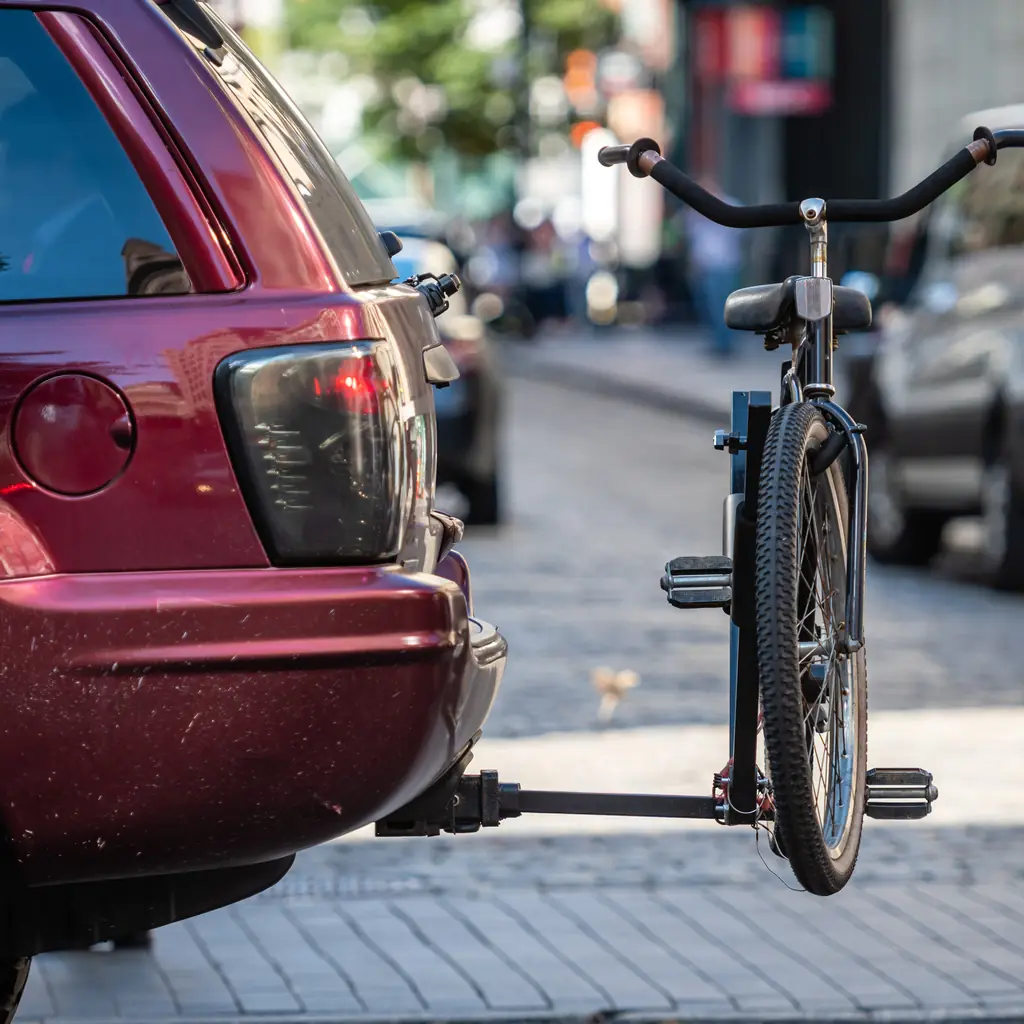
There is an easily missed exception: Subaru’s brochure says the foot-activation function is not operable with the accessory tow hitch. If that describes your vehicle, repeated kicking will not fix it. Use the appropriate button and plan your loading around the hardware actually installed.
Pack the cooler where you can reach it
A cooler is heavy, awkward to reach and likely to be opened at every stop. Place it first, then arrange softer bags around it while keeping the load secure and low.
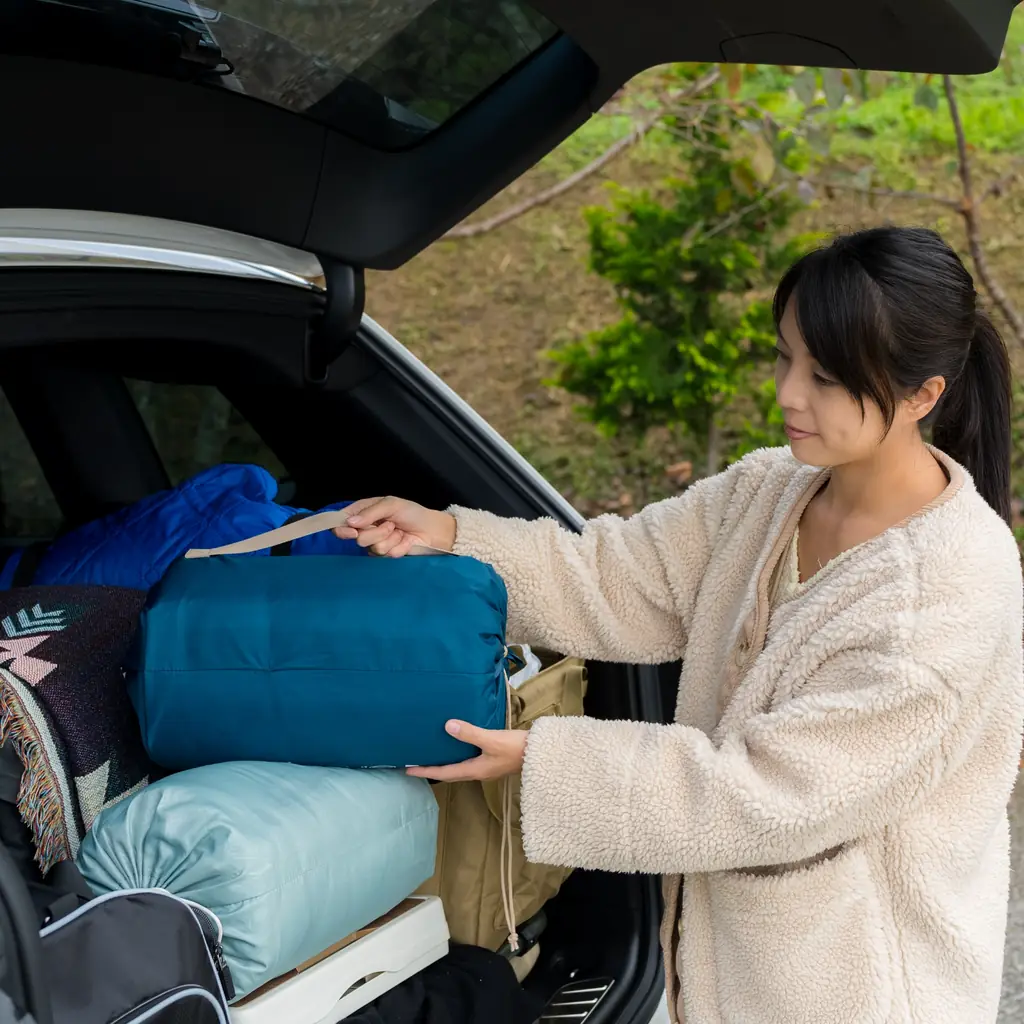
Try opening its lid with the gate at your normal height. A beautifully packed cargo area can still be inconvenient if the cooler must come out before anyone can get a drink. Leave the daypack reachable too; trailhead stops should not require dismantling the whole load.
Imagine a lunch stop in a small parking area. The cooler can stay secured in the car, but its lid needs room to open and the sandwich container should be near the top. Packing a heavy cooking kit above it makes the cooler a platform rather than usable storage. Swap that kit with something needed only at camp.
Put water needed during the drive in an appropriate secured place before departure; nobody should reach backward through the cargo area while moving. Then reserve the cooler for things collected at stops. Separating those two jobs can make a smaller, simpler loading arrangement work better than buying another organizer.
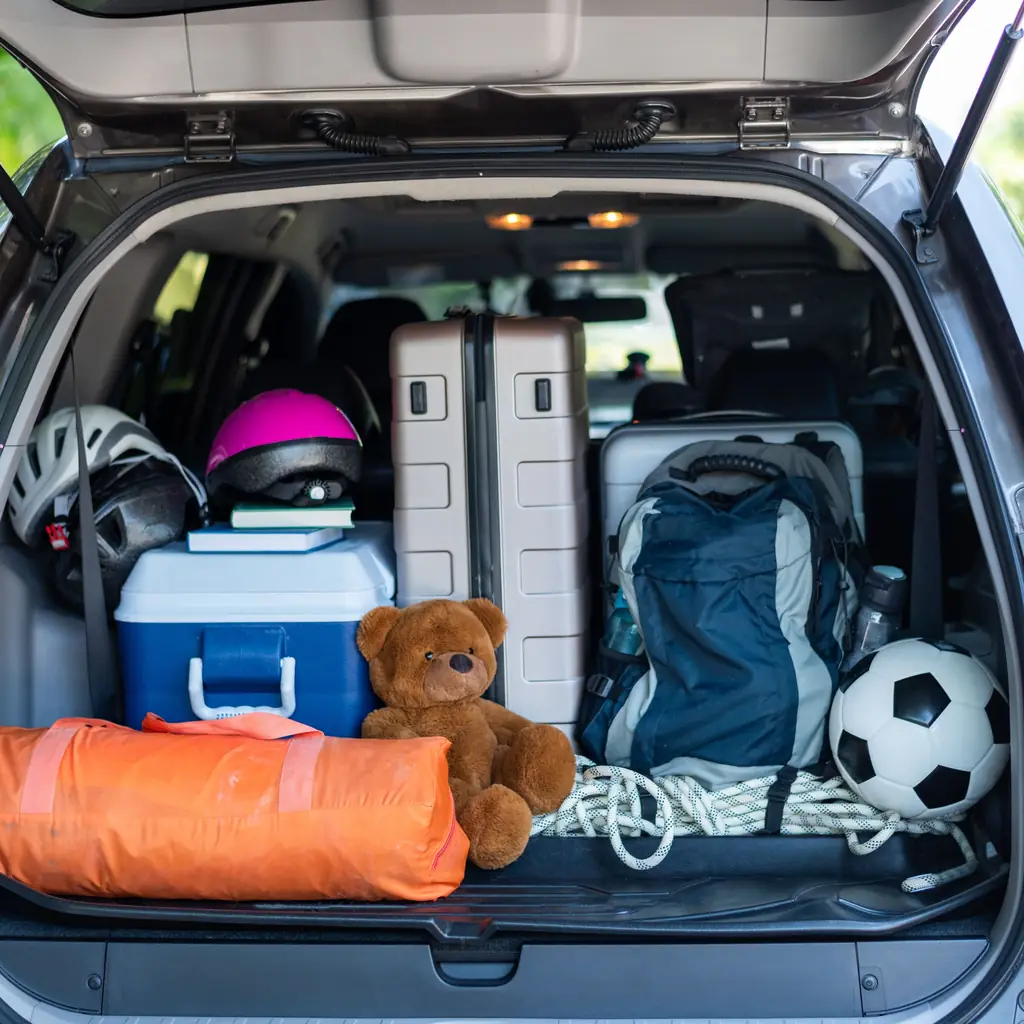
Use the Forester’s actual tie-down provisions and load limits. Do not treat a grocery hook as a heavy-cargo anchor. Before closing the gate, check that straps, handles and the cargo cover cannot catch in the latch or press against the glass.
Check roof-load limits for driving and parking
A parked roof-tent photo can hide the number that matters while driving. Dynamic capacity covers the moving vehicle; static capacity concerns an approved stationary load. Crossbars can impose a lower limit than the rails.
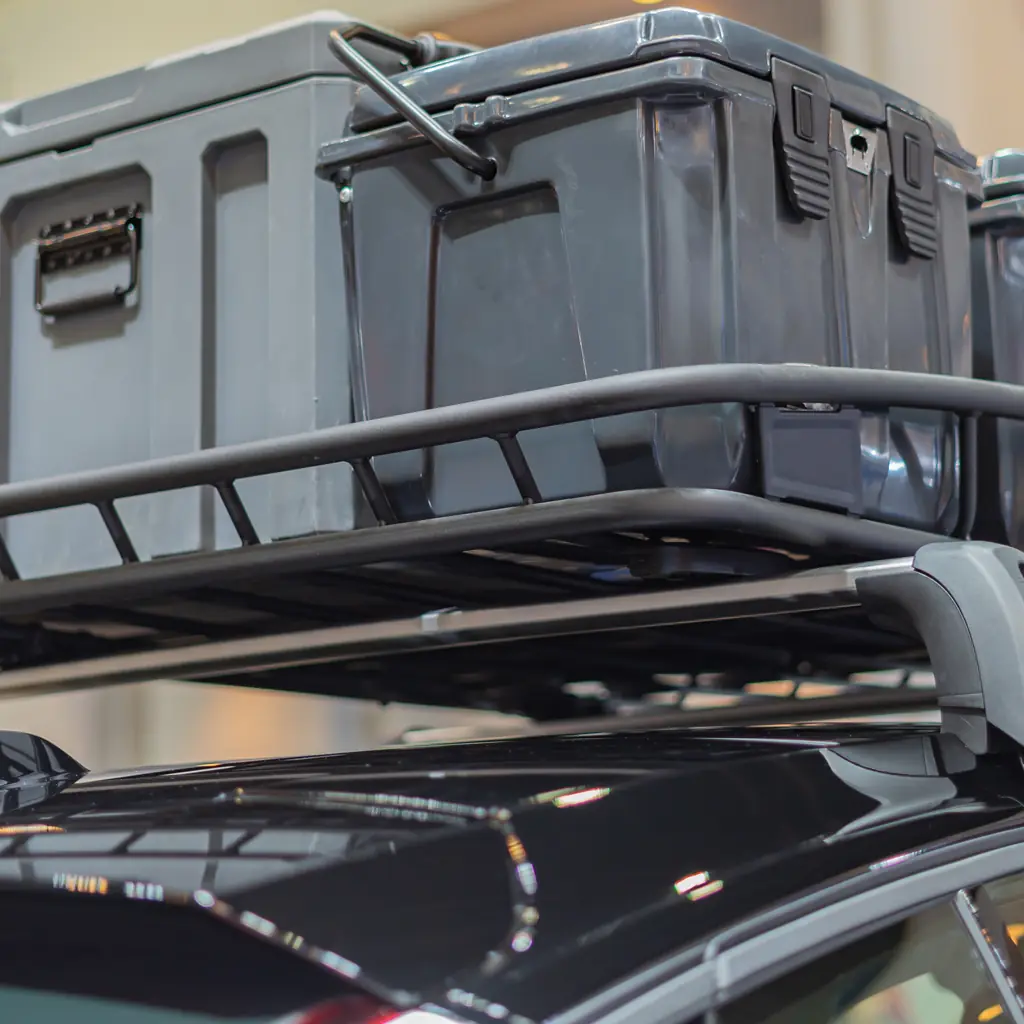
Subaru’s 2025 Forester Wilderness getting-started guide illustrates the distinction with 220 pounds for dynamic roof-rail loading and 800 pounds static, while listing 150 pounds for the specified crossbars. Those figures are not a universal allowance for every Forester, rack or tent.
Here is an illustrative calculation, using an assumed 150-pound applicable limit: a 20-pound carrier plus 15 pounds of added fittings plus 80 pounds of cargo totals 115 pounds. That leaves 35 pounds against that assumed limit, not 70. Every part carried by the relevant system belongs in the arithmetic.
Check the instructions for how each component’s rated limit is defined; do not subtract or add a part twice. Roof loading also contributes to the vehicle’s overall load. If the setup cannot be explained clearly with the actual component weights and applicable ratings, simplify it before taking it on the road.
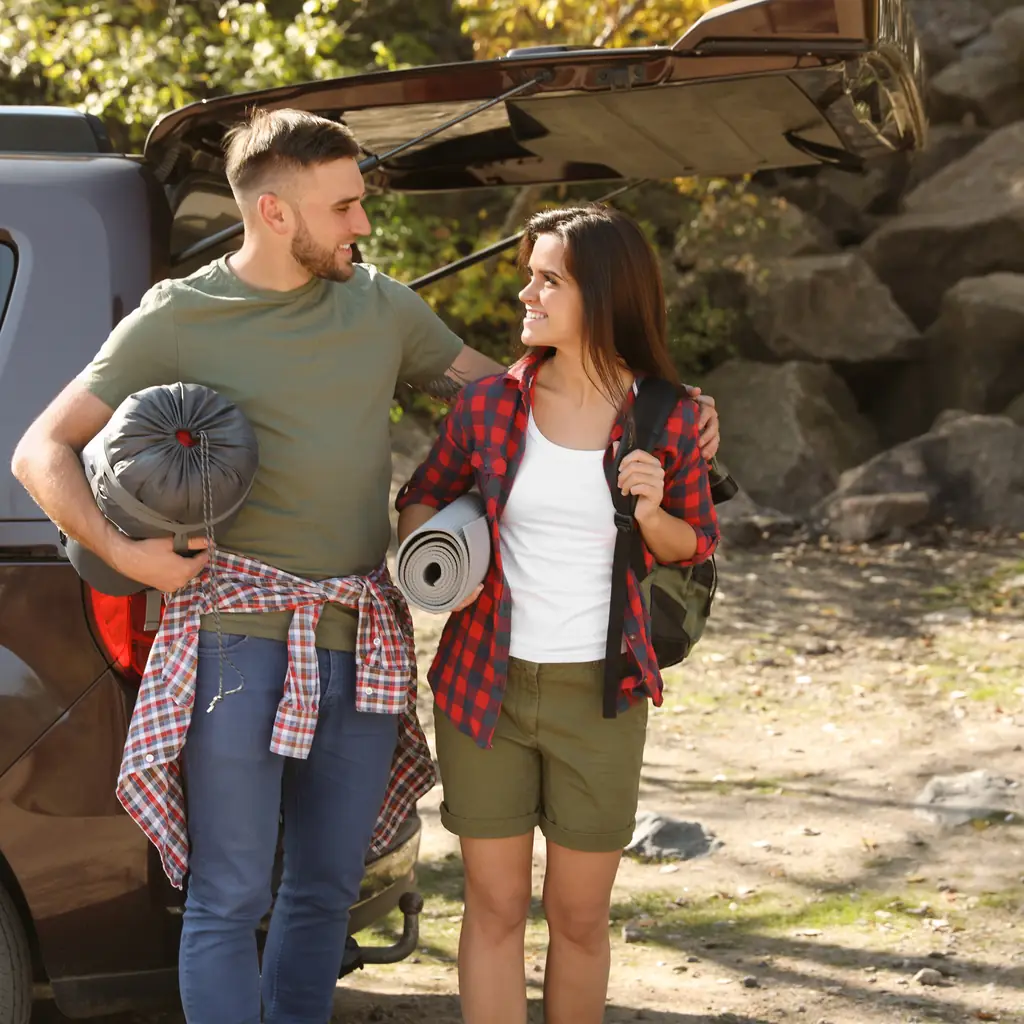
Add the rack, carrier and cargo weights, and follow the lowest applicable limit for the actual setup. The car-camping rehearsal may reveal that sleeping inside is simpler for your trip. A higher parked figure never authorizes the same load on the highway.
Set up phone navigation and audio
The 2025 Forester Premium, Sport, Limited and Touring include the 11.6-inch touchscreen with wireless Apple CarPlay and Android Auto. Pair your own phone while parked, then check which view you want at departure.
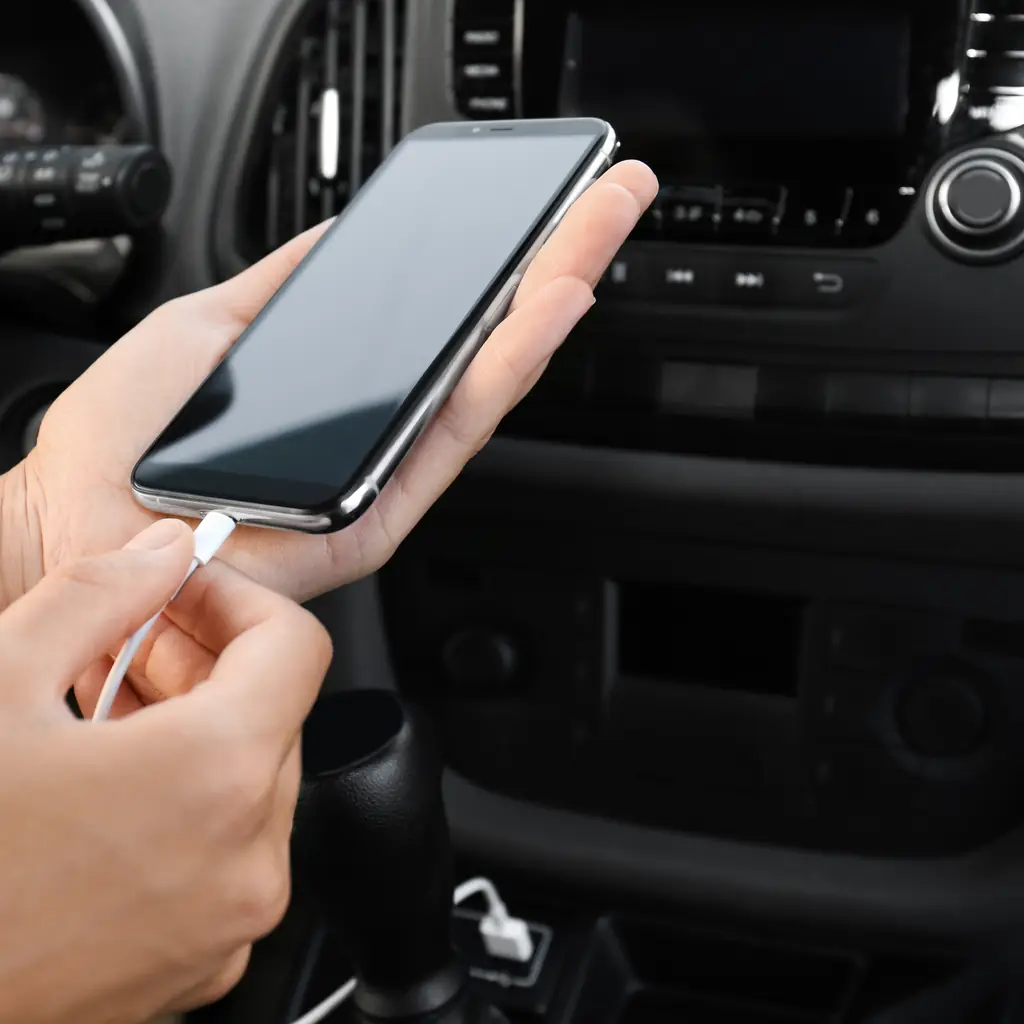
Test navigation audio with music playing and with a passenger’s phone nearby. Make sure the connection returns after a normal shutdown and restart. A single successful pairing in the driveway is not quite the same as a dependable routine.
Give both regular drivers a turn connecting their phones. If the car chooses the wrong one at departure, learn how to select the intended device while parked. A system that works for one person can become irritating when the passenger’s music or calls keep taking priority on a shared trip.
Make the navigation test include a spoken instruction, not just a map on the screen. Adjust the guidance audio using the appropriate controls for your system, and check that music does not hide the prompt. Save the route and destination information you need before leaving reliable service; a wireless connection to the car is not a cellular signal.
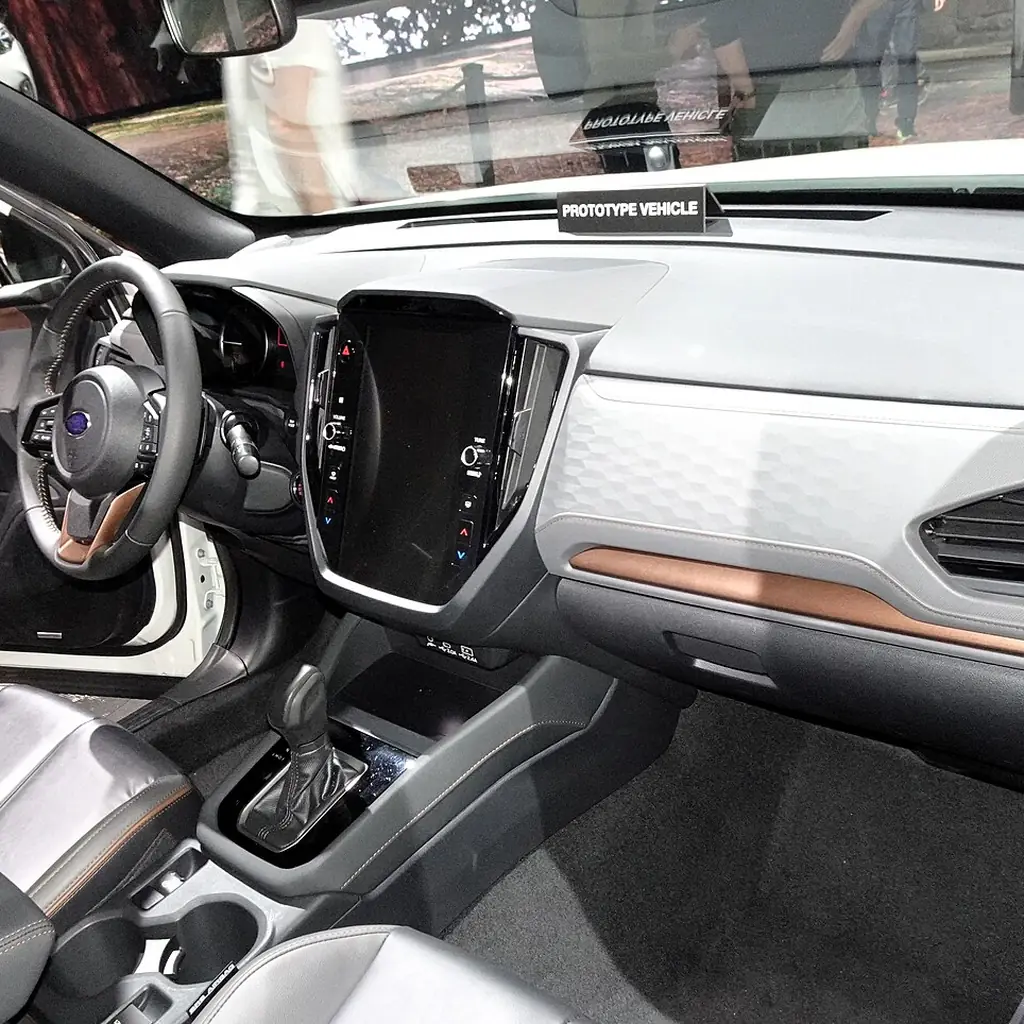
Our dashboard guide starts with the controls that matter when attention is scarce. Keep a working cable available, download route information for weak-signal areas and place the phone where it stays secure rather than using the screen setup as permission to handle it while driving.
Set up and test PIN-code entry
Some Foresters support PIN-code access through the rear-gate button, but availability and setup differ. Check the exact model’s instructions and complete a careful home test before relying on it for a walk or paddle.
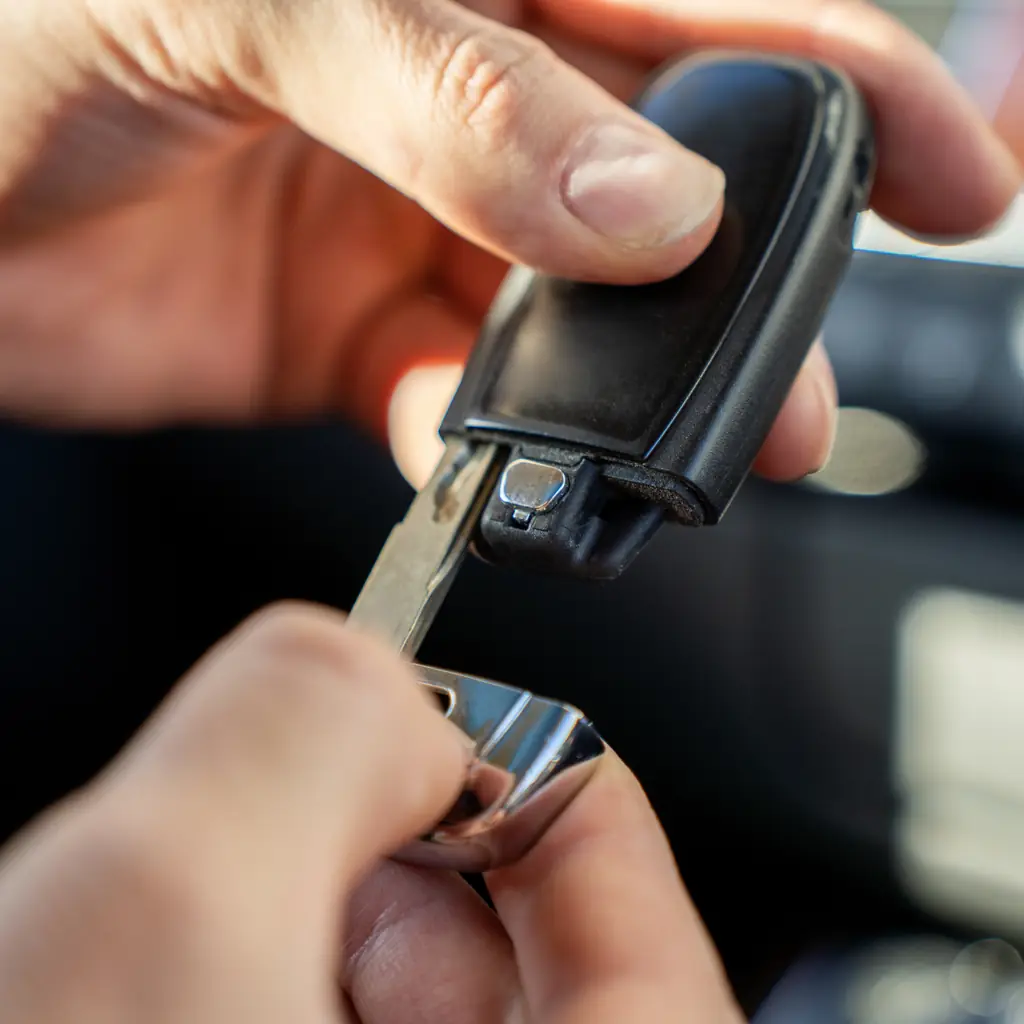
Keep a spare key available during setup. Verify locking and re-entry without leaving yourself dependent on a code you have only entered once. Understand any required keyless-access changes and avoid storing the code with the vehicle.
The trailhead is a poor place for the first full test. At home, have another person hold the spare outside the vehicle while you follow the exact locking and access instructions. Confirm the complete sequence, including the return to normal operation, before deciding that the feature belongs in your outdoor routine.
Think about the trip itself. Gloves, wet hands, darkness and fatigue can make a sequence less convenient than it seemed at lunchtime in the driveway. A key pouch that stays attached securely to your clothing may suit a short walk better. Choose the arrangement you can execute reliably, not the one with the cleverest name.
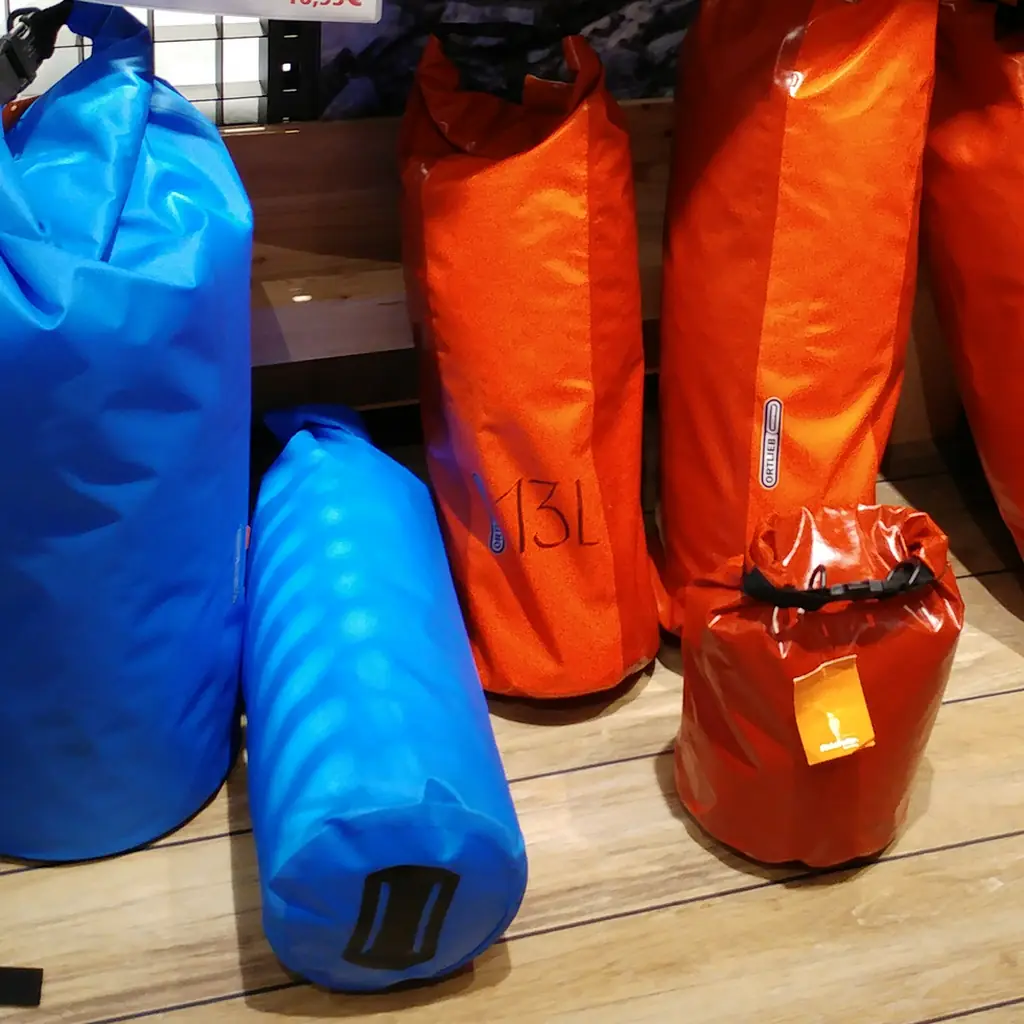
The Outback trailhead guide addresses a related Subaru feature, but the procedure should not be transferred blindly. A waterproof pouch and a reliable key-carrying plan may be the simpler choice. The useful outcome is dependable access when you return tired, wet or without phone reception.
Fold part of the rear seat for long gear
The Forester’s 60/40 split-folding rear seat lets you create a longer cargo area without folding the entire row. Decide which side needs to stay available before loading bulky equipment.
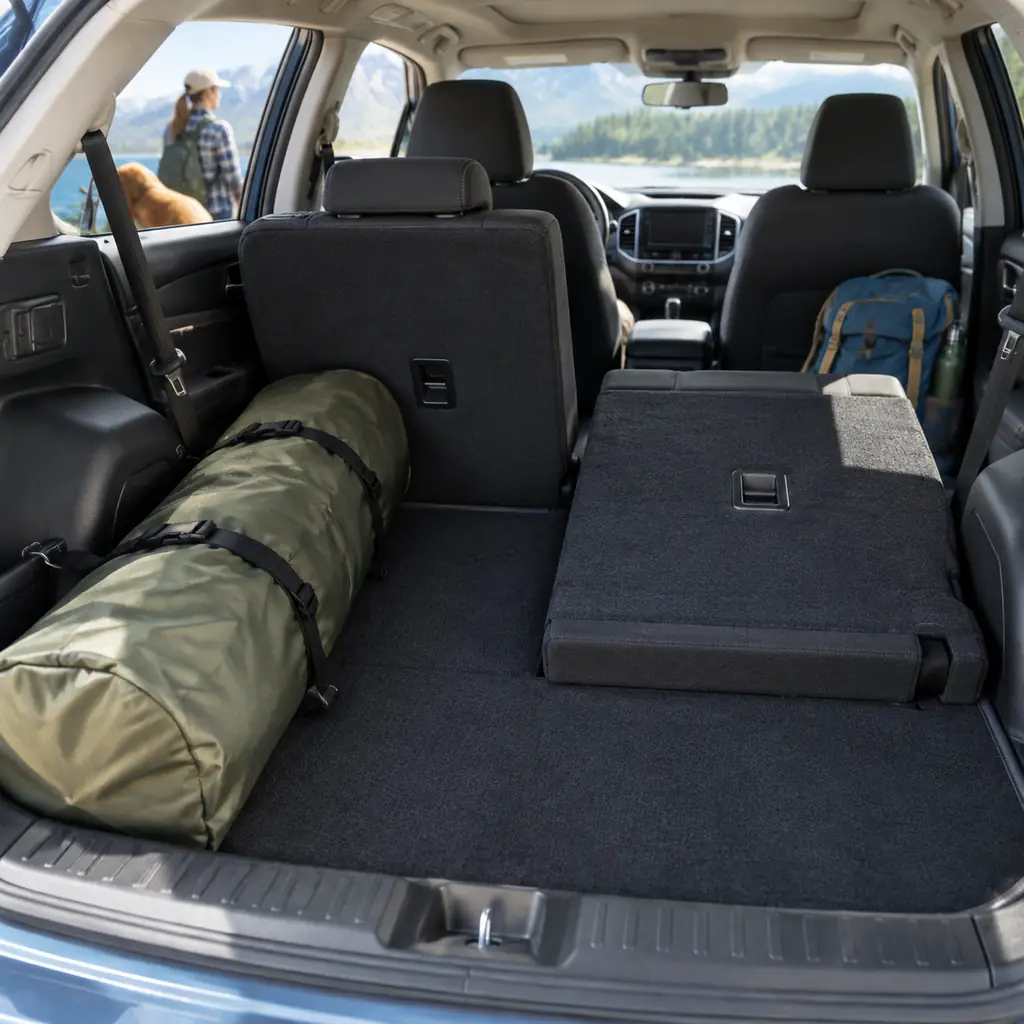
Keep the occupied seating position usable, with its belt and required child-restraint attachments unobstructed. Secure long items so they cannot slide forward or interfere with the driver. A folded seatback gives length; it does not secure a load.
Before loading a long item, mark out its intended space with something light, such as a rolled blanket. Seat the passenger beside it and check shoulder space, belt access and the route through the door. This rough rehearsal can reveal the conflict without first wrestling a hard, heavy object into the cabin.
If the long load needs to share the second row, check the restraint plan separately from the fit. A narrow object may slide through a gap even though it appears wedged in place. Use appropriate securement and protect the driver’s operating space; abandon that arrangement if the vehicle cannot carry the combination safely.
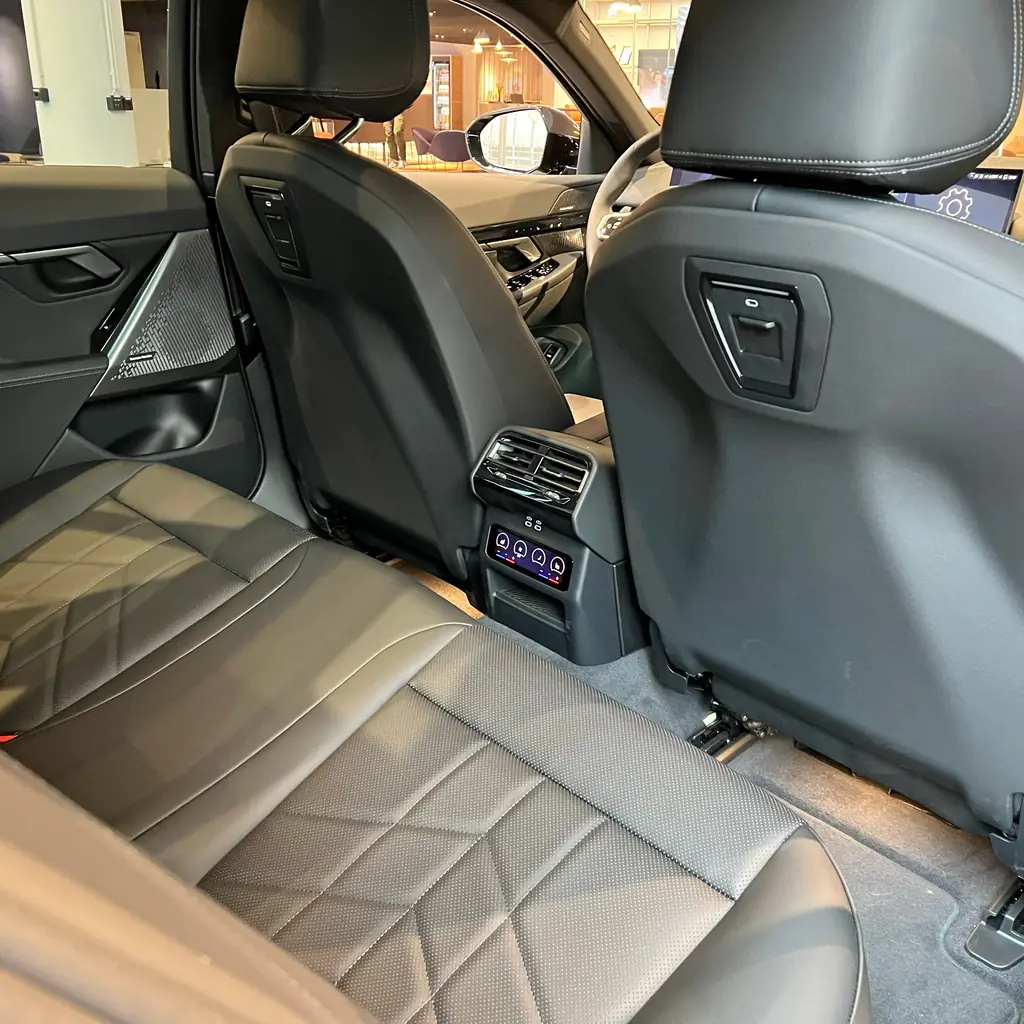
The RAV4 cargo guide explores another split-seat layout, and our family loading rehearsal starts with passenger fit. Use both ideas: seat the people first, then make the gear fit the remaining safe space instead of asking a passenger to accommodate the final oversized item.
Keep muddy gear separate from clean bags
Pack a washable container or bag for muddy shoes and damp layers. Put it where you can reach it at the trailhead without setting dirty gear on the seats.
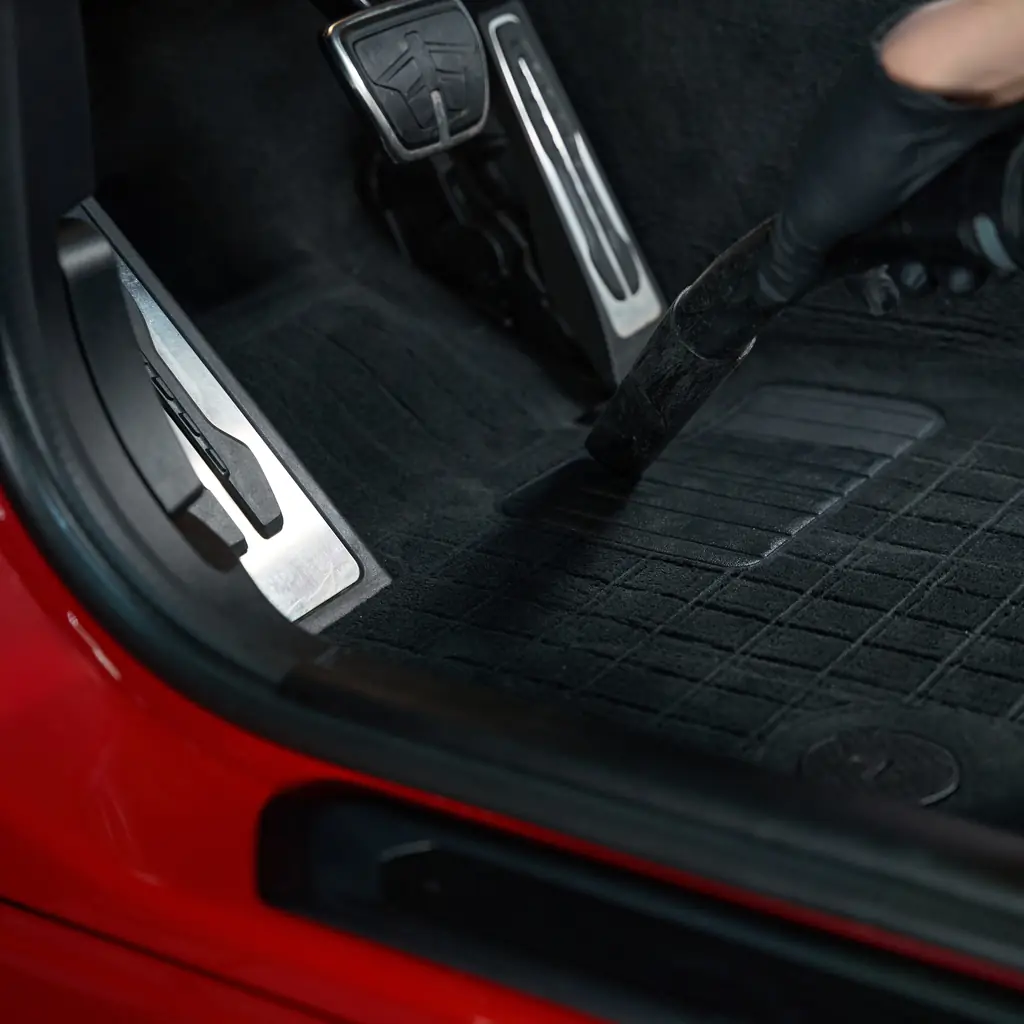
Dry items before leaving them stored for a long period. An easy-clean liner can protect the visible floor while moisture remains underneath, so lift it during the post-trip cleanup. Keep wet gear clear of electronics, vents and vehicle service compartments.
Make the dirty-gear container the last accessible piece when you arrive at the trailhead. That way the boots go straight into it on return, rather than onto the clean seat while someone digs for a bag. Keep a dry layer outside that container so changing clothes does not require opening the wet bundle.
The useful surprise comes at home: removing the visible mud is only half the job. Unload damp gear promptly and inspect beneath a removable liner once it is safe to do so. A clean-looking top surface can conceal trapped moisture, especially if a wet item has remained in the same corner throughout the drive.
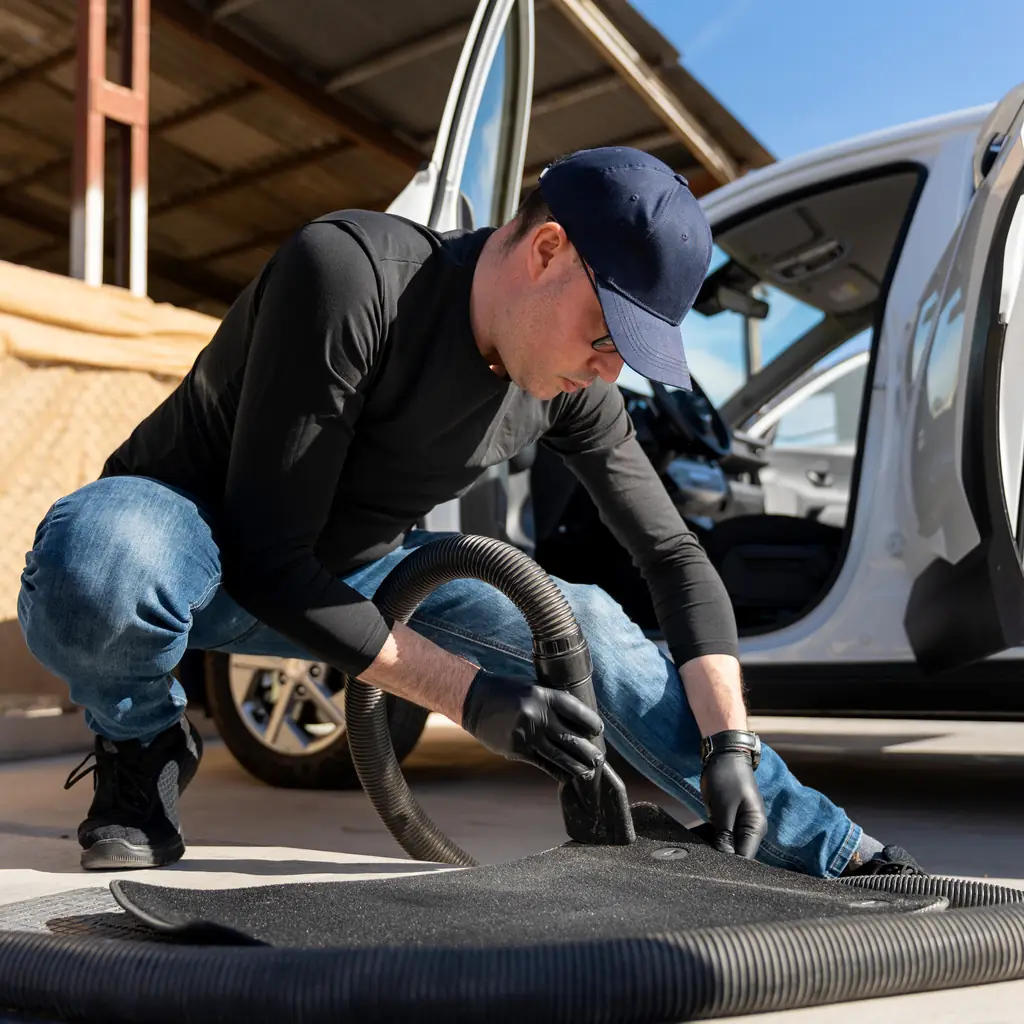
The Wrangler cleanup guide makes a useful distinction between washable parts and an entire cabin that can be sprayed indiscriminately. Your Forester does not need a complicated storage system to stay pleasant. It needs a deliberate place for the things that will come back less clean than they left.
Check that essential gear is easy to reach
Before departure, ask someone else to retrieve the flashlight, warm layer and emergency supplies. If they cannot find them without moving several heavy items, simplify the arrangement.
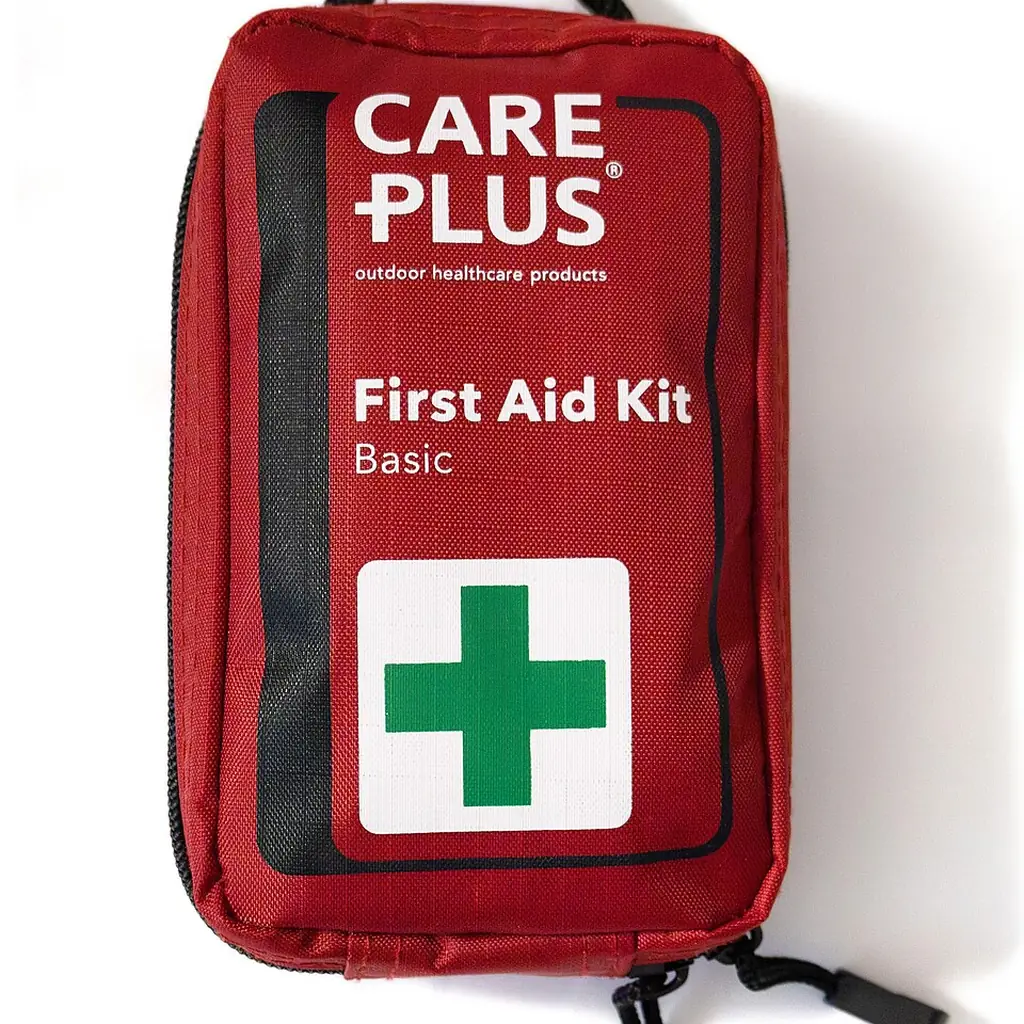
Check that the spare-tire equipment remains accessible and that the cargo floor can be lifted when required. Confirm how a fitted roof load changes overall height before approaching parking garages, branches or campsite facilities.
Ask for one item you do not expect to need, such as the spare-tire tools, with the car fully packed. You may discover that the cargo floor cannot open until the cooler and both large bags are removed. That is worth knowing before rain or roadside stress turns a simple retrieval into a much harder task.
Keep a short packing note after the first weekend: what was never used, what was difficult to reach and what needed a better container. Change those few things before buying more equipment. The most useful setup is usually shaped by the actual stops and passengers, not by filling every visible pocket in the cargo area.
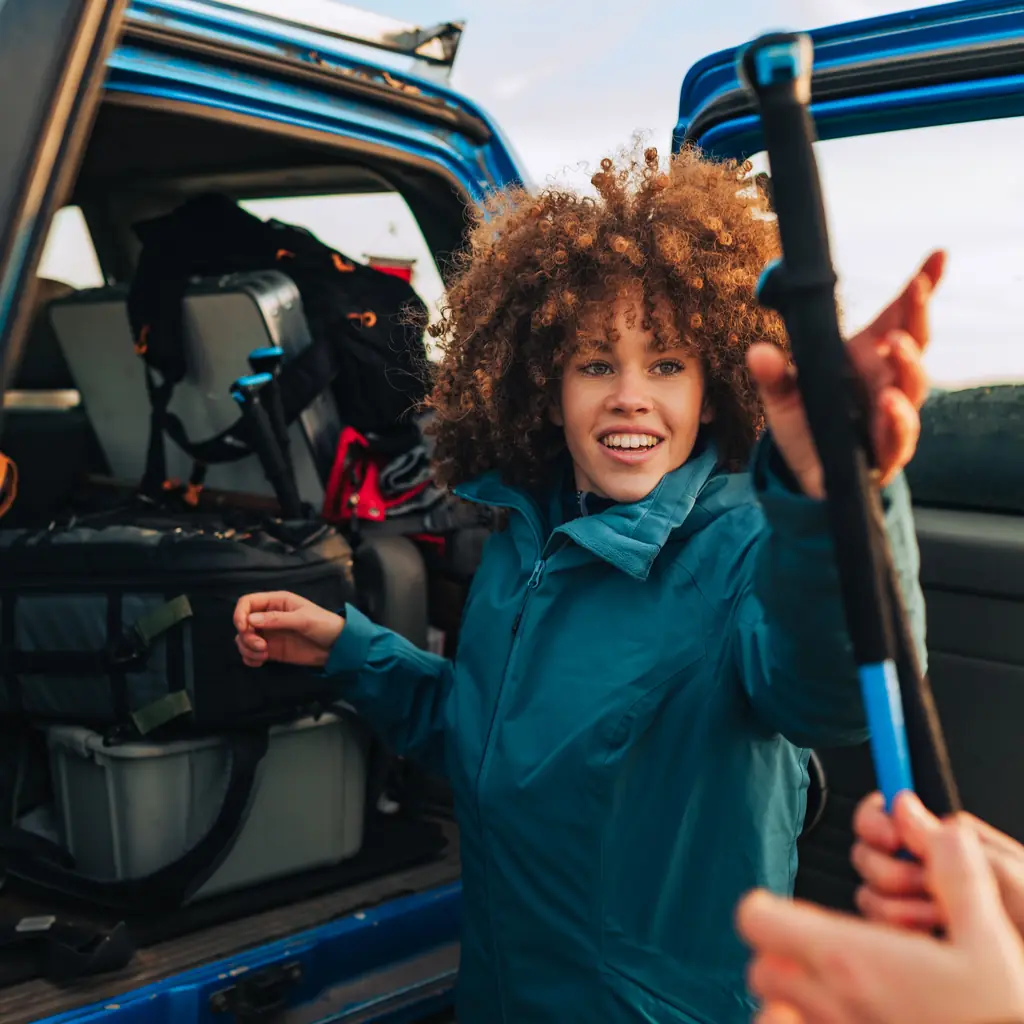
Then stop adding equipment simply because space remains. A weekend setup works when it lets you load, drive, stop and unload comfortably within the vehicle’s limits. The best discovery in the driveway may be the bulky accessory you realize you do not need to take at all.
Sources & photo credits
Sources & references Manuals and supporting information
Photo credits Photographers, sources and licences
Other photography
- Image 8: 2025 Subaru Forester Sport (United States) interior.jpg by Charles, CC BY 2.0. Cropped and resized.
- Image 10: Drybag.png by Martin071982, CC BY-SA 4.0. Cropped and resized.
- Image 15: First-aid travel kit 1.jpg by Renée Kools, CC BY 4.0. Cropped and resized.
Featured collage
- Subaru FORESTER S-Limited (DBA-SJ5) front.JPG by Tokumeigakarinoaoshima, CC0.
- Subaru Forester 2.0 e-BOXER (2021) (52173166881).jpg by Charles from Port Chester, New York, CC BY 2.0.