

Opinion
Editor’s note: These SUV judgments reflect our view of documented tradeoffs, not a reliability ranking. More
This opinion article uses public manufacturer specifications, government information and identified editorial tests. Equipment, model years and individual experiences vary. We have not recently tested these vehicles ourselves. Images are for illustration purposes only.
A popular SUV can be a good vehicle and still disappoint when its image promises something your chosen version does not deliver.
These are the specific model-year tradeoffs we would examine before buying, from modest towing limits to seats and hybrid systems that work best for particular households.
How we chose these entries
Editorial selection of recognizable U.S.-market SUV nameplates, not a sales ranking, reliability study or universal avoid list. Assessment uses exact model-year manufacturer specifications, EPA estimates and clearly attributed independent tests available by November 3, 2026. The criticism is a proposed mismatch between buyer expectations and documented capability; a counterpoint appears in every entry.
1. Ford Bronco: Trail hardware does not make it a big-trailer tow vehicle
Model-year scope: 2025, non-Raptor
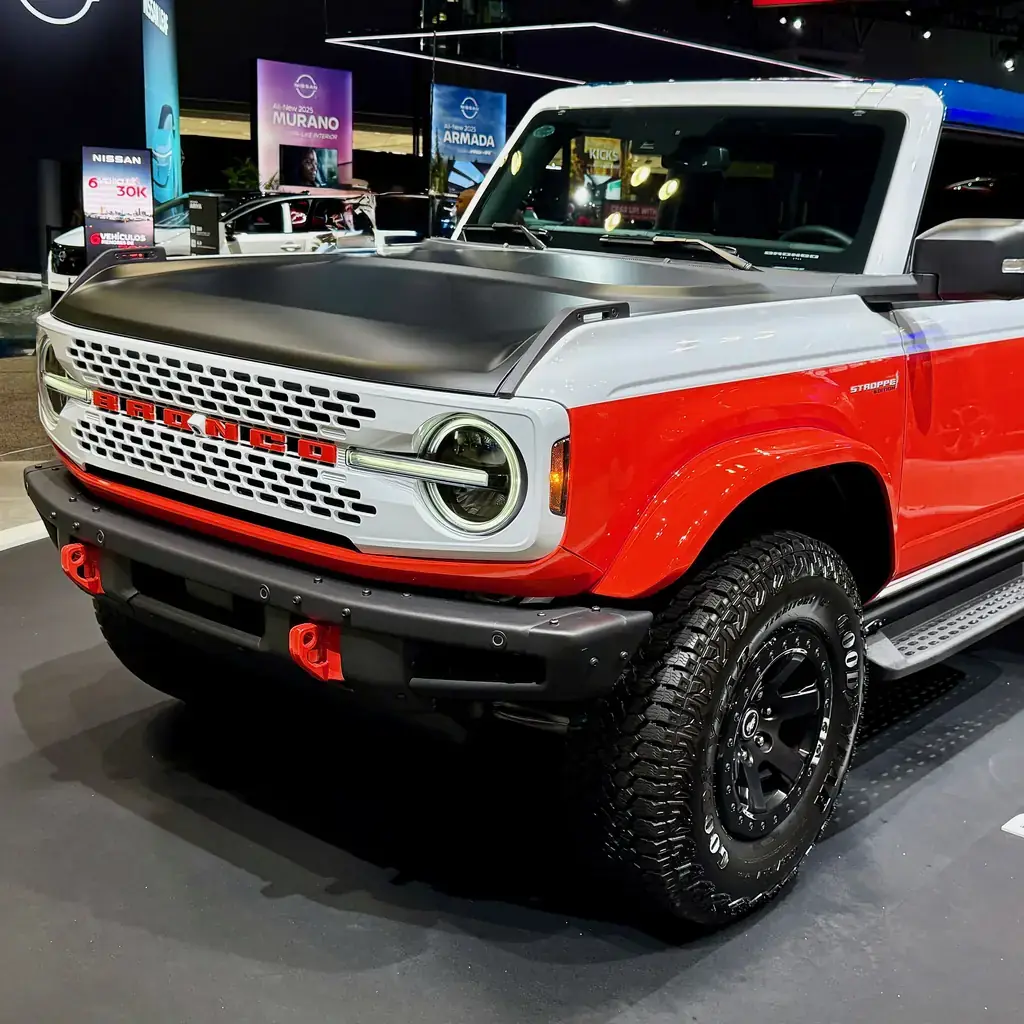
The Bronco looks ready to pull the whole campsite behind it. Its removable body panels and genuine off-road equipment make that impression understandable, but recreational towing needs a separate calculation.
Ford’s 2025 towing chart generally caps non-Raptor models at 3,500 pounds, with certain configurations slightly lower. The Raptor reaches 4,500 pounds when properly equipped. Buying a larger engine or an aggressive-looking package does not automatically remove that limit.
For a small, suitably loaded trailer, that may be enough. If a travel trailer is central to the purchase, price and configure the tow vehicle around its actual loaded weight before falling for the Bronco’s appearance.
Sources and context
2. Jeep Wrangler 4xe: The hybrid badge needs a charging routine
Model-year scope: 2025

The Wrangler 4xe offers a tempting combination of familiar trail capability and plug-in power. That combination makes more sense for someone who can recharge regularly than for someone expecting ordinary hybrid economy on every long trip.
The 2025 model’s EPA electric range is 21 miles, and Jeep lists 20 mpg combined for gasoline operation. The large MPGe number describes a different energy calculation, so it should not be read as gasoline miles per gallon.
Its low-range hardware remains meaningful for the right owner, but check the vehicle’s VIN for open recalls before planning a charging routine. NHTSA’s battery-fire recall guidance covers certain 2020–2025 Wrangler plug-in hybrids; follow any applicable charging and parking restrictions until the prescribed remedy is completed.
3. Toyota 4Runner Hybrid: More power does not include more seats
Model-year scope: 2025
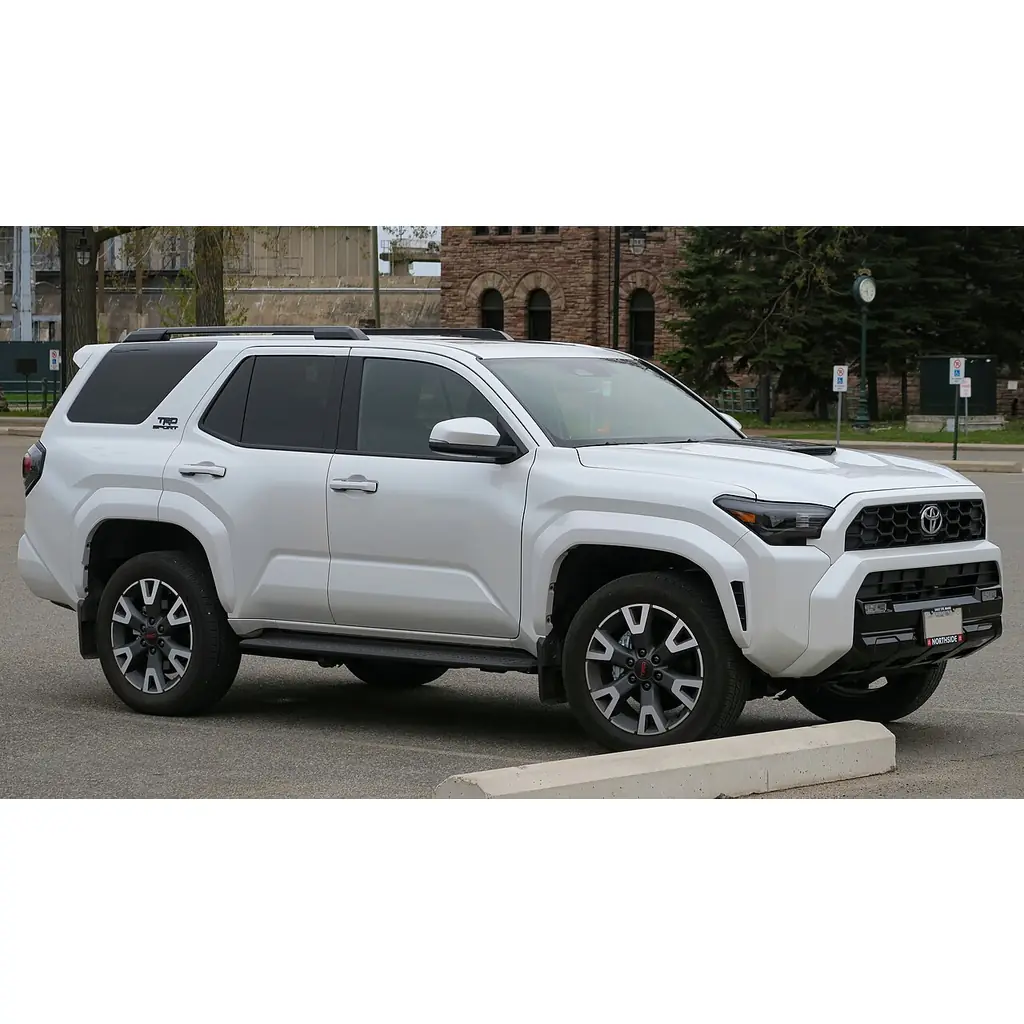
The redesigned 4Runner’s hybrid is easy to view as the version that does everything. Toyota gives the i-FORCE MAX powertrain up to 326 horsepower and 465 pound-feet of torque, a substantial part of its appeal.
There is a family-use catch: the 2025 hybrid does not offer the optional third row available in certain nonhybrid versions. AAA’s review also identifies that restriction. Choosing the most sophisticated powertrain can therefore remove a feature a growing family expected.
Five-seat buyers may happily accept that trade. Anyone shopping for occasional extra passengers should check the actual seating configuration first, rather than assuming the expensive trim contains every option.
4. Toyota Highlander Hybrid: The third row consumes the luggage room
Model-year scope: 2025
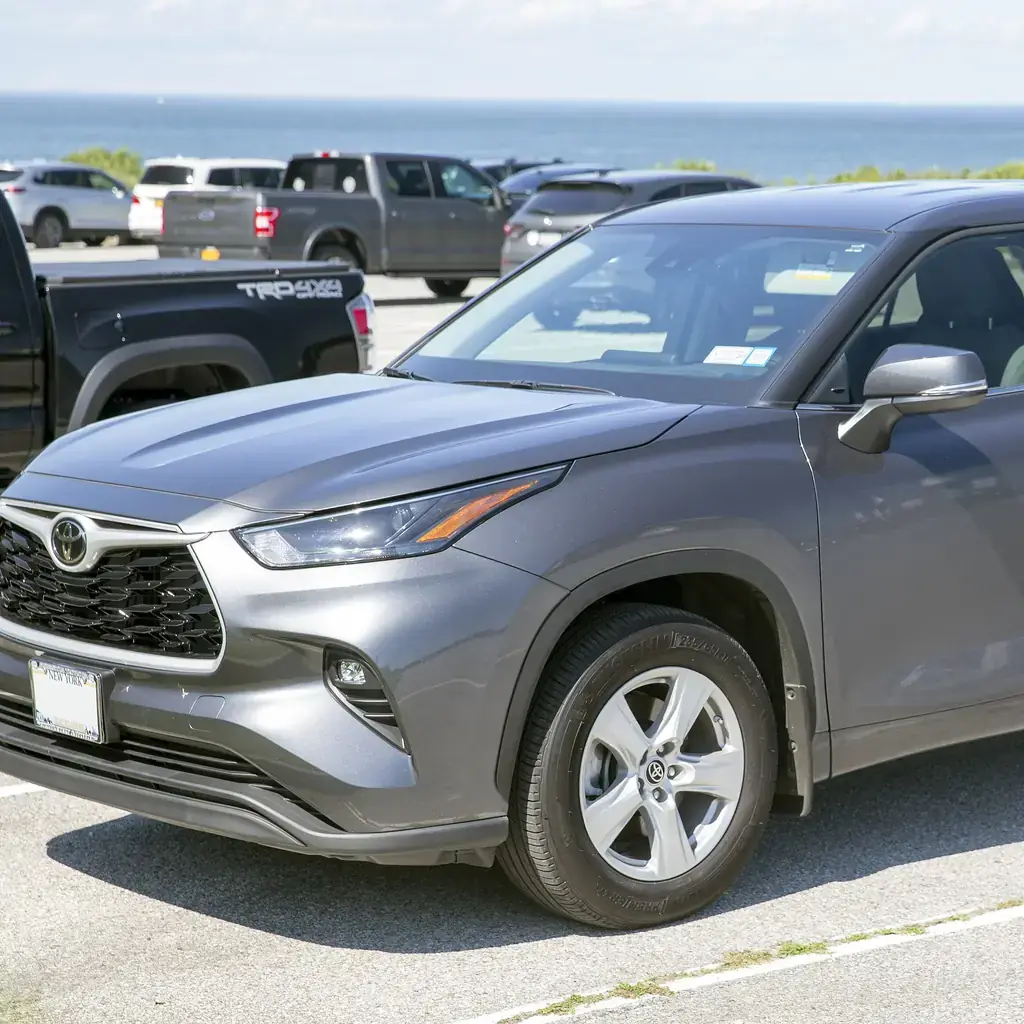
The Highlander Hybrid promises a familiar family-SUV formula: three rows, available space for a larger group and an electrified powertrain. The issue is how much of that versatility you can use at the same time.
Toyota lists 16.0 cubic feet of cargo room behind the third row for 2025. Folding that row raises the figure to 48.4 cubic feet, but it also removes the seats that helped justify choosing a three-row SUV.
That is a reasonable arrangement for a household that only occasionally needs the back row. For regular trips with every seat occupied, take the actual stroller and luggage along before assuming the badge guarantees enough room.
Sources and context
5. Honda CR-V Hybrid: The practical choice still drops a spare tire
Model-year scope: 2025

The CR-V Hybrid has strong appeal as an uncomplicated everyday family purchase. Before treating it as the automatic upgrade over the gasoline model, look at the roadside equipment and the trailer you might occasionally pull.
Honda specifies a tire-repair kit for 2025 hybrid trims, where the gasoline versions include a spare. Maximum towing is also lower: 1,000 pounds for the hybrid compared with 1,500 pounds for the gasoline model.
Neither difference makes the hybrid a poor commuter. They do matter if trips regularly take you far from tire service or involve a loaded trailer. The sensible powertrain is the one whose equipment matches those less frequent, inconvenient days too.
Sources and context
6. Toyota RAV4 Plug-in Hybrid: The strongest version is not every buyer’s best fit
Model-year scope: 2025
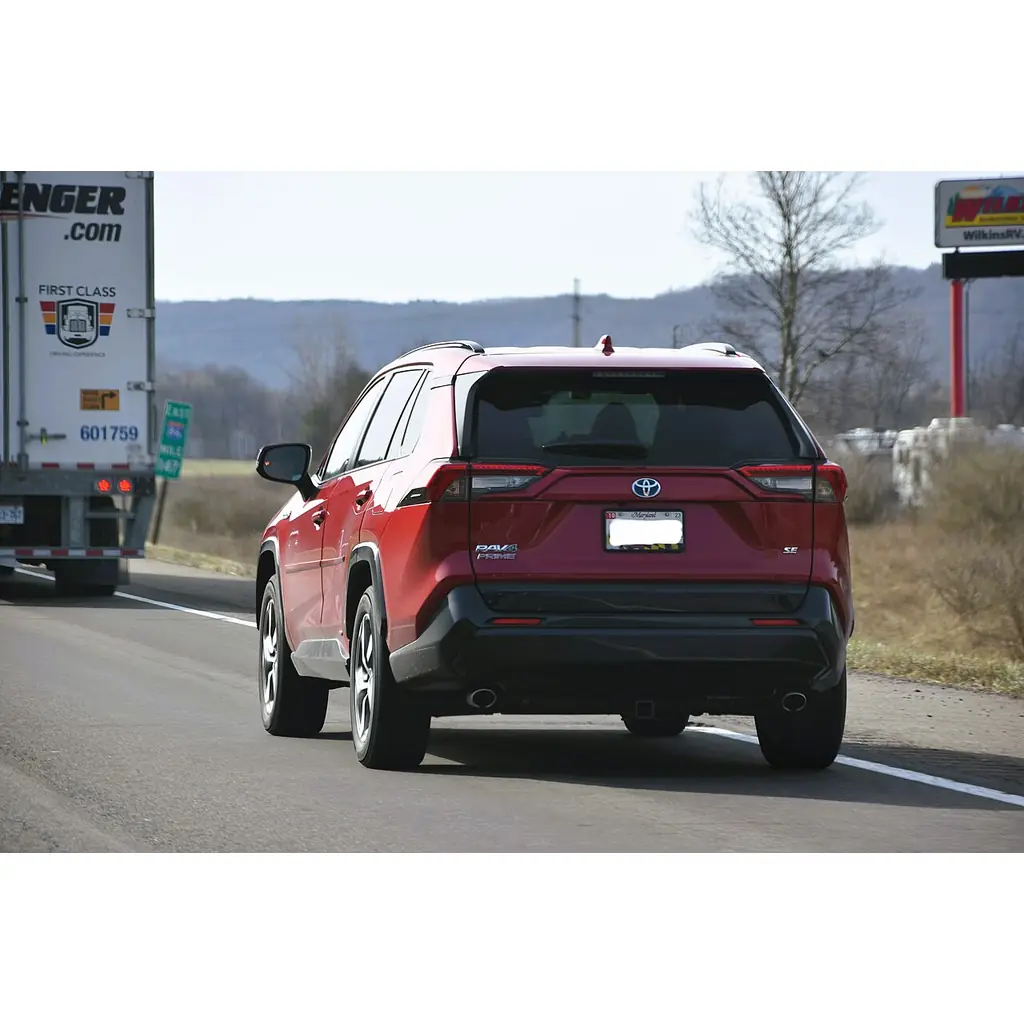
The 2025 RAV4 Plug-in Hybrid offers an unusually appealing specification: 302 combined horsepower and an EPA-estimated 42 miles of electric range. It is easy to let that combination settle the powertrain decision before considering how the vehicle will actually be used.
The electric advantage depends on replenishing that range. A driver without dependable charging cannot expect the same pattern of electric commuting as someone who plugs in each night, even though both own the same vehicle.
For a suitable commute it can be an excellent match. For frequent long journeys or awkward charging access, compare the regular hybrid too. This judgment concerns the 2025 model, before the redesigned 2026 RAV4.
7. Subaru Forester: Adventure appeal has a modest towing ceiling
Model-year scope: 2025, new-generation non-Wilderness trims
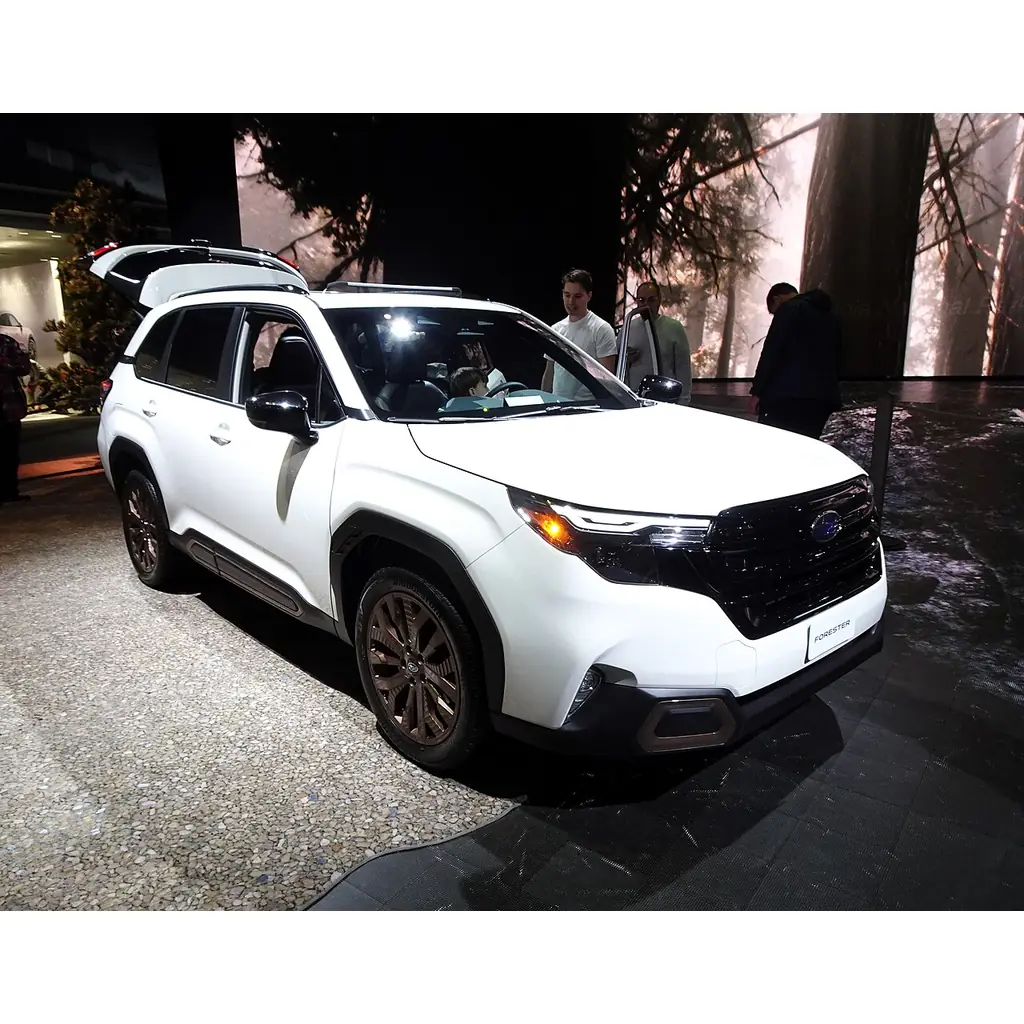
Standard all-wheel drive makes the Forester an understandable choice for buyers who picture weekends away. That does not mean its camping usefulness extends to any small travel trailer or equipment trailer that fits behind it.
Subaru rates the new-generation 2025 Forester trims at 1,500 pounds of towing capacity. The separately listed 2024 Forester Wilderness is a different specification, so its capability should not be carried over to a 2025 Premium or Touring listing.
For bicycles, luggage and the right lightweight trailer, the package may work well. Our Forester feature guide helps with the useful equipment, but a buyer still needs to calculate the towing requirement separately.
Sources and context
8. Subaru Outback Wilderness: Trail equipment brings a fuel penalty
Model-year scope: 2025
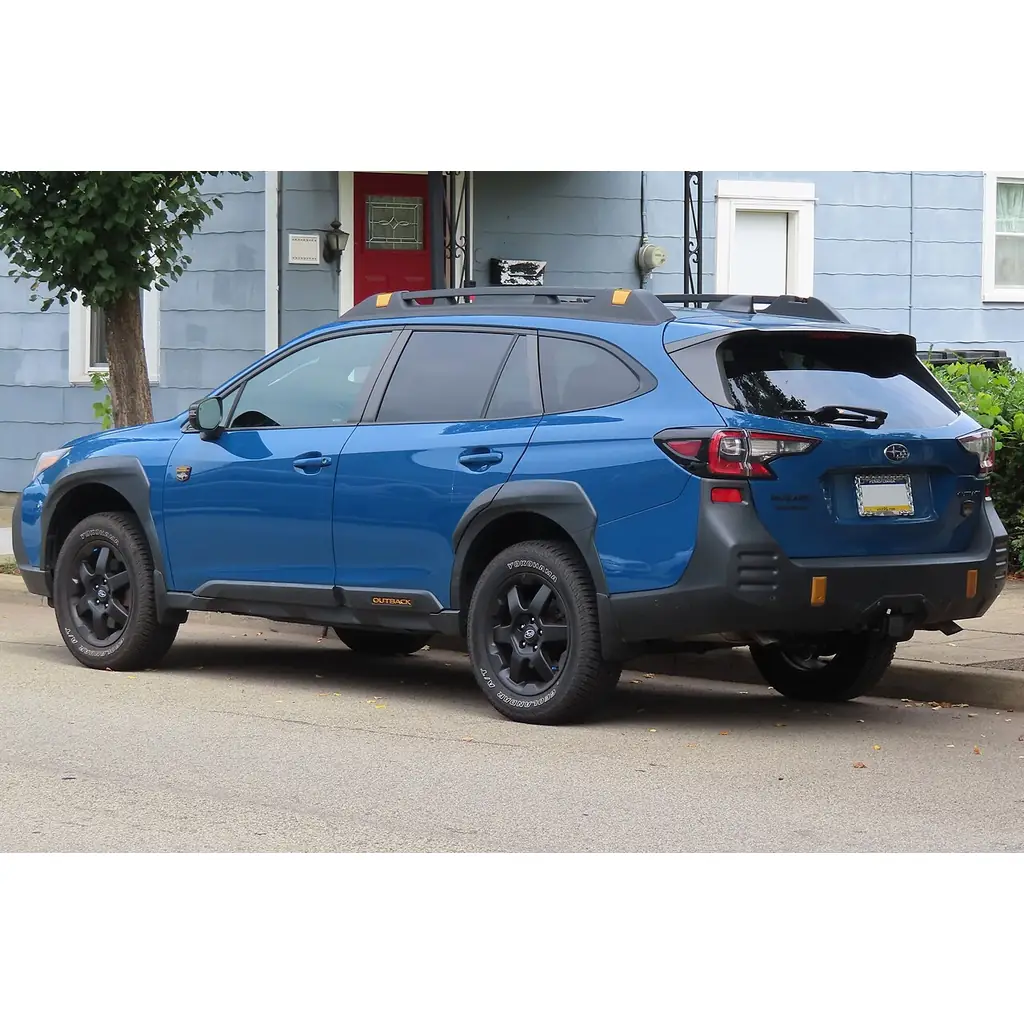
The Outback Wilderness makes its case with more than cosmetic cladding. Its off-road-oriented setup and turbocharged engine appeal to buyers who regularly travel beyond smooth pavement, and that capability can be worth paying for.
The everyday compromise appears in Subaru’s fuel figures. The 2025 Wilderness is rated at 23 mpg combined, compared with 25 mpg for other turbo XT versions and 28 mpg for the 2.5-liter models. Those are EPA estimates, not a prediction for every owner.
If most miles are routine highway travel, decide how often the extra equipment will earn its keep. Our Outback features guide covers practical details that may matter more on an ordinary weekend.
Sources and context
9. Mazda CX-90 PHEV: The plug-in choice gives up towing capacity
Model-year scope: 2025
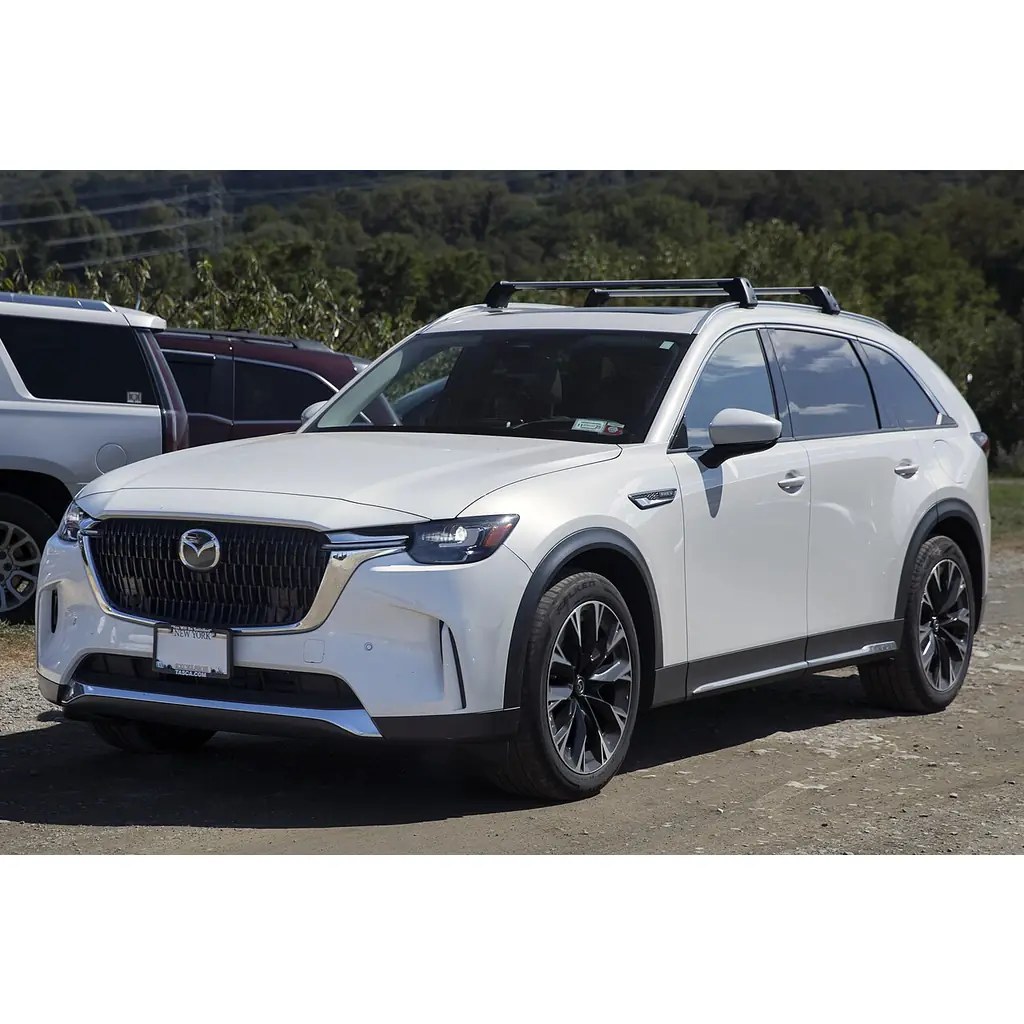
The CX-90 PHEV looks like a way to combine a substantial three-row SUV with electric weekday driving. Mazda gives it up to 26 miles of electric range, which may suit a short daily route with charging at home.
It is not the strongest CX-90 for every family job. The PHEV’s maximum towing capacity is 3,500 pounds with the required Mazda accessories, while certain inline-six versions reach 5,000 pounds when properly equipped.
A small trailer may never expose the difference. Compare the specific powertrains before assuming the plug-in offers the greatest capability. Our Pilot seating and cargo guide covers another set of family-use checks worth considering alongside the tow rating.
10. Mitsubishi Outlander PHEV: Seven seats need a realistic definition
Model-year scope: 2025
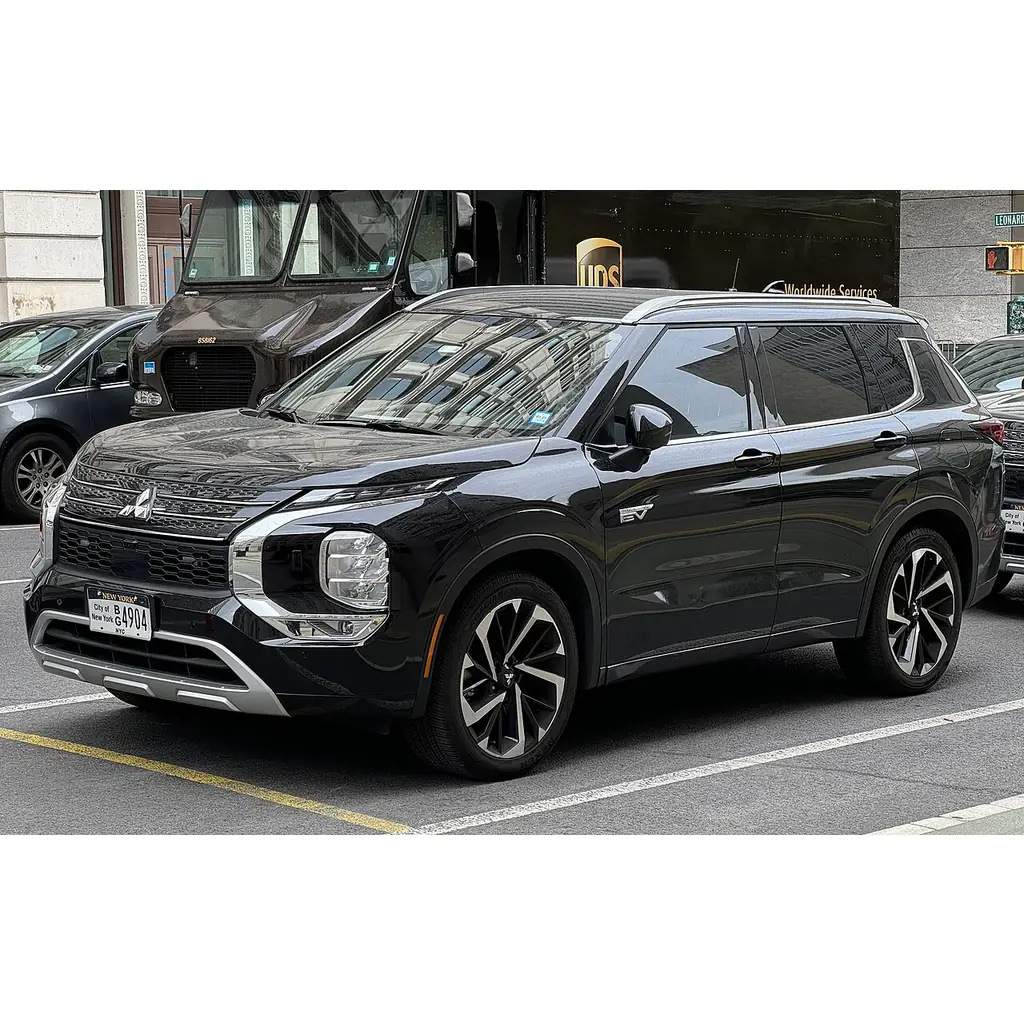
The Outlander PHEV stands out because a compact plug-in SUV with an extra row sounds versatile. The attraction is real for buyers who need a pair of occasional seats without choosing a much larger vehicle.
Kelley Blue Book’s 2025 review describes that third row as too tight for adults, while noting that it can help with occasional extra children. That is the publication’s fit assessment, not a claim that every passenger will find it unusable.
Treat it as flexible backup seating rather than an automatic substitute for a roomy three-row family vehicle. Have the intended passengers try the back row before building a holiday plan around the advertised seating count.
Sources and context
11. Ford Escape Plug-in Hybrid: Charging and AWD are separate choices
Model-year scope: 2025
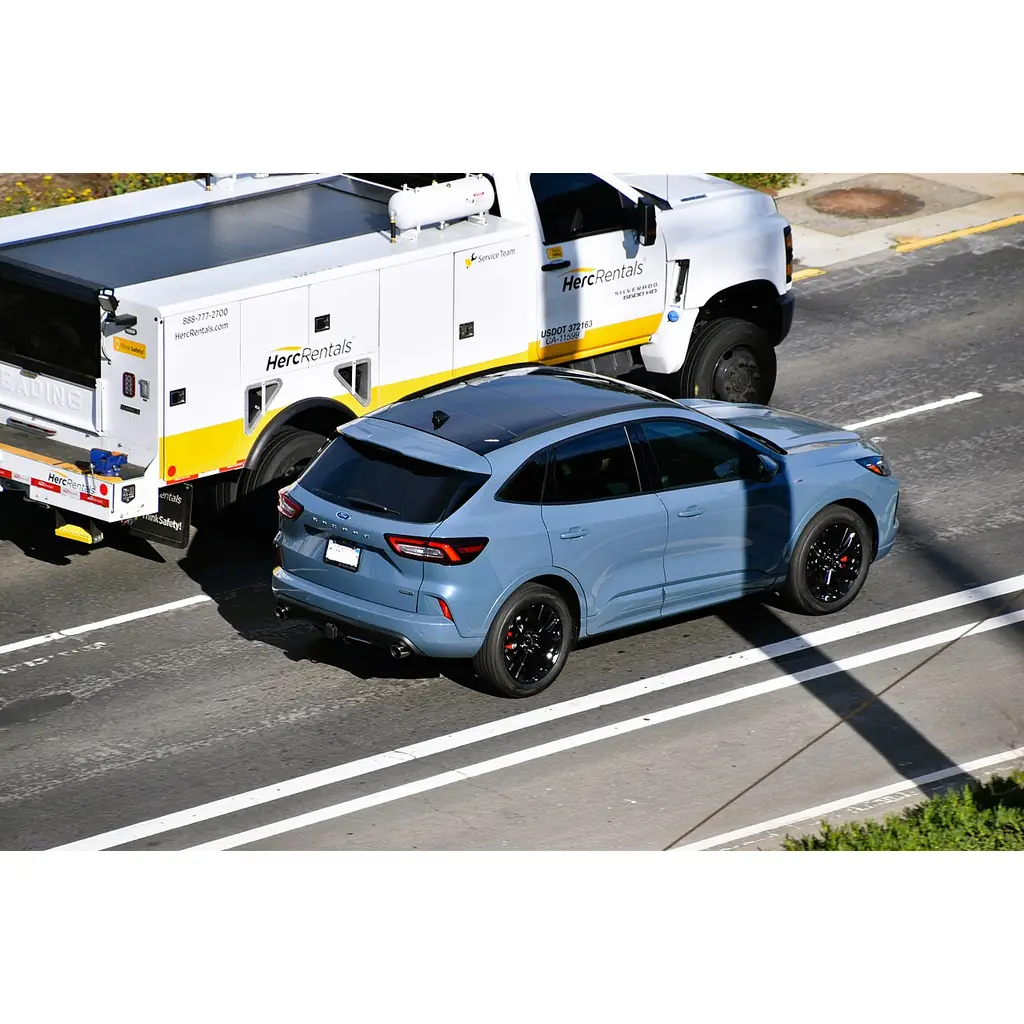
The Escape Plug-in Hybrid looks like a natural answer for someone wanting electric commuting in a compact SUV. Buyers in snowy regions may assume they can combine that powertrain with the all-wheel drive offered elsewhere in the Escape range.
Ford’s 2025 specifications list the plug-in as front-wheel drive only. The conventional hybrid can be configured with all-wheel drive, so moving to the plug-in is not simply adding a charging socket to the same drivetrain choice.
Front-wheel drive may fit your needs perfectly. If AWD is a firm requirement, resolve that before negotiating the plug-in. The conventional hybrid may be the more suitable Escape, even if electric-only commuting initially sounded attractive.
Sources and context
12. Honda HR-V Sport: The badge does not bring extra engine power
Model-year scope: 2025
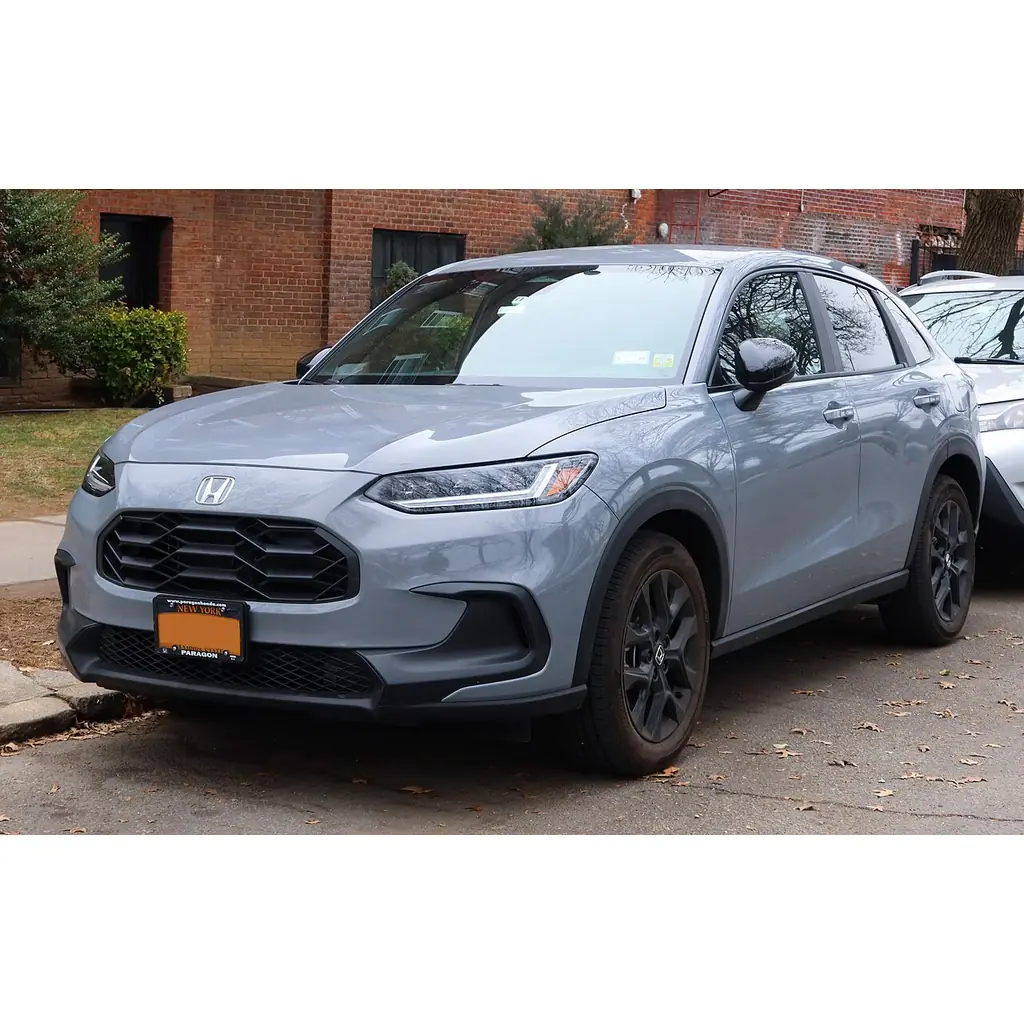
The HR-V Sport gives Honda’s small SUV a more assertive appearance. That makes it a reasonable style preference, but the name can suggest a performance upgrade that the U.S. engine specifications do not deliver.
All 2025 HR-V trims use the same 158-horsepower 2.0-liter engine. For context, Car and Driver’s instrumented test of a 2023 AWD example from this generation recorded 9.4 seconds to 60 mph; that is not a fresh test of the 2025 Sport.
Choose it for its equipment and looks if they suit you, then judge acceleration on a test drive. Our older Honda practicality guide reflects the more everyday strengths that can make a Honda worth buying.
13. Toyota Corolla Cross: An SUV shape does not guarantee a roomy back seat
Model-year scope: 2024
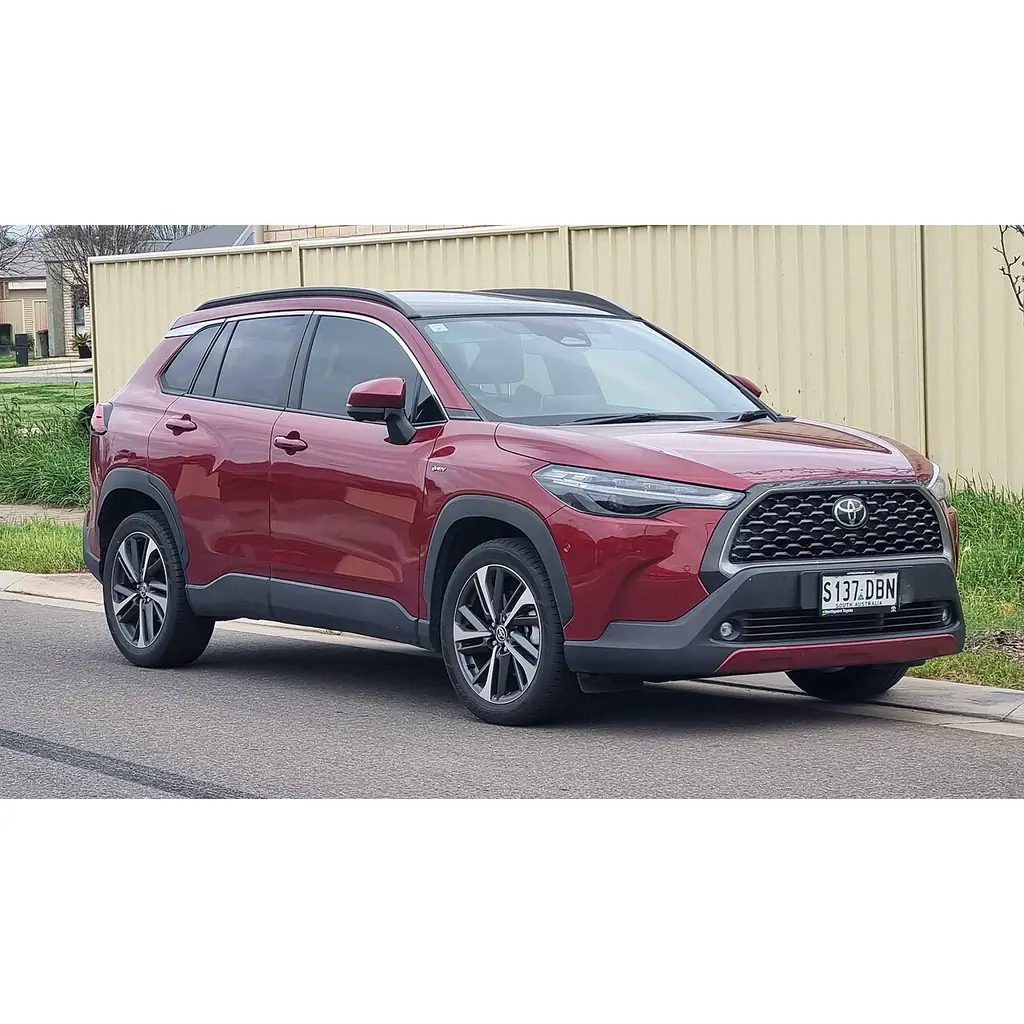
The Corolla Cross offers a familiar name in a taller, more useful-looking body. Its compact footprint can be an advantage for parking, but a family moving from a small car should not assume the rear-seat problem has automatically disappeared.
Toyota’s U.S. 2024 brochure lists 32.0 inches of rear legroom across the displayed gasoline and hybrid trims. That number does not settle comfort by itself, but it makes a real rear-seat and child-seat fitting exercise worthwhile.
The compact size is part of the appeal for a smaller household. Our Toyota settings guide helps with ownership details; the space your passengers need still has to be checked in person.
Sources and context
14. Kia Sorento PHEV: Three occupied rows leave little room for bags
Model-year scope: 2025
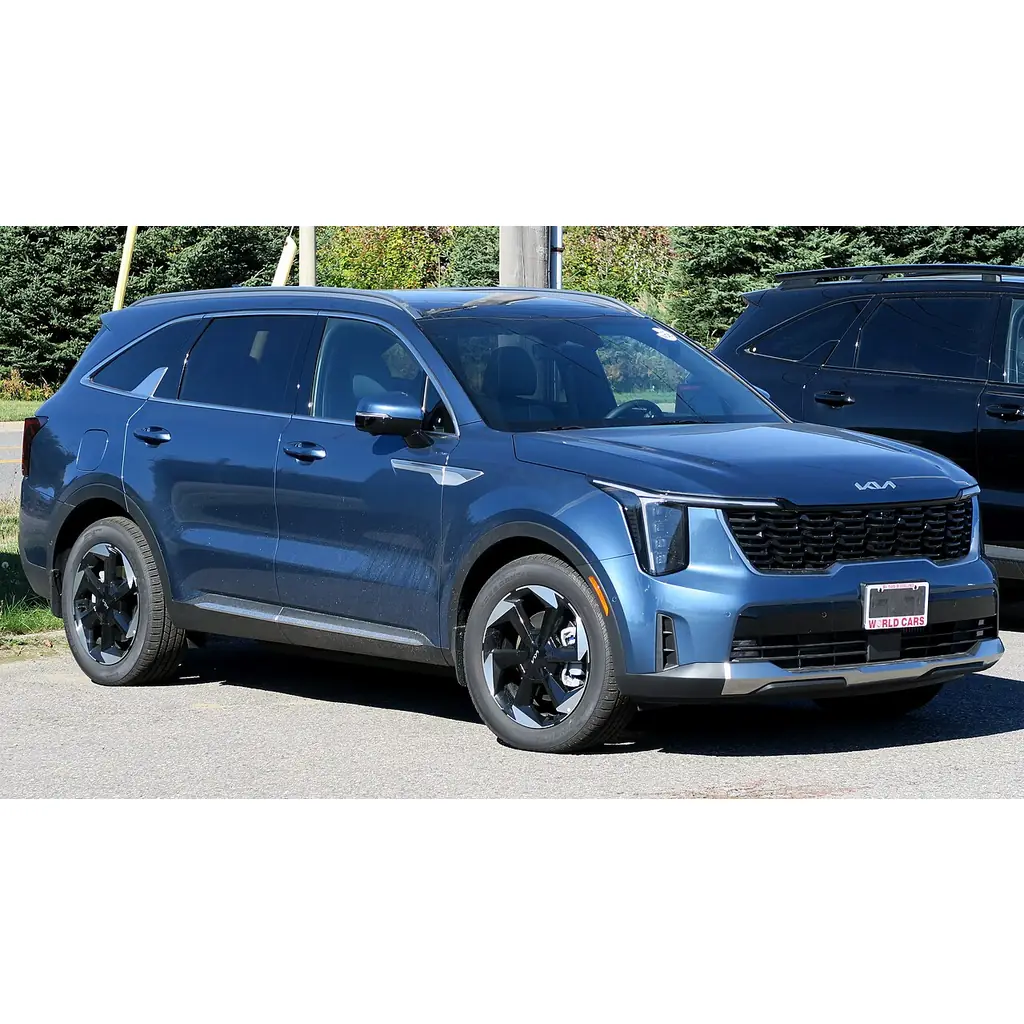
The Sorento PHEV is attractive when a household wants plug-in driving and occasional third-row flexibility without moving into a much larger SUV. Its seating arrangement can solve a specific problem for the right family.
Kia’s 2025 specifications list only 12.6 cubic feet of cargo space behind the third row. Fold that row and the figure rises substantially, but that solution is unavailable when the passengers you bought the seats for are using them.
The compromise is manageable for school runs and occasional visitors. For an airport trip with every seat occupied, try the luggage first. Three rows do not automatically mean room for everyone’s belongings.
Sources and context
15. Hyundai Santa Fe XRT: The outdoorsy version is not the efficient one
Model-year scope: 2025
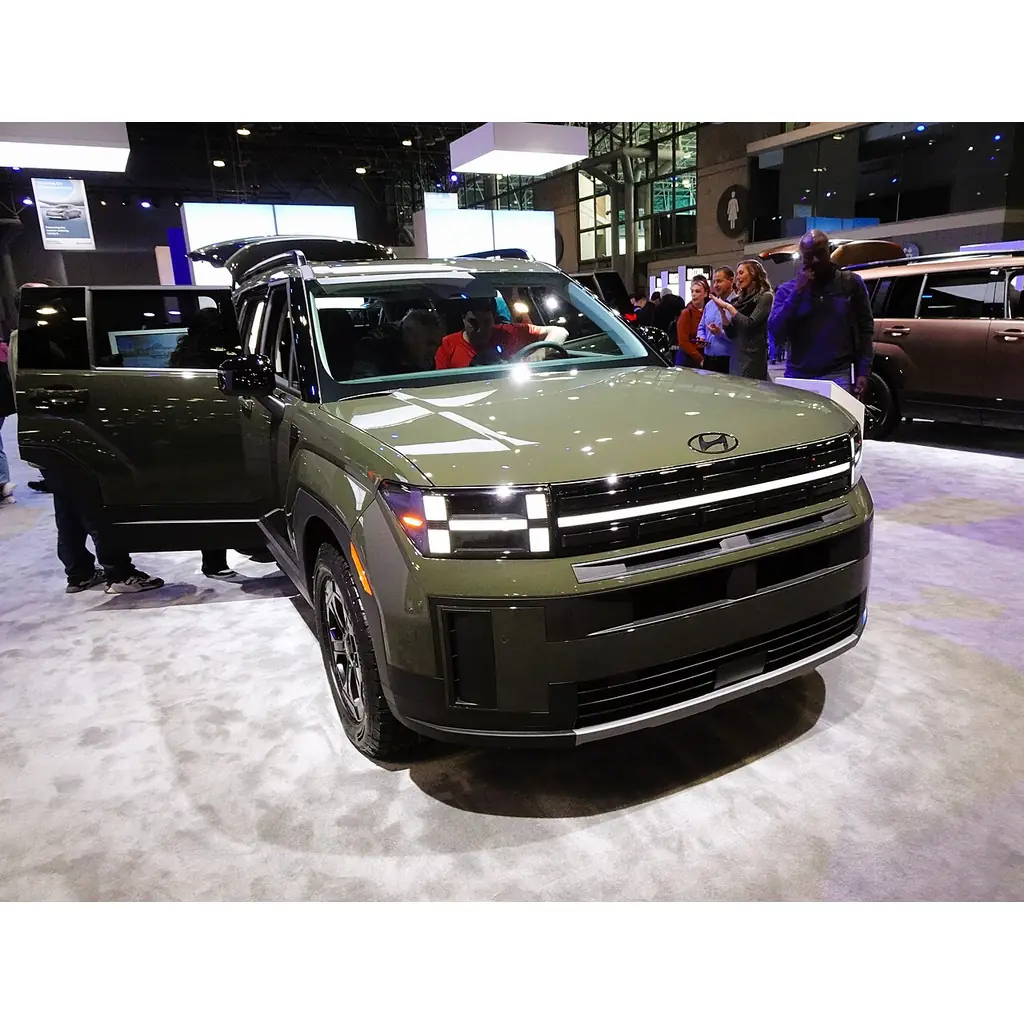
The boxy Santa Fe XRT makes outdoor weekends easy to imagine. Its all-terrain tires, extra ground clearance and higher towing limit give the appearance some substance, rather than leaving the package entirely to styling.
The fuel-economy trade is equally specific. The 2025 XRT AWD is EPA-rated at 22 mpg combined, while the Santa Fe Hybrid AWD is rated at 34 mpg combined. Those are different powertrains, not an efficiency upgrade available within the XRT package.
The XRT’s properly equipped 4,500-pound towing capability may justify the choice for some households. If the main job is commuting, compare that recurring fuel use with how often the outdoor equipment will actually be needed.
Sources and context
16. Volkswagen Atlas: Family space comes with touch-heavy controls
Model-year scope: 2025
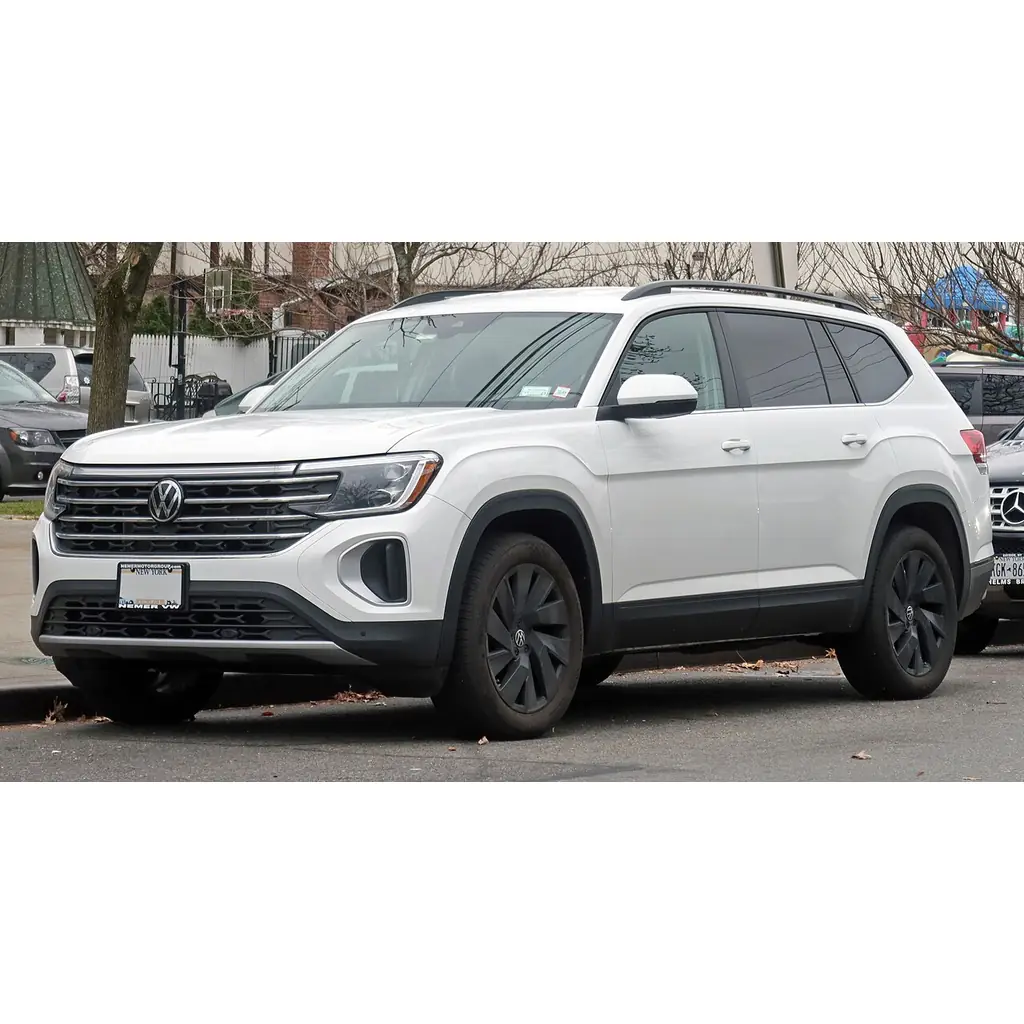
The Atlas has the sort of family-oriented size that can put it high on a shopping list. The disappointment for some drivers is not the amount of cabin space but how adjustments are made from the front seats.
Volkswagen’s 2025 guide routes climate functions through the infotainment interface and touch-sensitive controls. Consumer Reports, which bought an SE with Technology and 4Motion for its test, describes the touchscreen climate arrangement as confusing.
That judgment will not match every driver’s experience, and the system offers useful shortcuts. While safely parked, try changing fan speed, temperature and seat heating before buying. A large display should make daily use easier, not just look impressive.
17. Volkswagen Tiguan: The small seven-seater cannot also be the AWD version
Model-year scope: 2024, U.S.-market
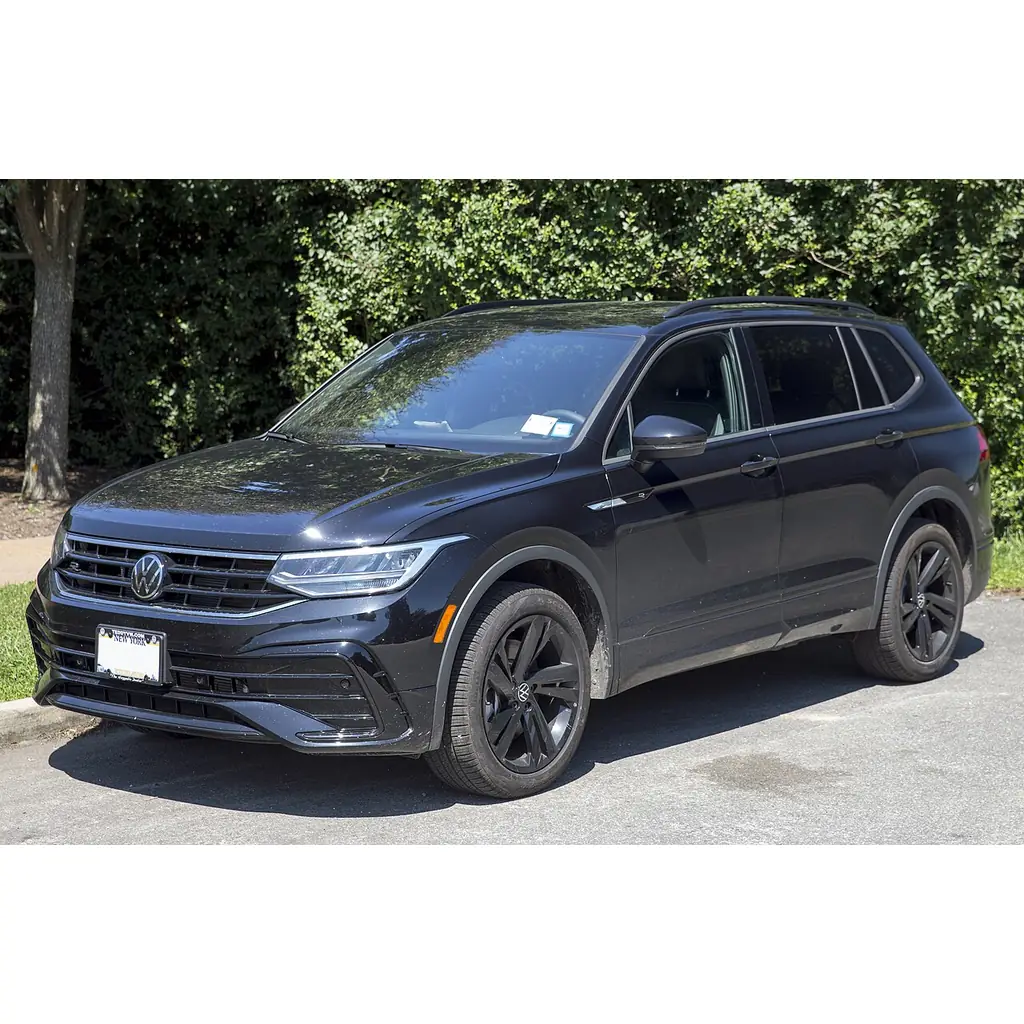
The 2024 Tiguan is appealing on a used-car shortlist because its compact-SUV format can include a third row. That sounds especially useful to a household hoping to combine occasional extra seats with all-weather drivetrain options.
The U.S. specification has an important restriction: the third row belongs to front-wheel-drive configurations. Choosing 4Motion all-wheel drive means choosing the five-seat layout. A used listing’s model name alone does not tell you which tradeoff it contains.
Neither arrangement is inherently wrong. Check the actual seats and drivetrain before arranging a viewing, especially if both features are essential. This entry concerns the U.S. 2024 vehicle, not other markets or a later redesign.
Sources and context
18. Chevrolet Trax: The ACTIV look does not add all-wheel drive
Model-year scope: 2025
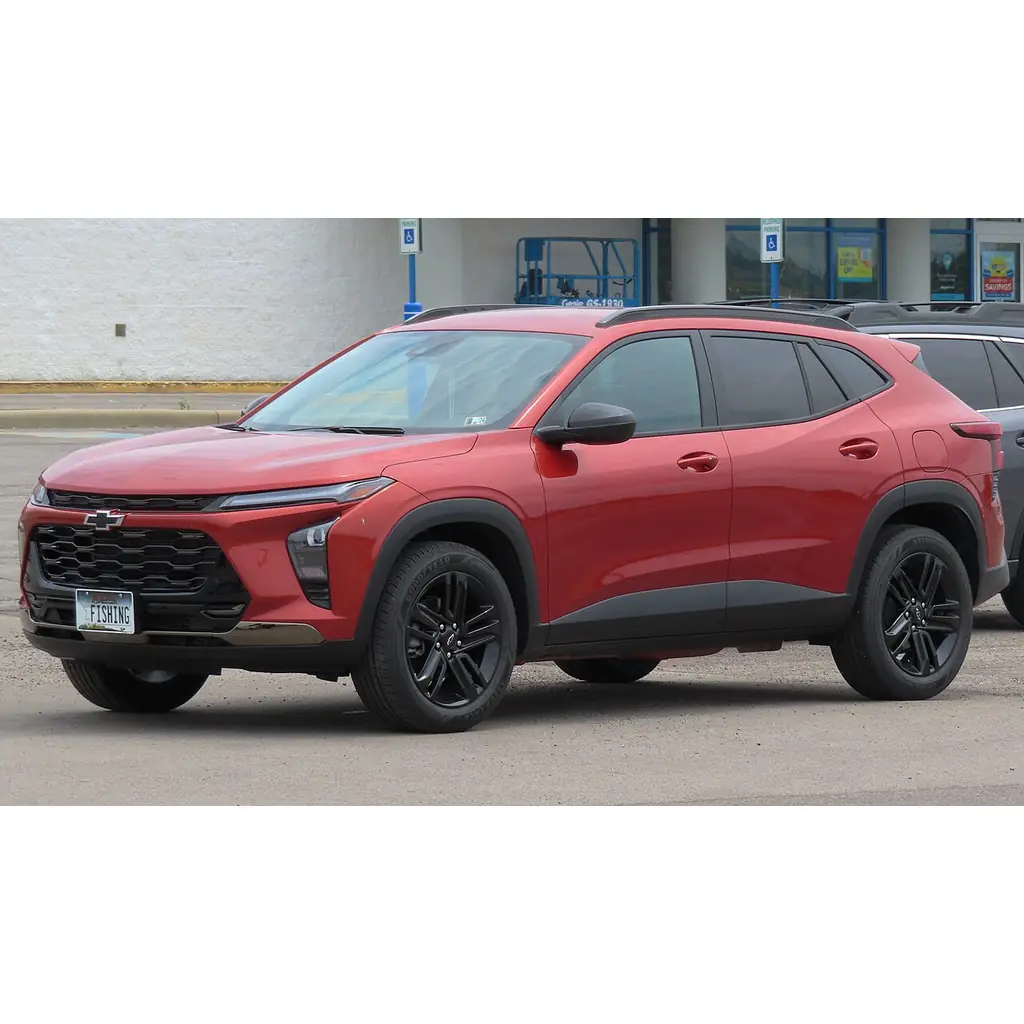
The Trax makes an affordable SUV-shaped vehicle look appealing, and the ACTIV trim gives it a more outdoors-oriented identity. It is easy to assume that version brings a different kind of drivetrain along with the appearance.
For 2025, the U.S. Trax uses a 137-horsepower turbocharged 1.2-liter engine and front-wheel drive. There is no AWD configuration to select by moving up the trim ladder, including ACTIV.
That can be perfectly sensible for a buyer who mainly wants space and style at a manageable size. If AWD is a requirement, recognize the limit early. Our Trax features guide covers the equipment that the vehicle does offer.
Sources and context
19. Kia Telluride X-Pro: Capability does not erase the fuel bill
Model-year scope: 2025
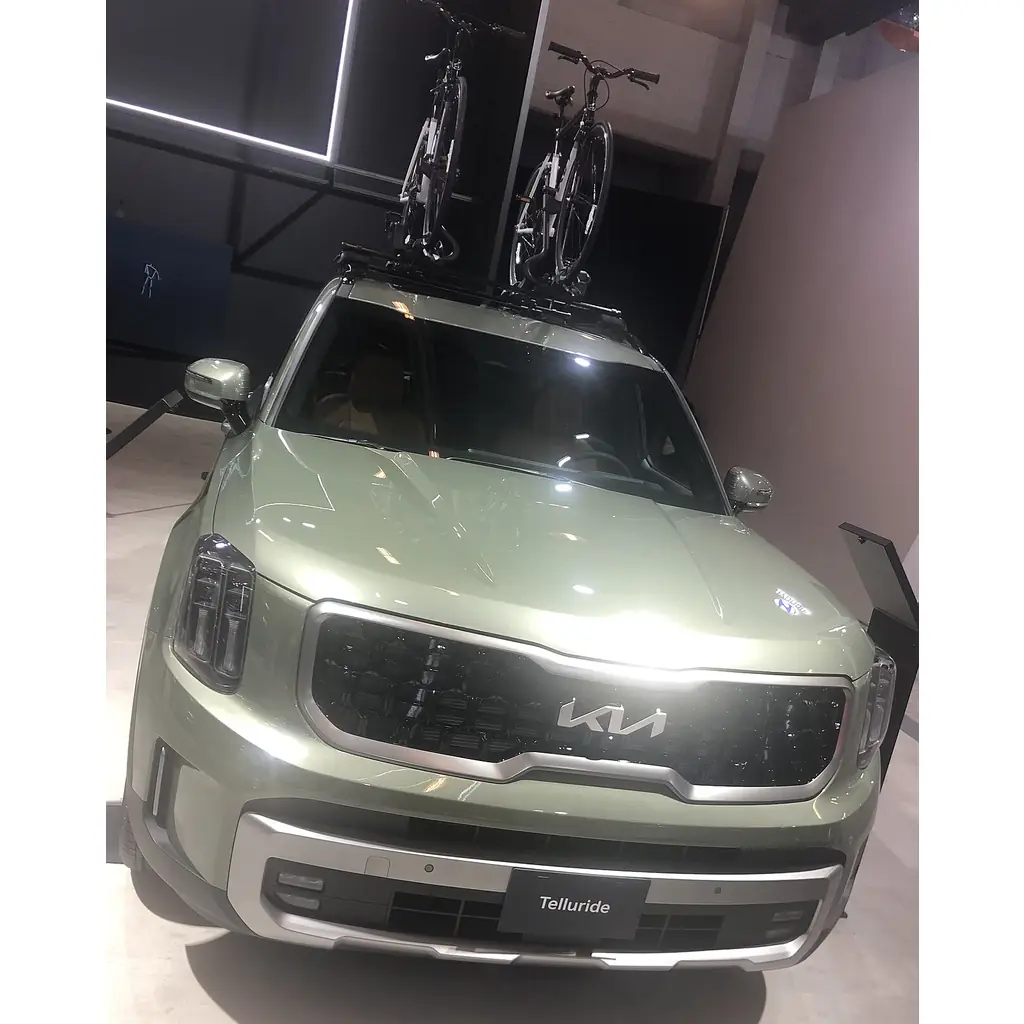
The Telluride X-Pro gives the family-SUV formula a more adventurous edge. It is not simply a name applied to ordinary equipment: Kia lists a 5,500-pound towing maximum for the properly equipped 2025 X-Pro.
The daily-use limitation is the powertrain’s appetite. Kia’s specifications put AWD Telluride versions at an estimated 20 mpg combined. The 2025 range does not offer a hybrid alternative, so moving to a more expensive trim does not open up an efficiency-focused powertrain.
For a household that needs the towing capacity, the trade may be reasonable. If the appeal is mainly appearance, consider whether that benefit will still feel worthwhile after the novelty of the exterior has passed.
Sources and context
20. Lexus RX 500h: A hybrid badge can prioritize performance over thrift
Model-year scope: 2025
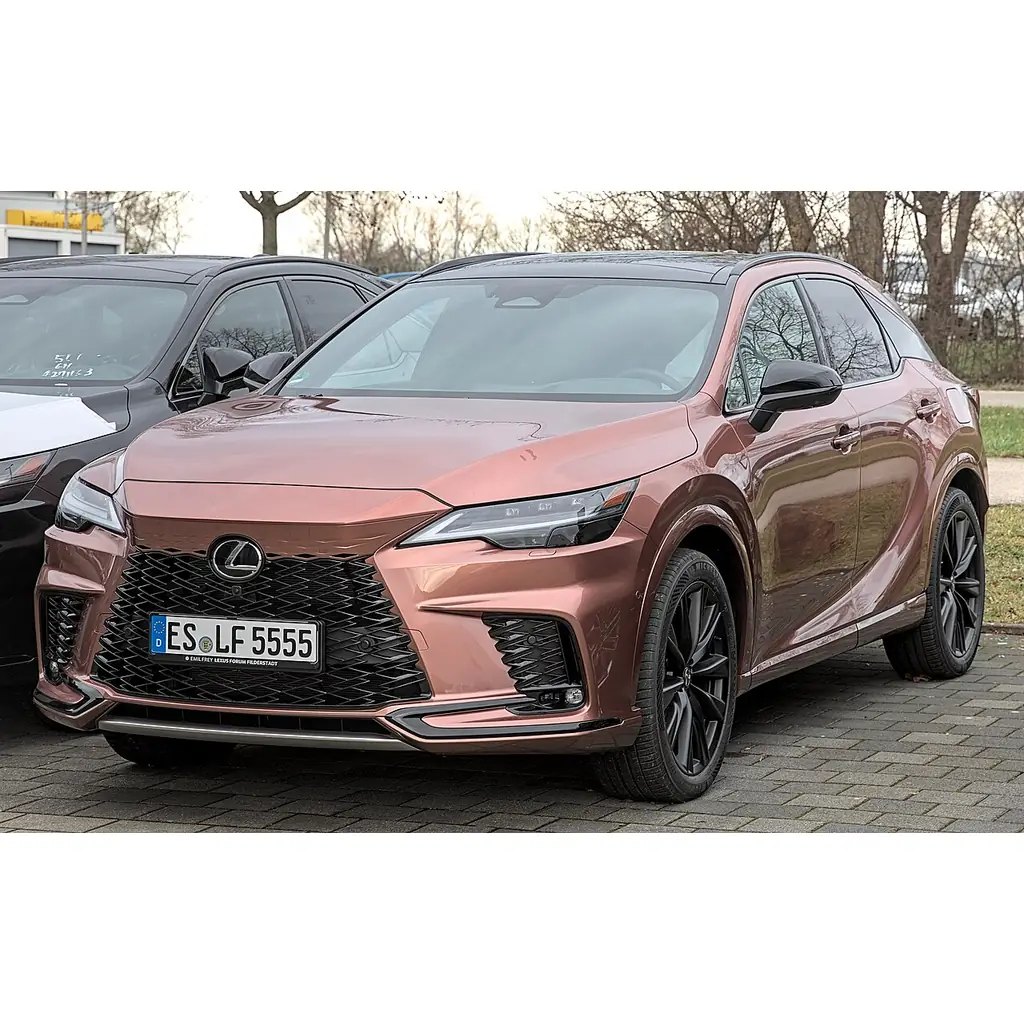
The RX 500h combines Lexus familiarity with an explicitly performance-focused hybrid package. A buyer who associates every Lexus hybrid with maximum fuel economy could easily misunderstand what the more expensive specification is trying to achieve.
Lexus lists the 2025 RX 500h AWD at an EPA-estimated 27 mpg combined. The RX 350h AWD is rated at 36 mpg combined. Both are hybrids, but their engineering priorities and resulting fuel use are clearly different.
That does not make the 500h a failed performance choice. It makes it a questionable upgrade for someone mainly seeking lower fuel consumption. Shop the powertrain rather than letting the shared hybrid label make the decision.
Sources and context
Photo credits and licenses
- 2025 Ford Bronco Stroppe Edition: This picture has been taken by Oleg Yunakov . Contact e-mail: yunakov gmail.com . Image can be used in accordance with the terms of the СС-BY-SA license. Other photos can be seen here ., CC BY-SA 4.0. Resized and padded to square; no vehicle details synthesized.
- Jeep Wrangler Rubicon 4xe: Deans Charbal, CC BY-SA 4.0. Resized and padded to square; no vehicle details synthesized.
- 2025 Toyota 4Runner TRD Sport; nonhybrid trim shown: Elise240SX, CC BY-SA 4.0. Resized and padded to square; no vehicle details synthesized.
- Fourth-generation Toyota Highlander LE AWD; nonhybrid trim shown: Mr.choppers, CC BY-SA 3.0. Resized and padded to square; no vehicle details synthesized.
- Sixth-generation Honda CR-V Hybrid: Alexander-93, CC BY-SA 4.0. Resized and padded to square; no vehicle details synthesized.
- 2021 Toyota RAV4 Prime SE: Charles from Port Chester, New York, CC BY 2.0. Resized and padded to square; no vehicle details synthesized.
- 2025 Subaru Forester Sport, U.S. model: Charles, CC BY 2.0. Resized and padded to square; no vehicle details synthesized.
- 2023 Subaru Outback Wilderness: MercurySable99, CC BY-SA 4.0. Resized and padded to square; no vehicle details synthesized.
- 2024 Mazda CX-90 PHEV Premium: Mr.choppers, CC BY-SA 3.0. Resized and padded to square; no vehicle details synthesized.
- 2023 Mitsubishi Outlander PHEV SEL: Mr.choppers, CC BY-SA 3.0. Resized and padded to square; no vehicle details synthesized.
- 2023 Ford Escape ST-Line PHEV; market specification varies: Charles from Port Chester, New York, CC BY 2.0. Resized and padded to square; no vehicle details synthesized.
- 2023 Honda HR-V Sport: Kevauto, CC BY-SA 4.0. Resized and padded to square; no vehicle details synthesized.
- 2024 Toyota Corolla Cross: Peugeot 206, Public domain. Resized and padded to square; no vehicle details synthesized.
- 2025 Kia Sorento PHEV SX: Elise240SX, CC BY-SA 4.0. Resized and padded to square; no vehicle details synthesized.
- 2024 Hyundai Santa Fe XRT: Charles from Port Chester, New York, CC BY 2.0. Resized and padded to square; no vehicle details synthesized.
- 2024 Volkswagen Atlas Peak Edition SE: Kevauto, CC BY-SA 4.0. Resized and padded to square; no vehicle details synthesized.
- 2024 Volkswagen Tiguan 4Motion SE R-Line Black: Mr.choppers, CC BY-SA 3.0. Resized and padded to square; no vehicle details synthesized.
- 2024 Chevrolet Trax ACTIV: MercurySable99, CC BY-SA 4.0. Resized and padded to square; no vehicle details synthesized.
- 2023 Kia Telluride, photographed at the Canadian International AutoShow: Bull-Doser, Public domain. Resized and padded to square; no vehicle details synthesized.
- Lexus RX 500h F Sport Performance: Alexander-93, CC BY-SA 4.0. Resized and padded to square; no vehicle details synthesized.