The Wrangler’s useful details extend well beyond the tiny hidden Jeep symbols.
Start with the parts that make a muddy weekend easier to pack for and clean up afterward. Features vary by model year and equipment; photos illustrate the situations and may show a different vehicle.
1. Check the floor drains before washing the interior
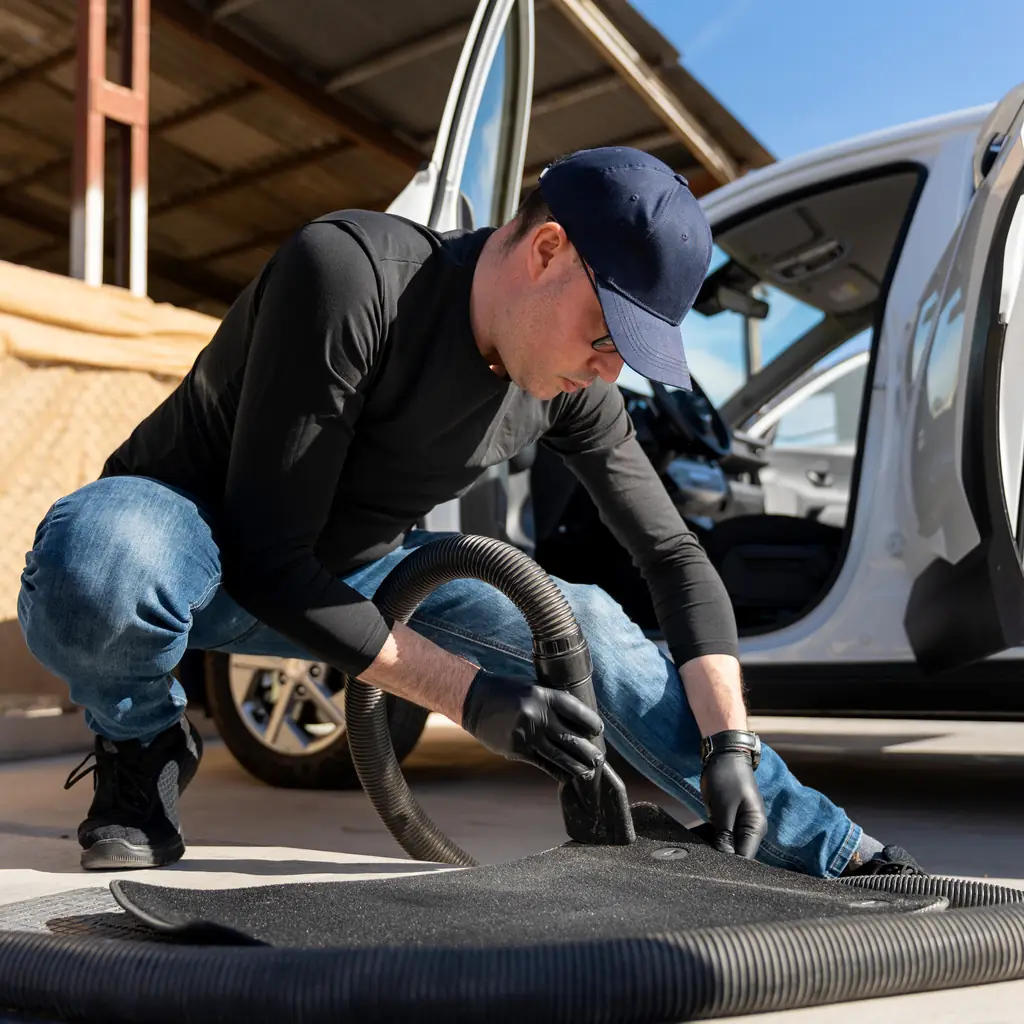
The Wrangler’s wash-out interior is real, but it is not a promise that every interior surface welcomes a pressure washer. Jeep’s 2025 equipment information includes removable carpet and drain plugs. Identify the actual plugs, carpeting and electrical equipment before choosing a cleaning method.
Remove loose grit and take the mats out first. That often deals with much of the mess without spreading water through the cabin. Follow the cleaning directions for the material and model, keeping water away from equipment that should not be soaked.
Dry the removed pieces and reinstall them correctly. The owner’s manual stresses that carpeting must be securely attached and must not interfere with pedals. A clean floor is not a successful result if a loose mat can slide forward while you drive.
Take a photo of the correct arrangement before disassembly. It gives you a simple reference for the grommets and edges when the muddy job is finished and you are ready to put the cabin back together.
2. Find the supplied roof and door tools
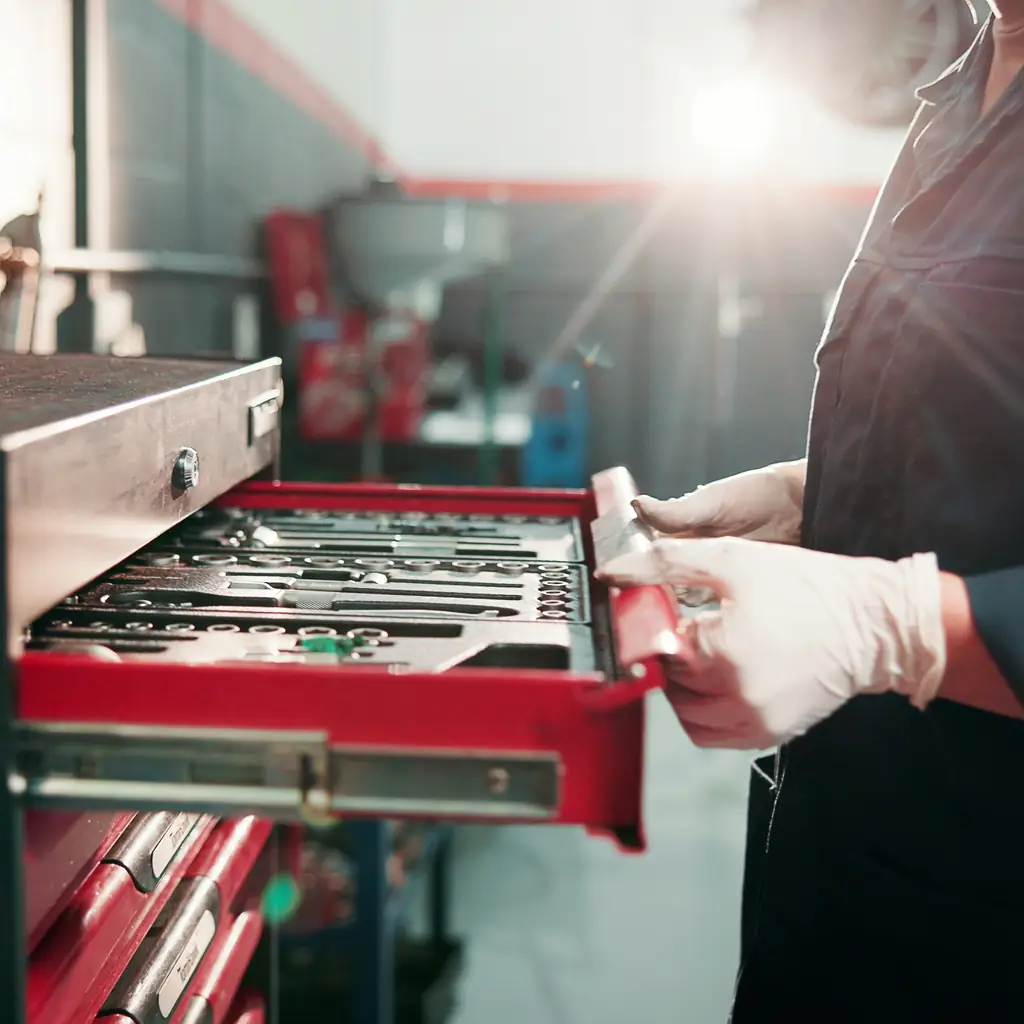
Before buying a special tool kit, check what came with the Jeep. The 2025 Wrangler manual locates the provided kit in the center console and lists a ratchet, Torx drivers and a socket for the relevant operations.
Lay the pieces out and compare them with the manual. A used Wrangler may be missing a bit even when the pouch is still present. Replace the correct item rather than forcing a nearly fitting tool into a fastener.
Keep the kit together after each job. The useful feature is having the right tool when you need it; spreading the pieces among three household toolboxes removes that advantage immediately.
3. Store removed screws and nuts in the cargo tray
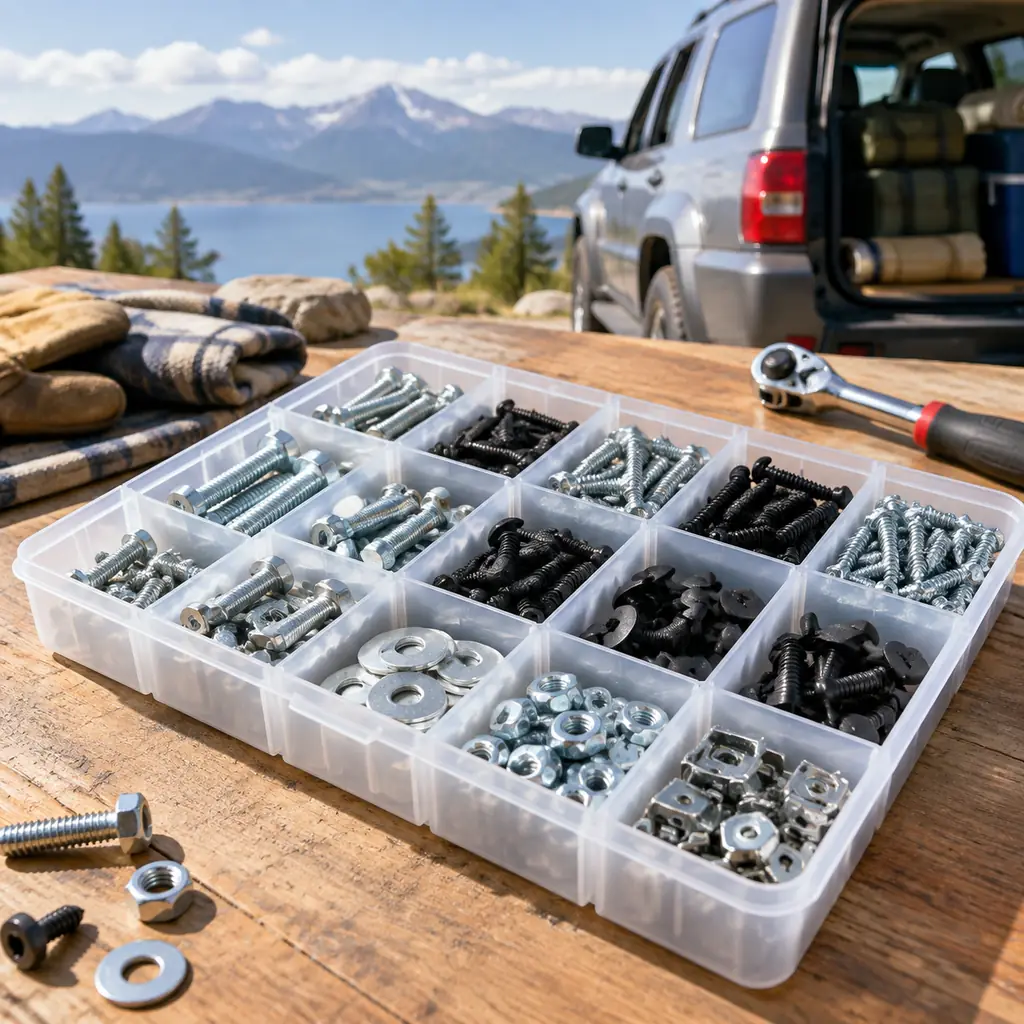
The rear cargo tray beneath the load floor provides a place for certain removed door hinge screws and nuts on the 2025 Wrangler. Learn the arrangement before undoing anything, so the fasteners never become a loose handful on the driveway.
Use the exact removal and refitting procedures, including specified torque values and warnings. Do not mix hardware from different locations merely because the threads look similar.
The owner’s manual warns against driving on public roads with the doors removed and describes that procedure for off-road operation. It also warns that doors are heavy. A tool-storage discovery is not a shortcut around those limitations or a reason to attempt an awkward lift alone.
Prepare the storage before touching a fastener, and keep a stable place for each detached part. Do not leave hardware on the bumper where it can roll away or mix with another set. Reassembly becomes much easier when you have preserved the original arrangement instead of reconstructing it from memory.
4. Choose a safe place to store roof panels
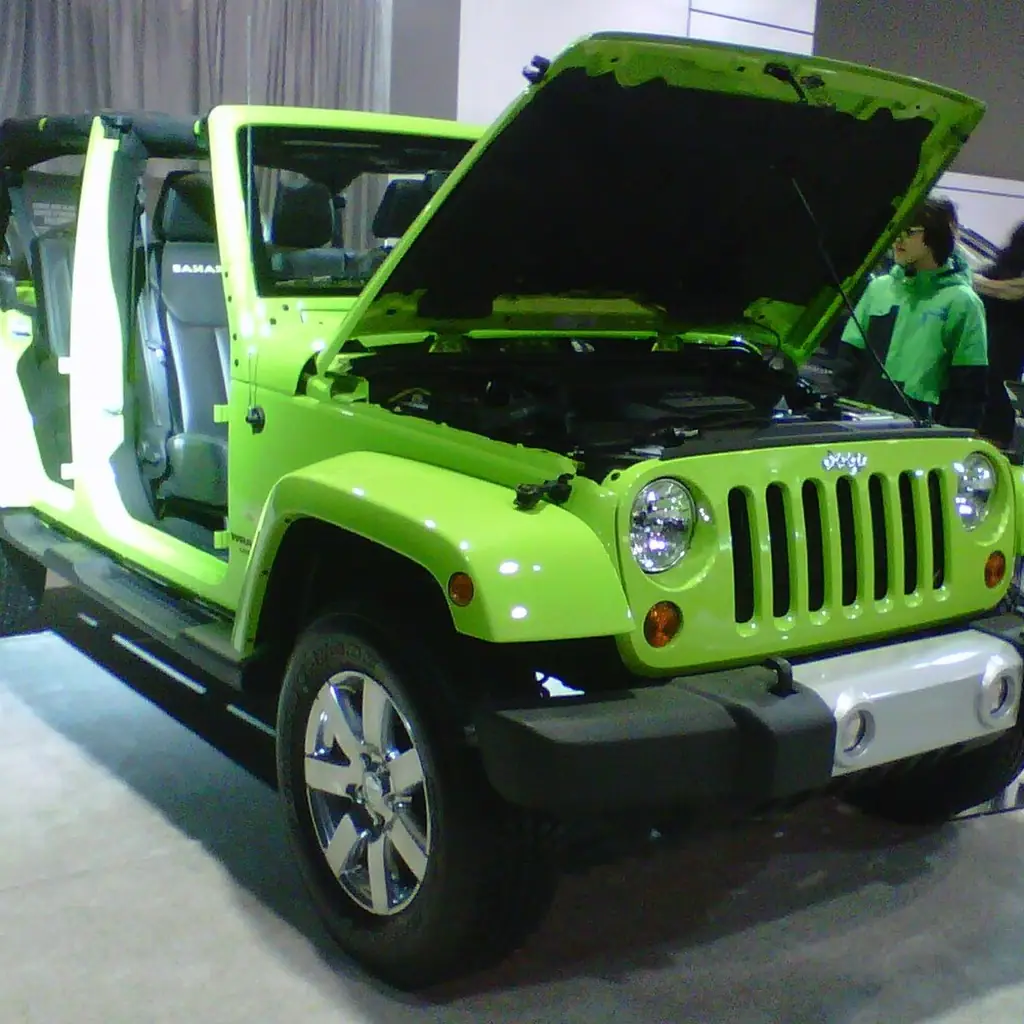
Removing a panel is only half the job. Before starting, choose a clean, stable place to put it, where grit cannot rub the surface and nobody can knock it over.
Use the appropriate storage bag or arrangement for the roof fitted to your Wrangler. A soft top, removable hard panels and Sky One-Touch equipment are different systems, with different handling and storage instructions.
Practice the procedure on a calm day and allow time to reverse it. Rushing because a dark cloud has arrived is how a pleasant open-air plan becomes an awkward collection of latches, bags and parts. The driveway is the place to discover which step needs another pair of hands.
5. Secure loose items before an open-air drive
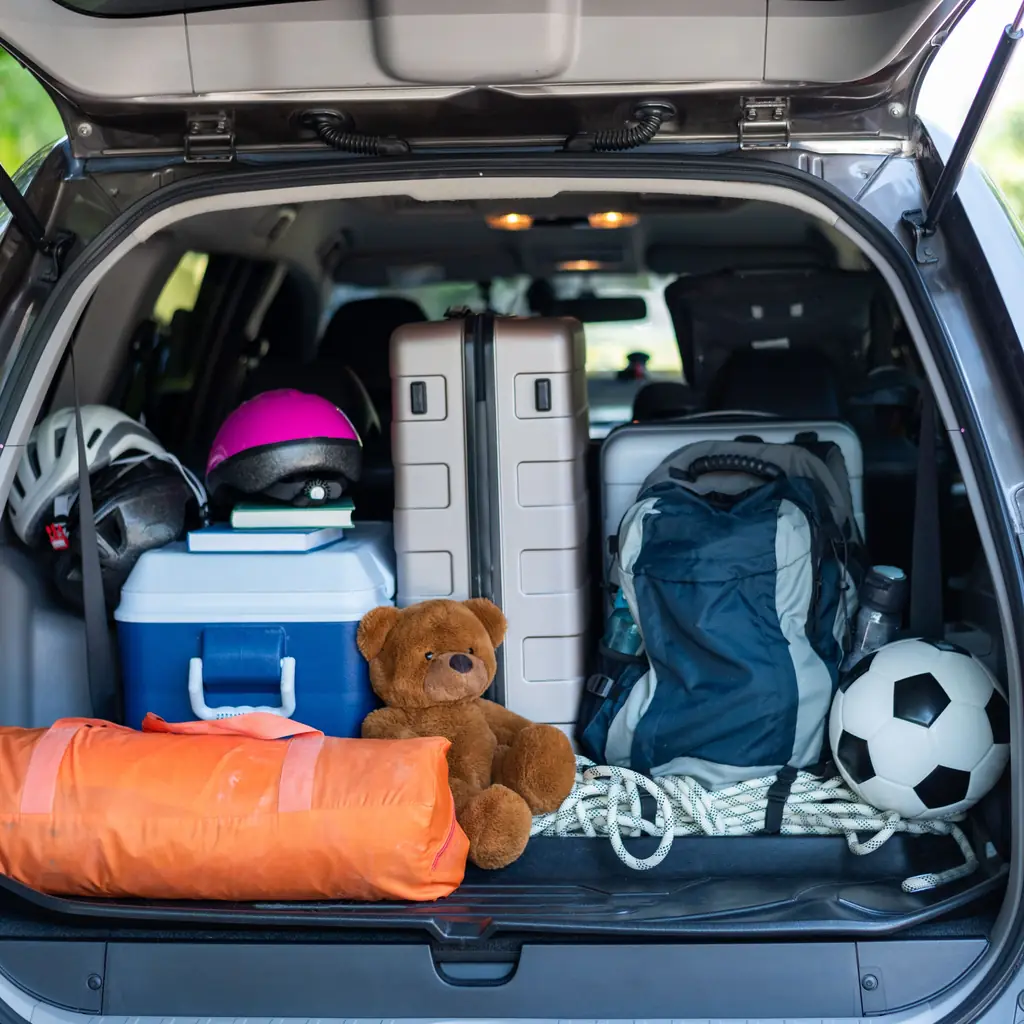
An open-air drive changes what loose objects experience. The light jacket, receipt or empty bottle that seemed harmless in a closed cabin can become a distraction when airflow increases.
Use the Wrangler’s cargo tie-down points for appropriate restraints, keeping within the vehicle’s instructions and load limits. Close bags and keep important small items in a suitable compartment rather than on a seat.
Our Bronco driveway walkthrough approaches removable-body features the same way: plan the belongings and the storage before enjoying the open configuration. The cabin should be ready for the trip you will take, not the parked photo you want to capture.
6. Clean soft windows without scratching them
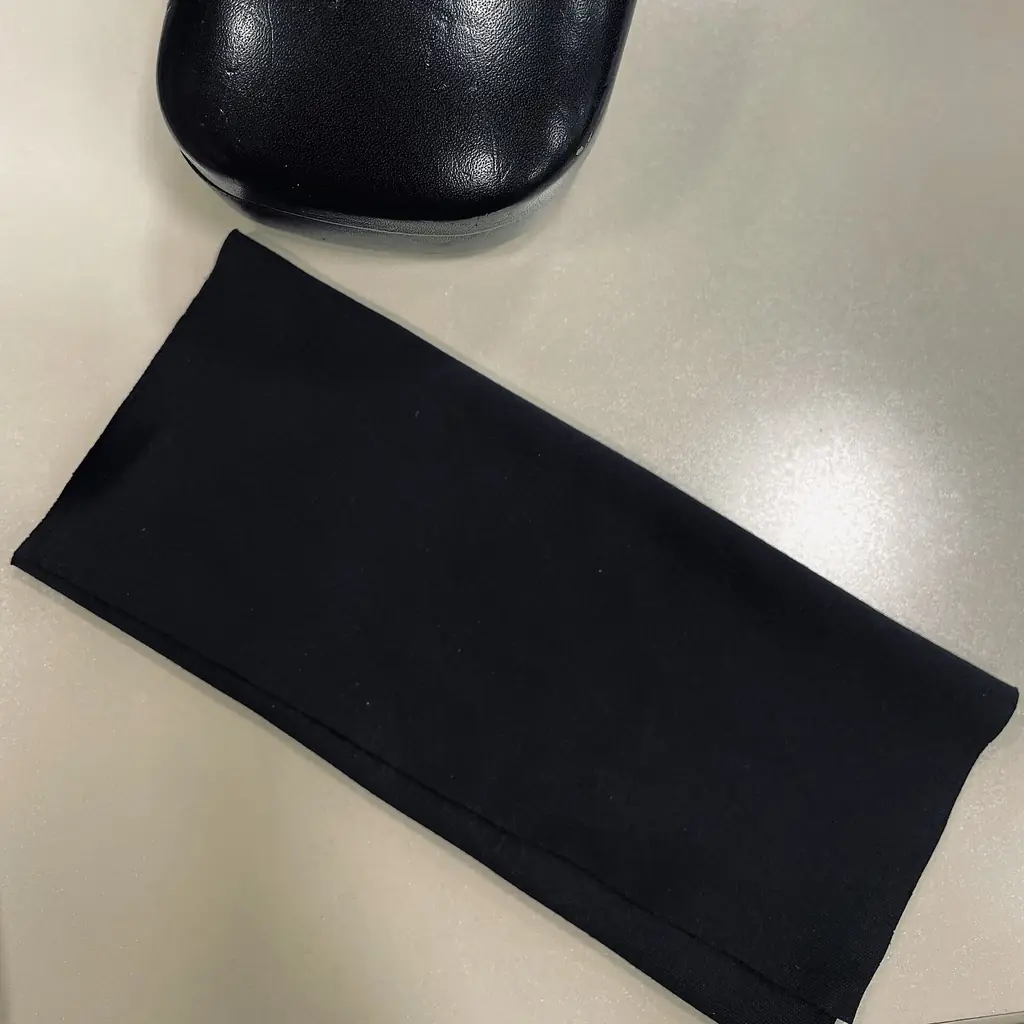
A dry dusty cloth can scratch a soft window while seeming to clean it. The Wrangler manual recommends appropriate gentle cleaning and warns against solvents, abrasive treatment and other methods that can damage the material.
Rinse or clean according to the specified process, and use a suitable soft cloth. Do not treat flexible windows like ordinary household glass. Keep the cloth used on gritty bodywork separate from the one used on the window.
The window-tint planning guide makes a related distinction: glass, film and other transparent materials are not interchangeable. Identify the surface before applying a product that promises an easy fix.
7. Explore the storage beneath the cargo floor
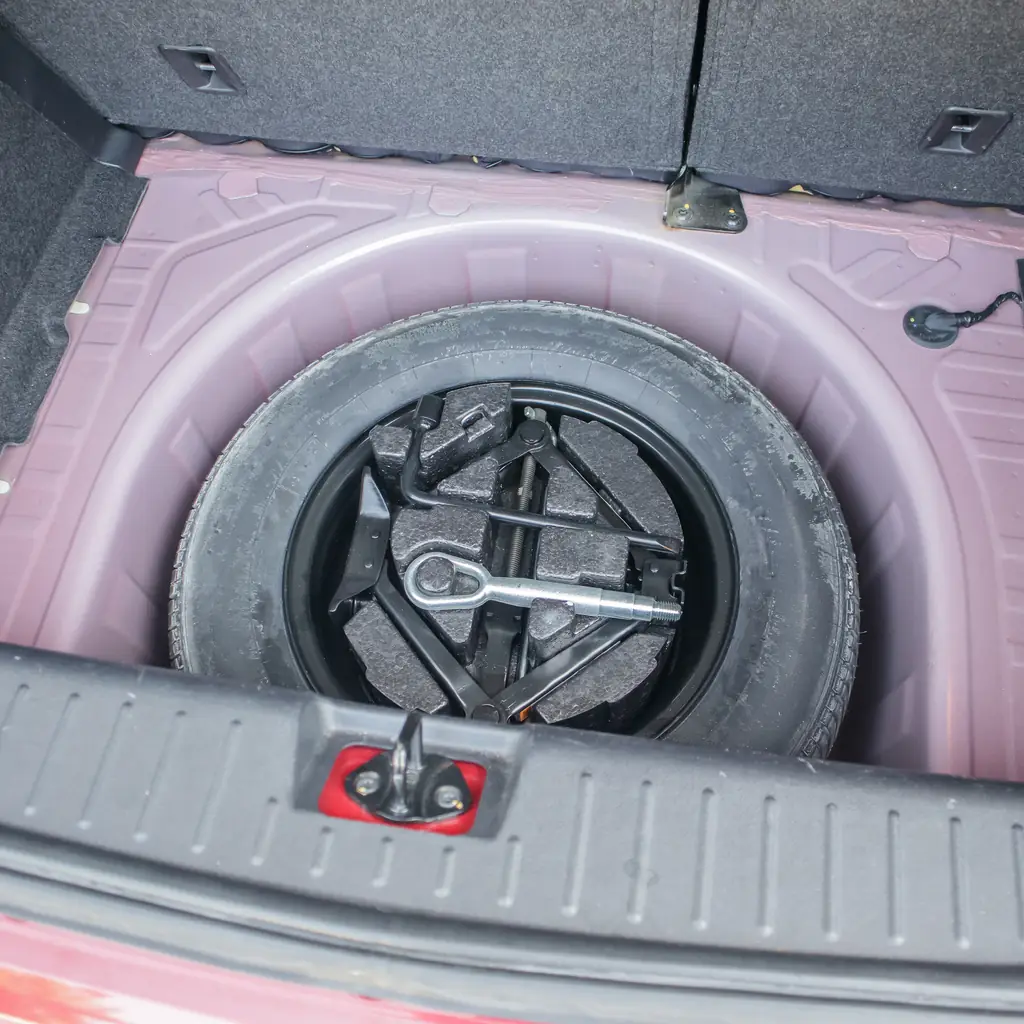
The Wrangler’s rear storage compartment sits beneath the load floor. Open it while the cargo area is empty and decide what belongs there: items you need occasionally, rather than the bag you open at every stop.
Keep access to required vehicle tools and the compartment’s designed functions clear. A tightly packed aftermarket insert can be less useful than the existing space if you have to unload everything to reach an essential item.
Our Ram storage guide uses the same frequency test. Put daily objects within easy reach, and let the deeper compartments carry the things that can wait until you are safely parked.
Put the object you use least often into the deepest suitable space, then test access to the item you may need urgently. A storage plan that protects a spare strap but buries the necessary vehicle tools has the priorities backward. Rearrange the small pieces before adding a larger box.
8. Check the soft top's cold-weather limits

A soft top behaves differently in cold weather. The 2025 Wrangler manual cautions against lowering the top below 41°F because the material can be damaged, and explains that cooler material can be harder to put back into position.
Check the instructions for your exact roof and year rather than using force when the fabric or retainers resist. Choose another day if conditions do not suit the operation.
This is one reason our driveway camping rehearsal includes the actual weather gear. A configuration that feels effortless on a warm afternoon may not be the one you want to assemble before dawn.
9. Leave room for the rear swing gate to open
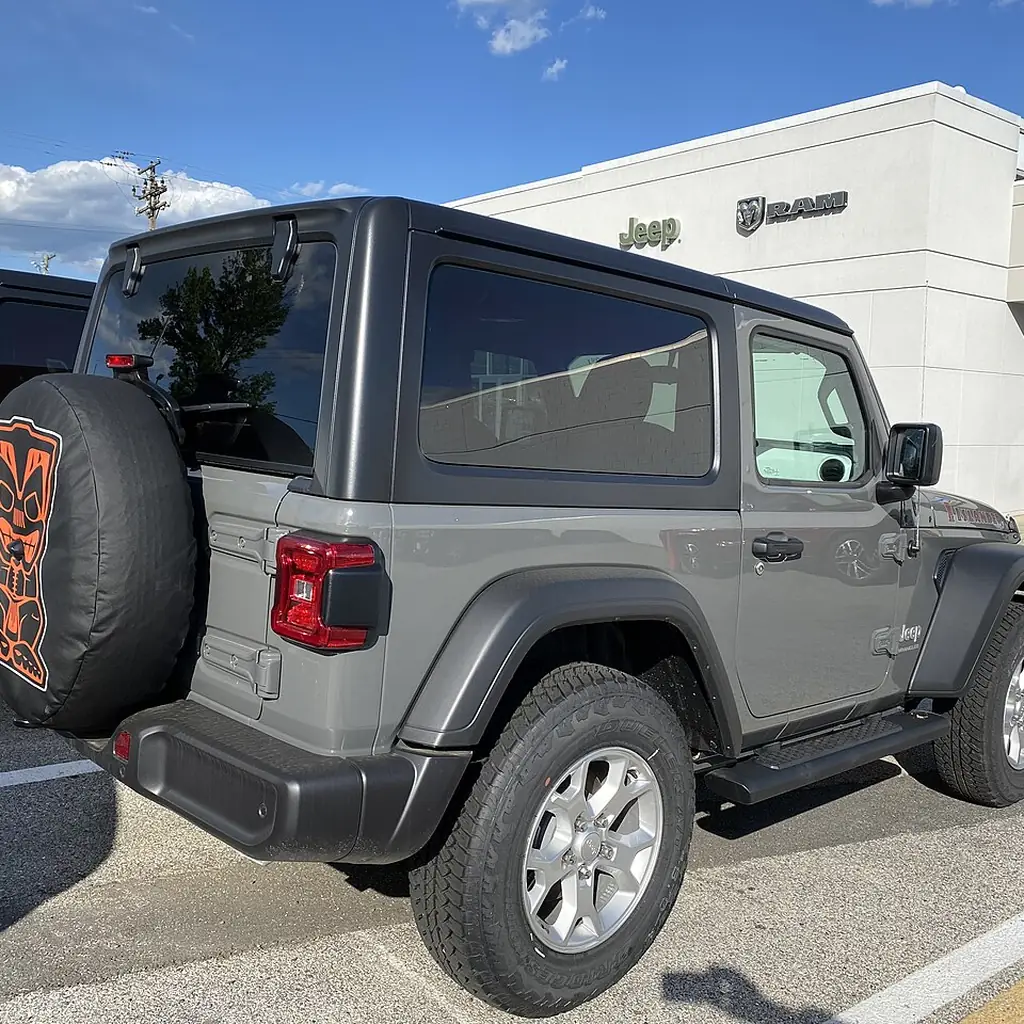
The rear opening needs room beyond the cargo volume itself. Before parking close to a wall, tree or another vehicle, consider how the swing gate and rear glass open on your Wrangler.
Try accessing the first-stop bag with the vehicle in its intended parking position. If you need to move the Jeep to retrieve a jacket, change the packing position or leave more room next time.
The Outback hatch setup solves a different opening problem with the same habit: test the real movement, not just the closed vehicle’s footprint. Keep people clear of the moving gate and glass.
10. Check circuit limits before using auxiliary switches
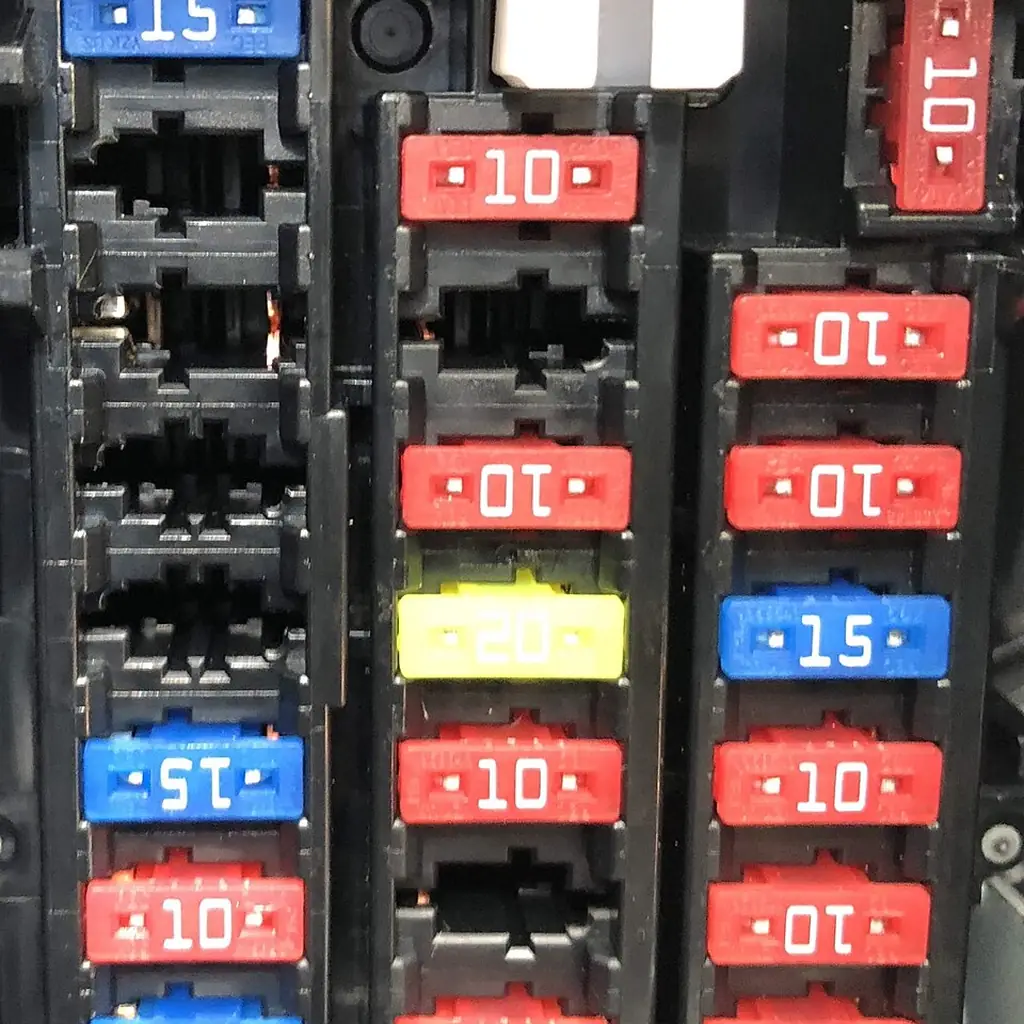
Factory auxiliary switches, where fitted, can simplify the controls for suitable accessories. They do not establish that any light, compressor or other device can be connected to any circuit.
Before installing equipment, match its requirements to the documented circuit, fuse, wire and operating limits. Use a qualified installer where needed. Learn whether the selected configuration operates with the ignition or battery power so you do not create an unexpected battery drain.
Our Tacoma utility guide distinguishes prewired convenience from an unlimited electrical supply. The useful upgrade is a properly specified system whose operation you understand, not an extra button that happens to illuminate.
11. Look for your Wrangler's hidden design details
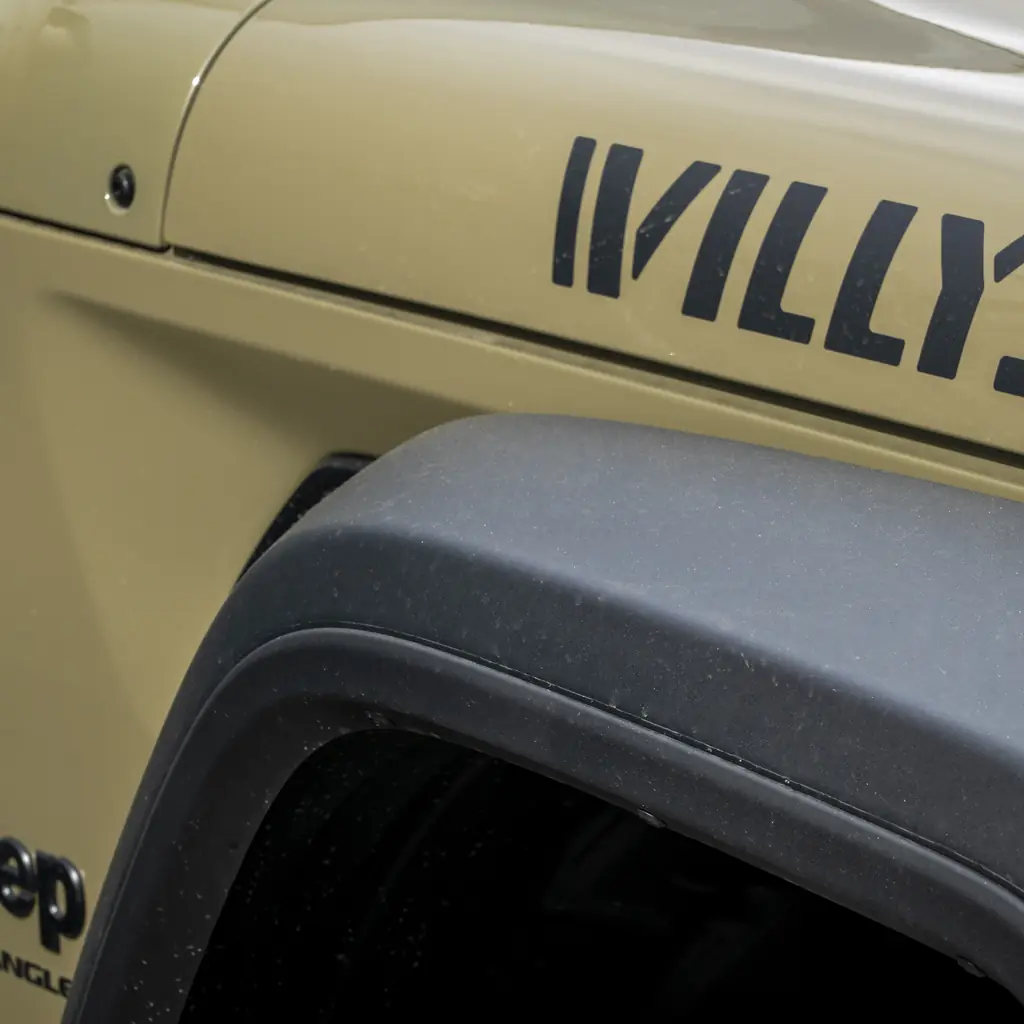
Jeep traces its Easter-egg tradition to a small seven-slot grille motif placed in a Wrangler cowl in 1997. That is a charming bit of design history, and a good reason to look closely at the details on your own vehicle.
Keep expectations tied to the exact year and original parts. A replaced windshield or a different model may not contain the symbol shown in somebody else’s photograph.
Enjoy the discovery as a pause between the practical jobs. It does not need an invented secret meaning or a claim that every Wrangler hides the same collection. The real object is more interesting than a copied checklist that sends you searching for something your Jeep never had.
12. Keep rain gear and essentials within reach

Open-air plans still need closed-roof supplies. Keep rain jackets, shoes and a small light where an adult can reach them after parking, without unloading the equipment for the entire weekend.
Choose a bag that closes securely and fits its assigned space. Keep medication and other temperature-sensitive essentials in conditions appropriate to them, rather than assuming any hidden vehicle compartment is a safe storage location.
Try the retrieval with the vehicle in its travel configuration. A bag that was easy to reach during packing can become trapped after the final cooler is loaded. Move it now, while the consequences are only a few minutes in the driveway.
13. Refit the roof before bad weather arrives
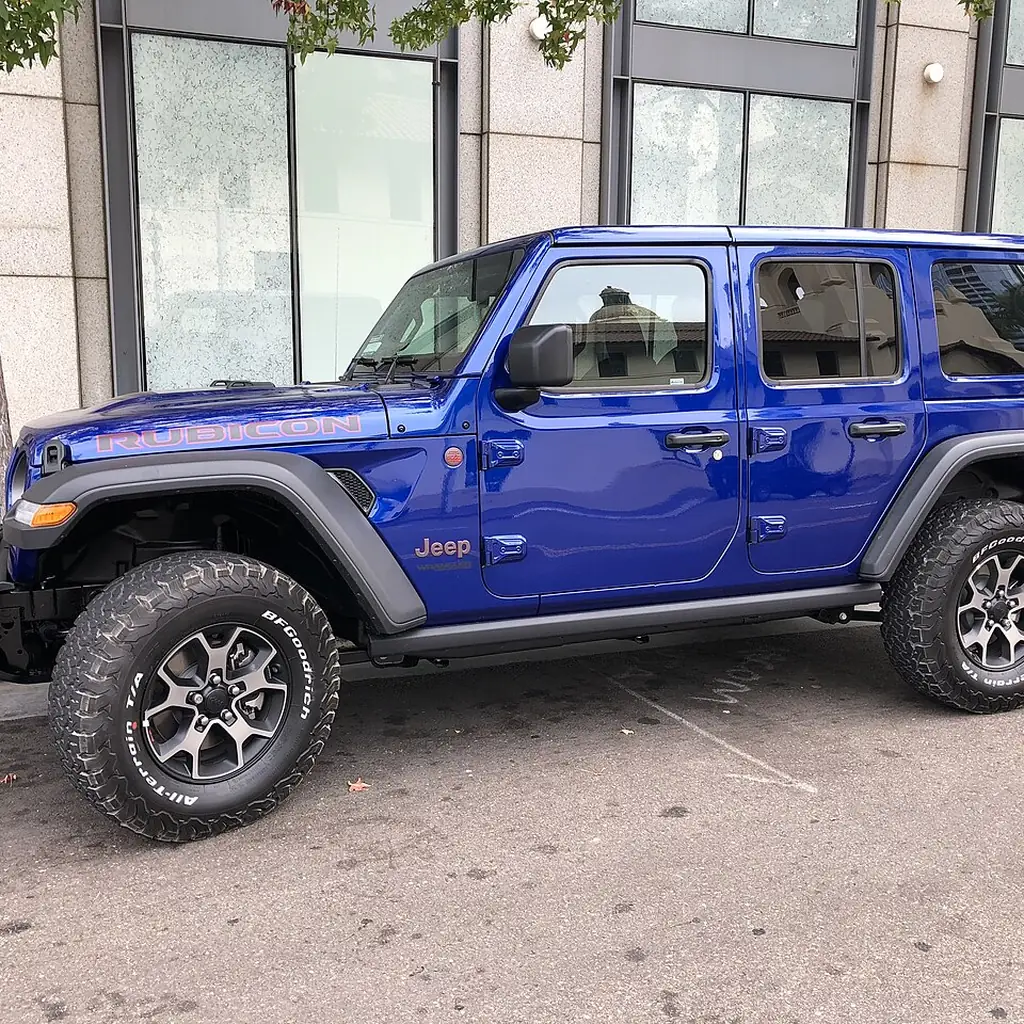
Give yourself time to reinstall the top and check the seals before weather arrives. Read the latch order and handling instructions for the roof you own, and do not force a component that is not aligned.
Inspect the relevant seals and contact surfaces for dirt or trapped objects. The manual warns that improperly positioned panels can allow water into the cabin. A hurried latch is not proof of a proper fit.
Choose a sheltered place for the work where permitted and safe. If severe weather threatens, prioritize people and appropriate shelter rather than finishing a cosmetic task outside. You can repair a delayed plan more easily than a decision made under avoidable pressure.
Keep the storage bags and required tools accessible until the entire assembly is restored. Packing them first can make a final adjustment needlessly difficult. Allow a quiet check for trapped material, correct latching and loose belongings before calling the job complete.
14. Check the pedals, mats and fittings after cleanup
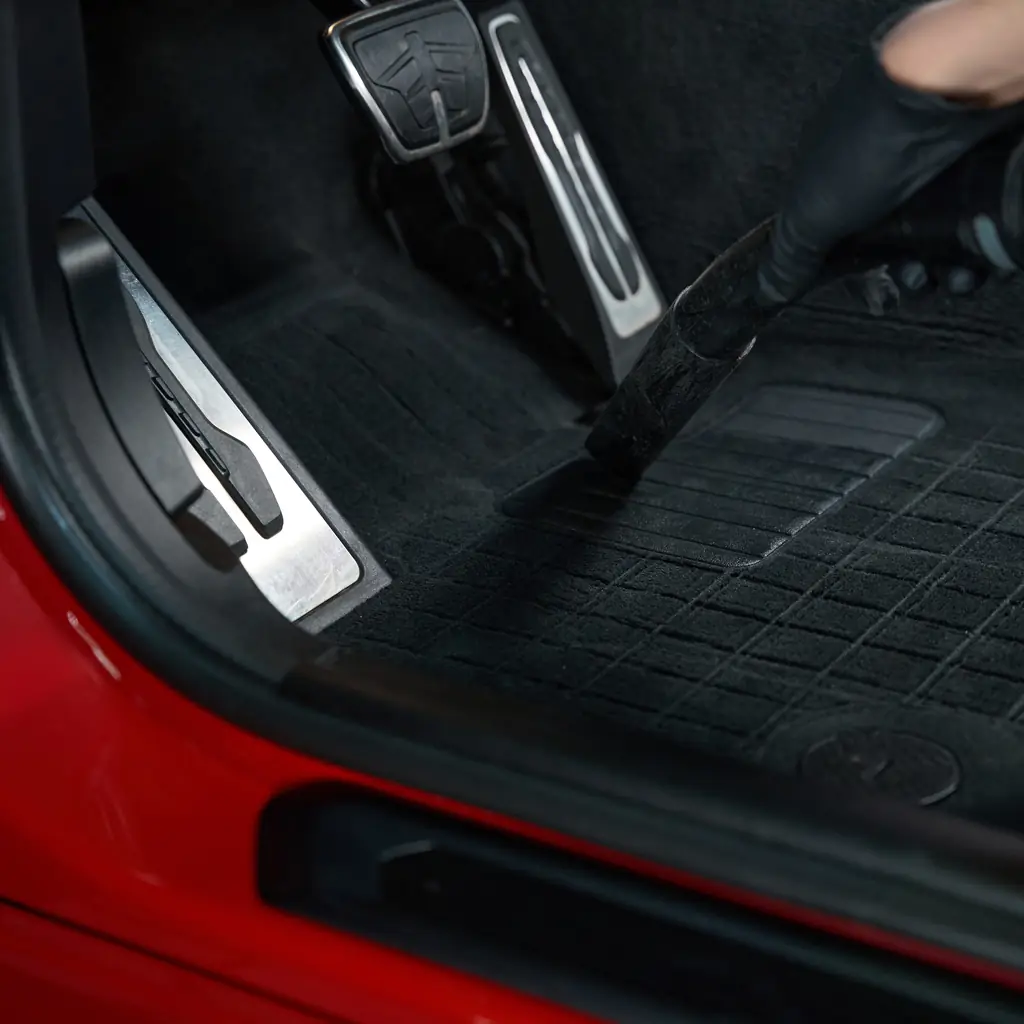
After the cabin is dry and the pieces are back, inspect the driver’s footwell. The carpet and mat must be correctly secured, with no loose objects or extra layers that can interfere with the pedals.
Check that seats, cargo restraints, roof components and doors are restored as required for the next journey. Put the supplied tools back in their home and collect the fasteners, cloths and cleaning bottles left around the work area.
That last quiet check is part of enjoying a vehicle designed for changeable configurations. The useful Wrangler is not just the one that can open up and get muddy. It is the one you can put back into a sound, ready-to-drive condition afterward.
Sources & photo credits
Sources & references Manuals and supporting information
Photo credits Photographers, sources and licences
Other photography
- Image 4: '13 Jeep Wrangler Unlimited Sahara Wih Doors Removed (SDLDQ '13).jpg by Bull-Doser, Public domain. Cropped and resized.
- Image 6: Microfiber cloth.jpg by BeVegan22, CC BY-SA 4.0. Cropped and resized.
- Image 9: 2021 Jeep Wrangler JL two-door Islander 2of3.jpg by Christopher Ziemnowicz, CC BY-SA 4.0. Cropped and resized.
Other photography
- Image 10: Car fuse box.jpg by project Kei, CC BY-SA 4.0. Cropped and resized.
- Image 13: Rubicon color-keyed hard metal roof.jpg by Balintawak, CC BY-SA 4.0. Cropped and resized.