

Editor's note: This list is based on published studies, manufacturer specifications and public records from the sources named in the article. It is not a rating of any individual car. More
Figures change with model year, trim and location, and the studies are updated every year, so check the current data and your own vehicle before you buy, sell or repair. The author has not tested every vehicle discussed. Most photos are credited Wikimedia Commons images and may show a different model year or trim; any marked for illustration are AI-generated.
Owners filed 2,169 complaints with NHTSA about the 2018 Honda CR-V and only 271 about the 2022, so your model year matters a great deal. Your car is somewhere in these 20 entries, counted down from the years to check most carefully to the ones with the cleanest records.
This order is my own judgment from NHTSA records as of November 2026, not a study’s ranking. I weighed complaint totals, recalls, free fixes and years on the road, and no year here is unsafe or one to avoid, and every recall below is a free repair.
20. Honda CR-V 2017 to 2018: the biggest complaint files
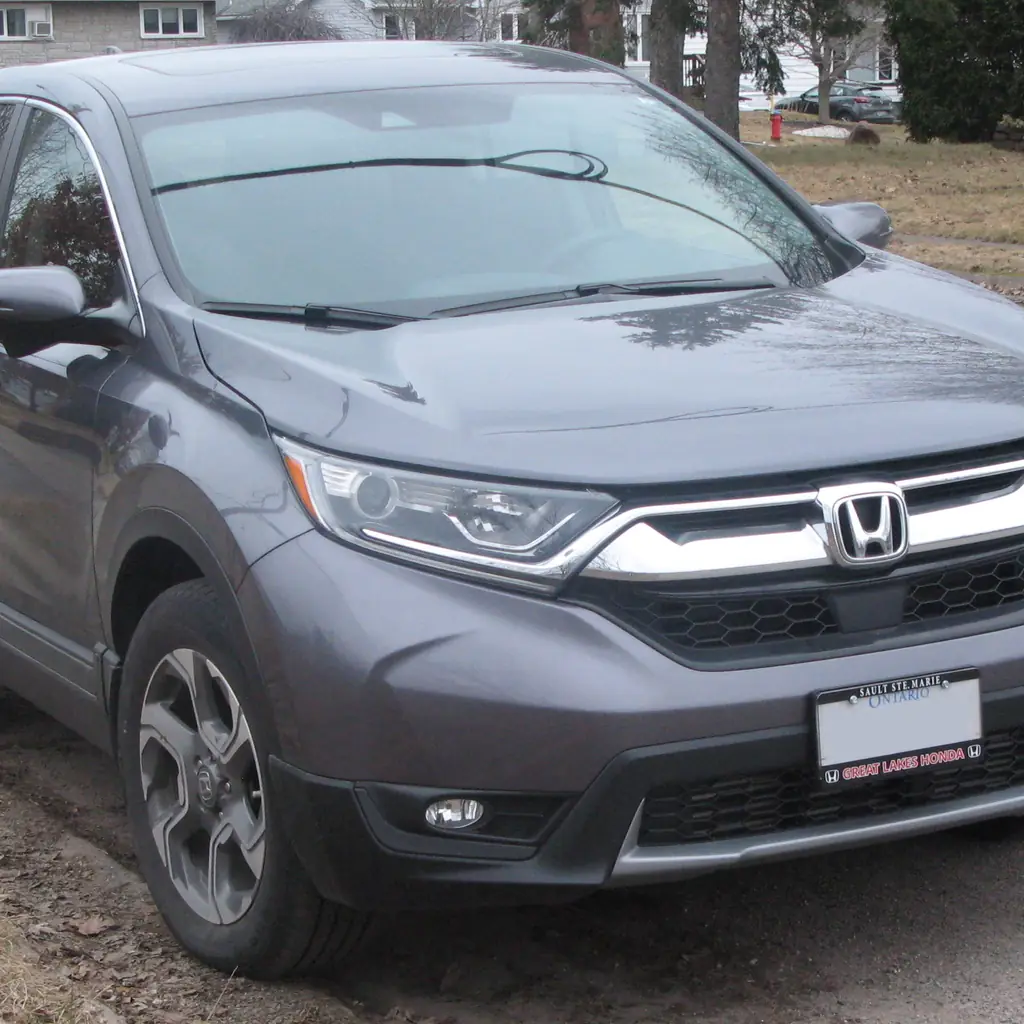
If you own one of these two, you drive the CR-V that owners complained about most. NHTSA records show 1,786 complaints for 2017 and 2,169 for 2018, with the engine at the top of both.
A complaint count is the number of reports filed, not a failure rate. Big sellers and older cars collect more. CarComplaints.com says owners of the new 1.5-liter turbo reported fuel in the oil and a gas smell, mostly in cold climates.
Honda’s answer came in 2019. Consumer Reports says it extended coverage on the camshaft, rocker-arm assemblies and spark plugs to six years from purchase with no mileage limit, and Honda called abnormal dilution “extremely rare.” For most owners that window has now closed.
Ask a dealer what your VIN has had done, and check nhtsa.gov/recalls.
19. Honda CR-V 2019: eight recalls, and one of the biggest complaint files
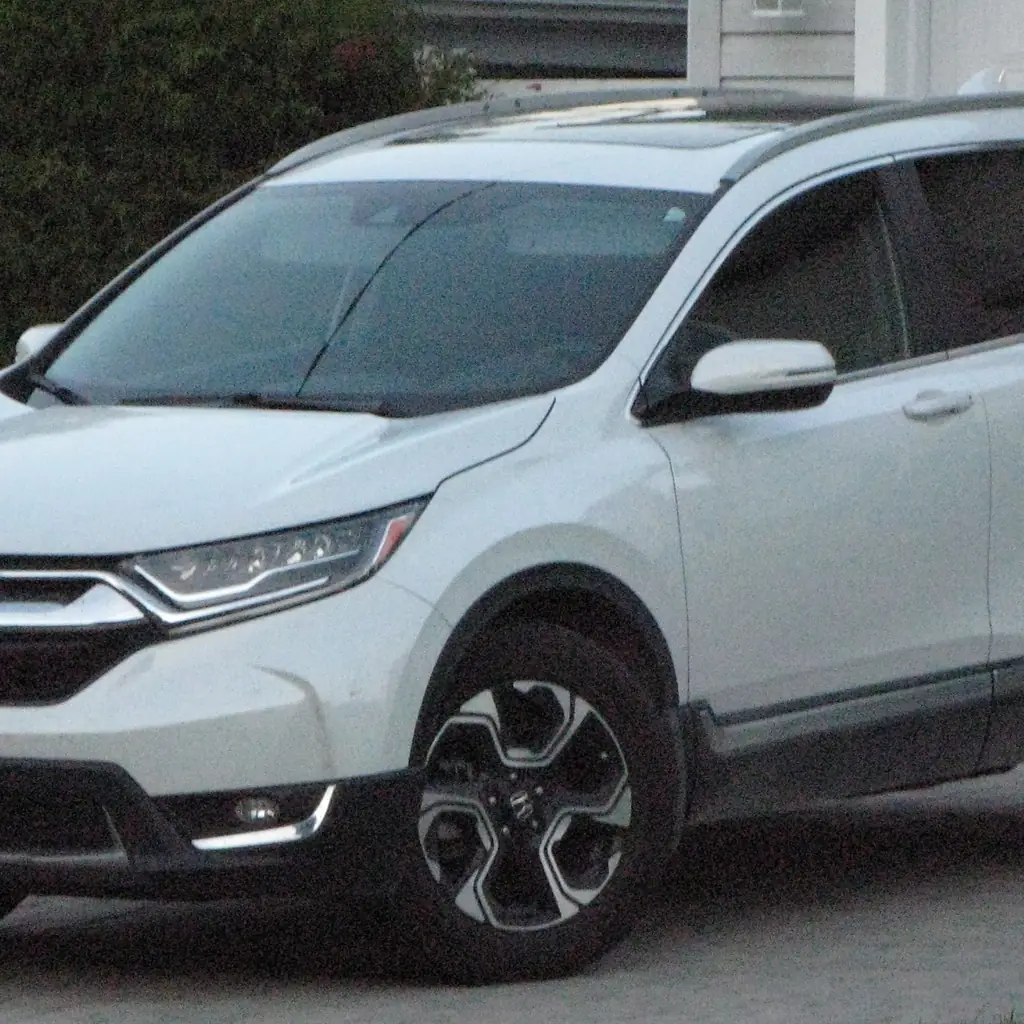
The 2019 sits right behind the 2017 and 2018 for complaints. NHTSA lists 1,111, with forward collision avoidance and steering at the top.
It also carries eight recall campaigns, including a rear subframe bolt recall on 2019 to 2020 cars. Dealers inspect and retorque or replace the bolts, free of charge. Others cover a fuel tank weld and a steering wheel clockspring.
Consumer Reports said Honda was updating 2019 engines before they went on sale, and the turbo warranty extension named only 2017 and 2018. If you own a 2019, run your VIN now. If you are buying one, ask for proof that each recall was done.
18. Honda CR-V 2007 to 2008: doors, air bags and electrics
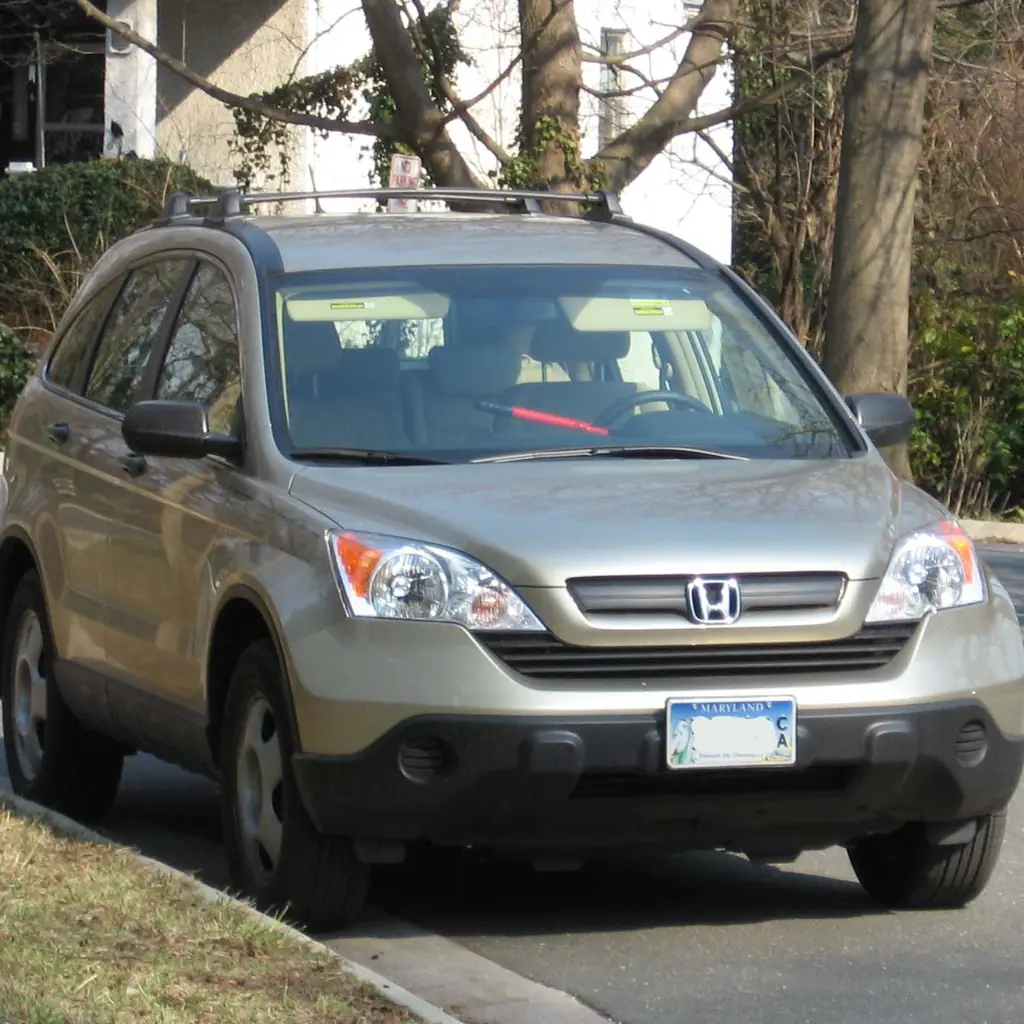
These are the most complained-about CR-Vs before 2017. NHTSA lists 888 for the 2007 and 963 for the 2008, led by air bags, electrical and door locks.
Honda redesigned the CR-V for 2007, with a drive-by-wire 2.4-liter engine and a top-hinged tailgate, according to Honda’s timeline. In January 2015 Honda announced new driver’s door lock actuators for all 2007 and 2008 models, per a dealer message.
Ask whether yours had the actuator done, and whether you have the paperwork. In 2014 Honda also extended coverage on the A/C compressor clutch for some 2007 to 2011 CR-Vs, according to a bulletin listed by CarComplaints.com. Ask a dealer whether yours still qualifies before you pay for a repair.
17. Honda CR-V 2011: the year one site calls its worst
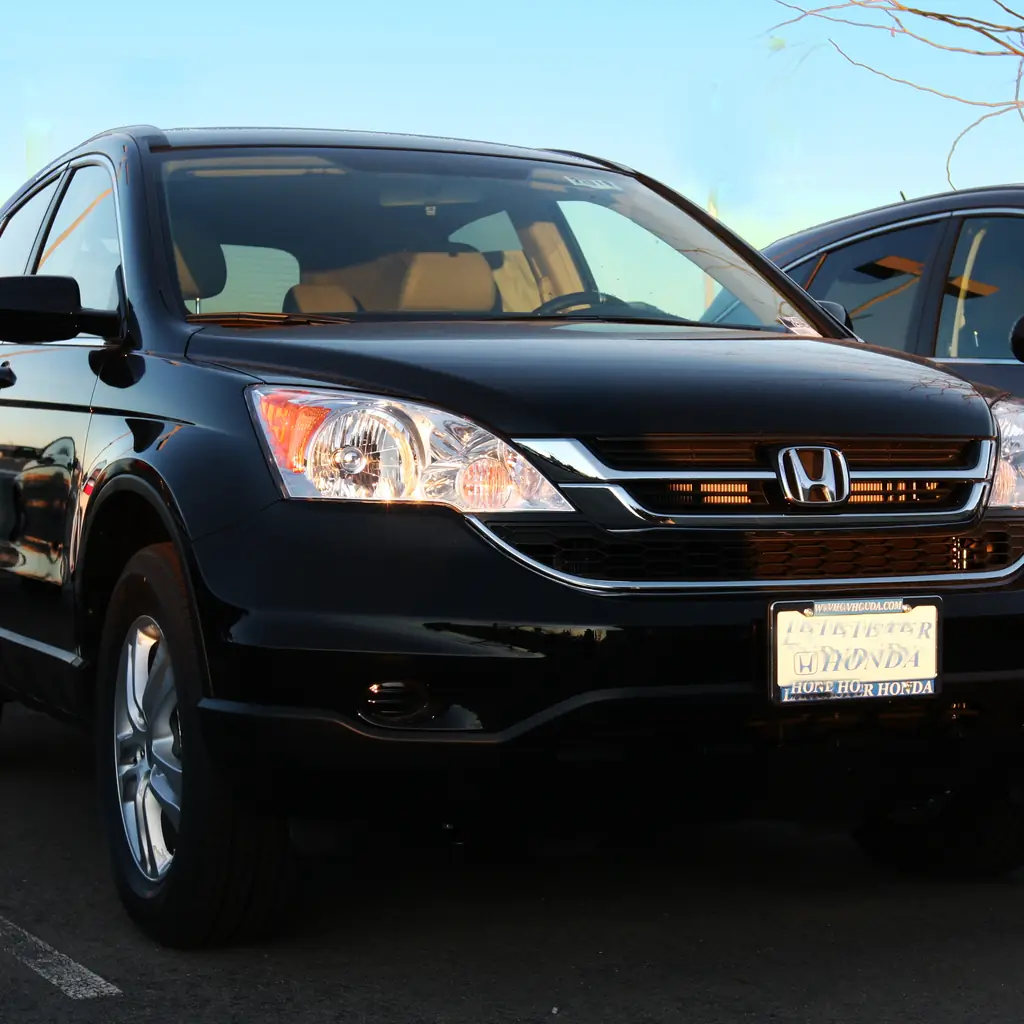
CarComplaints.com picks 2011 as its worst CR-V year, even though 2017 has more complaints. It says repair cost and problems at lower mileage weigh in.
NHTSA lists 555 complaints for 2011, and air bags lead at 295. Honda has run several air bag inflator recalls on 2007 to 2011 CR-Vs since 2016. The same site flagged engine revving while braking as an early defect trend, so mention it to your mechanic if you notice it.
If you live in a salt-belt state, check the 2023 frame recall. Honda recalled 2007 to 2011 CR-Vs sold or ever registered in states such as New York, Ohio and Michigan, plus Washington, D.C. Dealers inspect and brace or repair the rear frame, and Honda may offer to buy the car back.
16. Honda CR-V 2015: the year to test-drive for half an hour
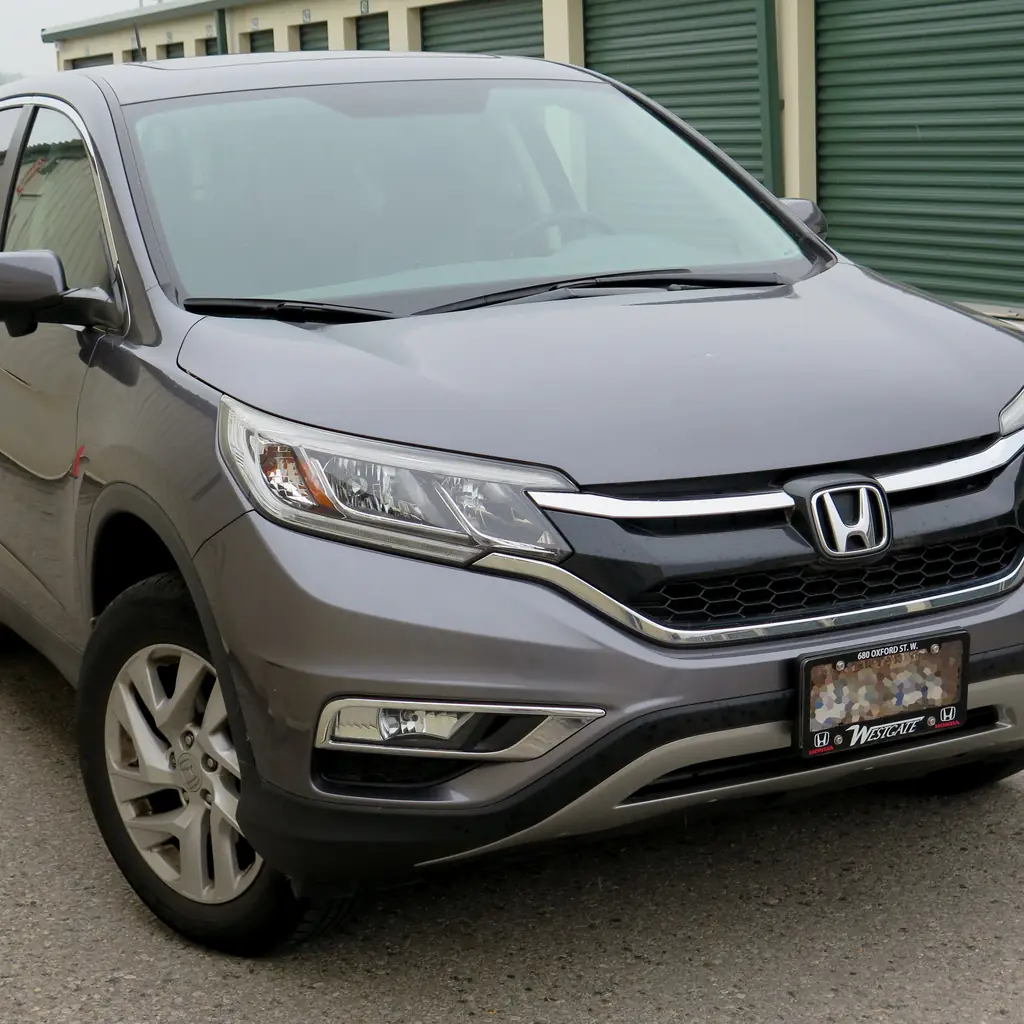
The 2015 is the year to take a long test drive. It got Honda’s first CR-V continuously variable transmission and a new direct-injected 2.4-liter engine, and MotorTrend named it Sport/Utility of the Year, says Honda’s timeline.
NHTSA lists 674 complaints, more than the 588 for 2014 or the 396 for 2016, and engine reports lead with 243. CarComplaints.com says owners reported shaking at idle and while driving.
Try yours at a stoplight and at highway speed, and tell the seller what you feel. Two engine recalls touch the 2015: one for connecting rod bolts on cars built from September 2014 to February 2015, where dealers replace the engine short block, and one for replacement engines with the wrong pistons. Check your VIN for both.
15. Honda CR-V 2014: watch for hesitation
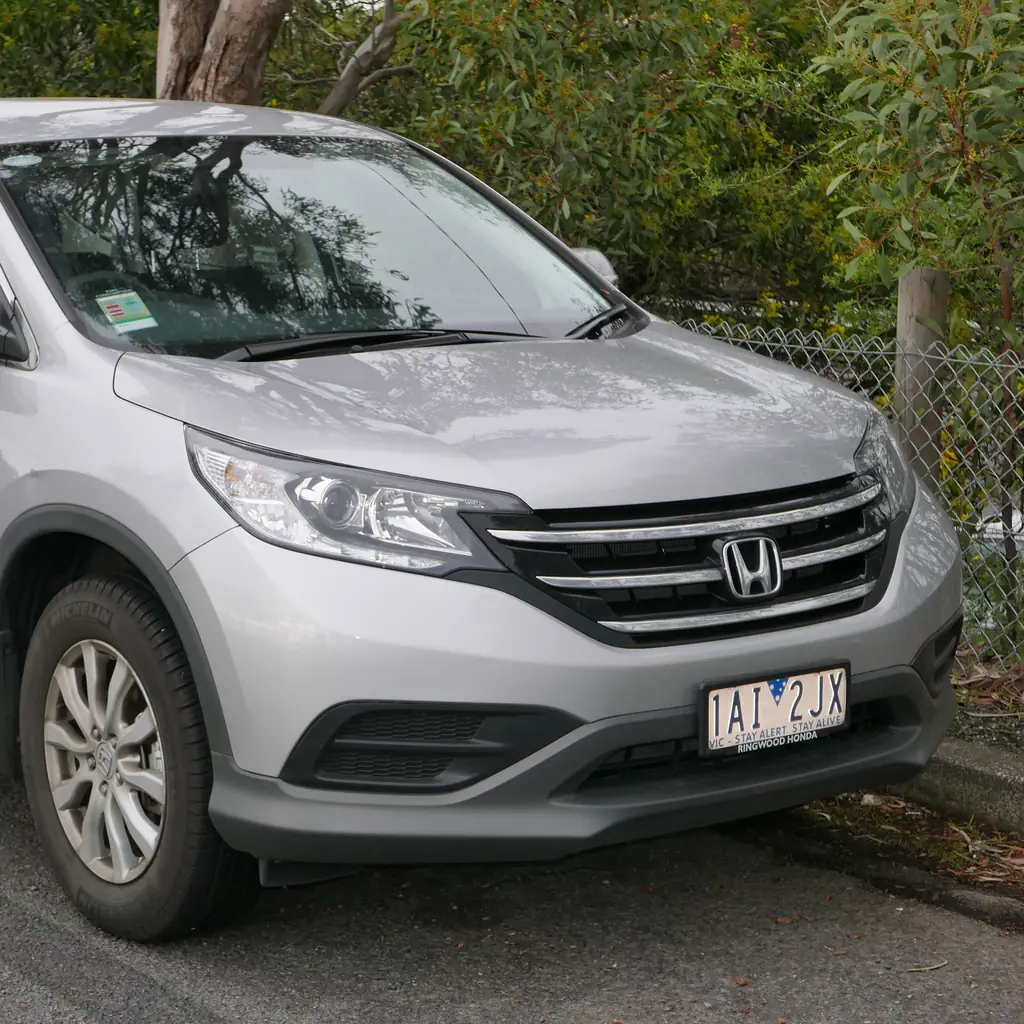
Your 2014 is the last CR-V before the direct-injected engine and CVT arrived. It collected 588 complaints, 191 of them about the engine.
CarComplaints.com says owners reported hesitation when accelerating, and that Honda’s software update did not fix it for many. Its only recall is the fuel pump campaign shared with many Hondas.
Press the pedal firmly from a stop on your test drive. Then ask for the service record, since a 2014 with one is a very different car. If you own one already, keep that record in the glove box.
14. Honda CR-V 2002: lots of recalls, most of them old news
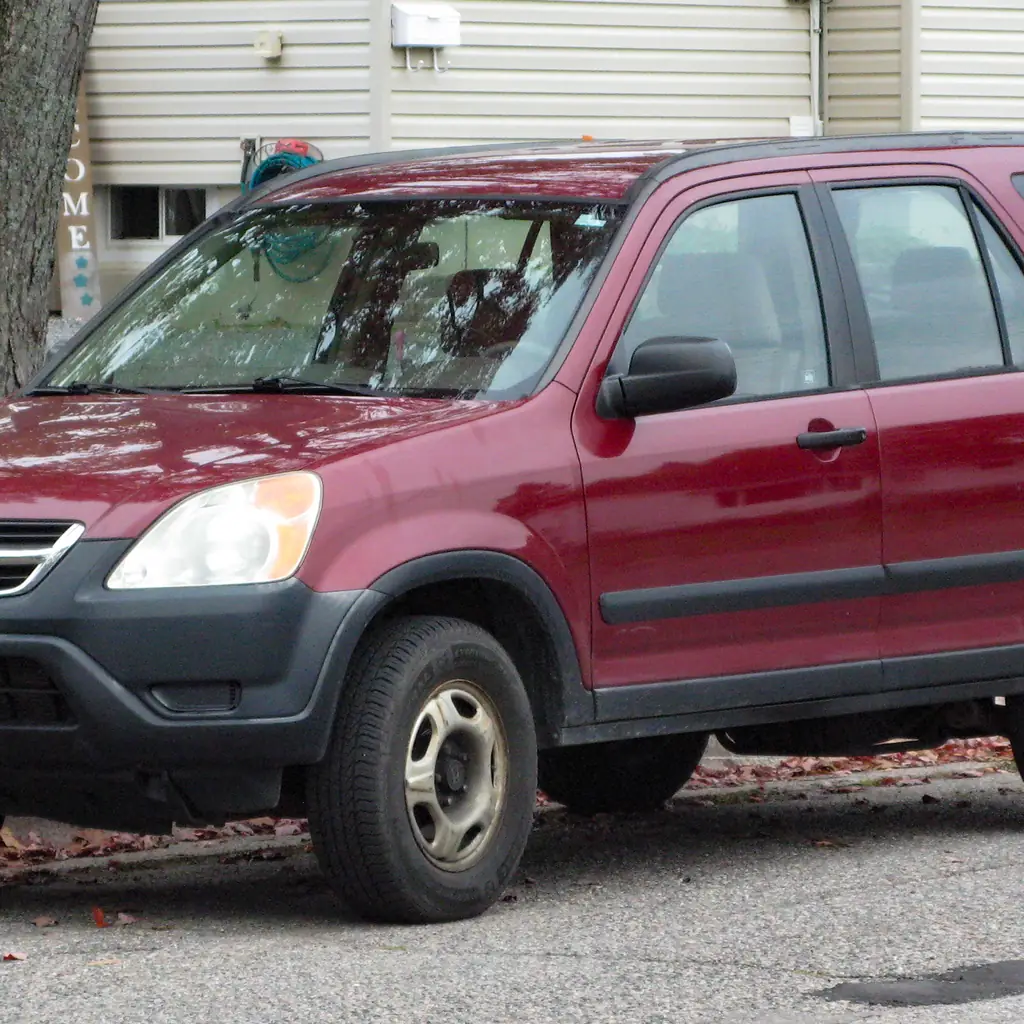
The 2002 starts the second generation, with a 160-horsepower 2.4-liter i-VTEC engine and front side air bags, available on the LX and standard on the EX. NHTSA lists 527 complaints and 16 recall campaigns for it.
Most of those campaigns are air bag inflator recalls shared with many Hondas. Model-specific ones include a power window switch recall on 2002 to 2006 CR-Vs, where the driver’s switch may fail or melt, and a headlight switch recall on 2002 to 2004.
CarComplaints.com’s top report for this year is an A/C that stopped working, about $1,700 at 115,000 miles. If you love older Hondas, our look at older Honda features that made everyday ownership easier shows why you are not alone.
13. Honda CR-V 2010: a facelift and some oil questions
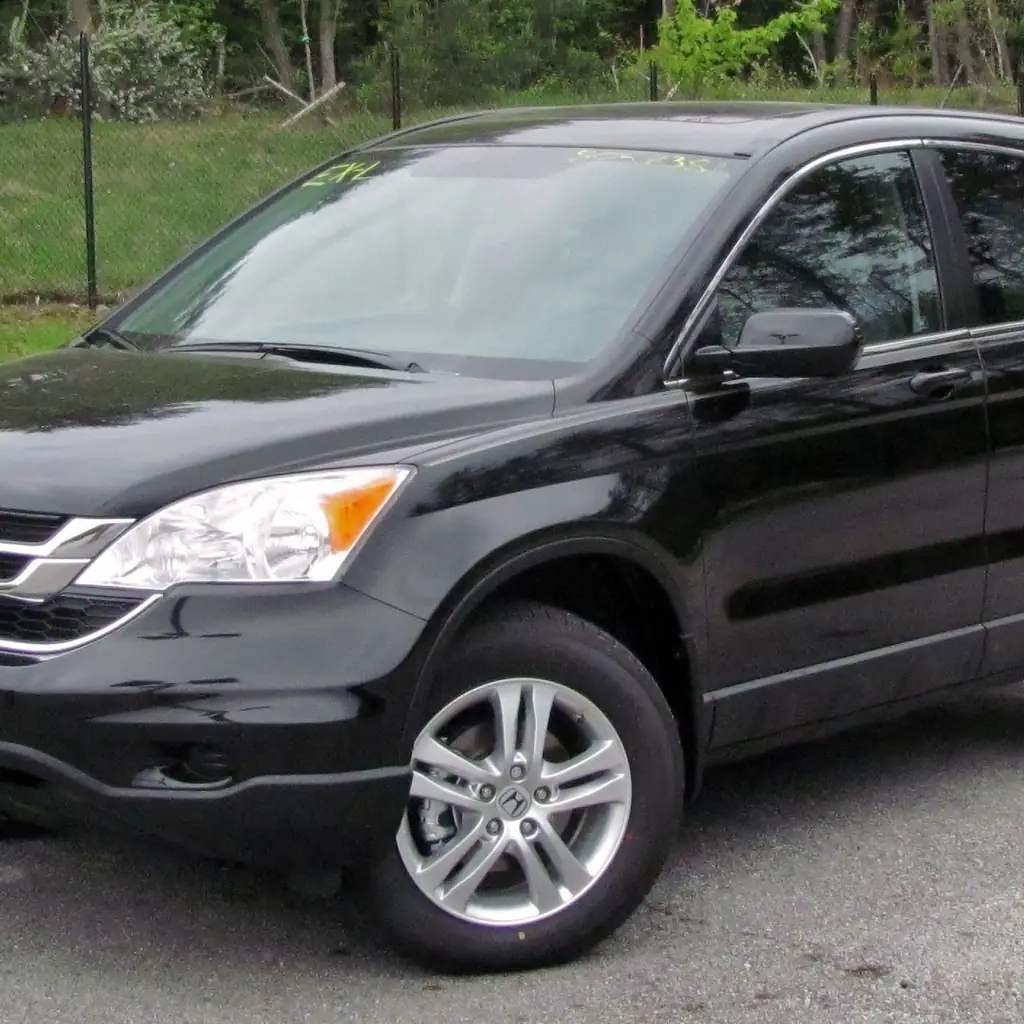
For 2010 Honda refreshed the front end and raised the engine to 180 horsepower, up 14. NHTSA lists 483 complaints and 15 recalls, with air bags first at 217.
CarComplaints.com lists excessive oil consumption among the CR-V’s top problems for 2010, at about $2,500 and 83,000 miles on average. That is owner reports, not a Honda finding.
Check your dipstick between oil changes and write down what you find. If a light comes on, our CR-V warning light guide helps you tell a minor one from an urgent one.
12. Honda CR-V 2023: a new generation and a steering recall
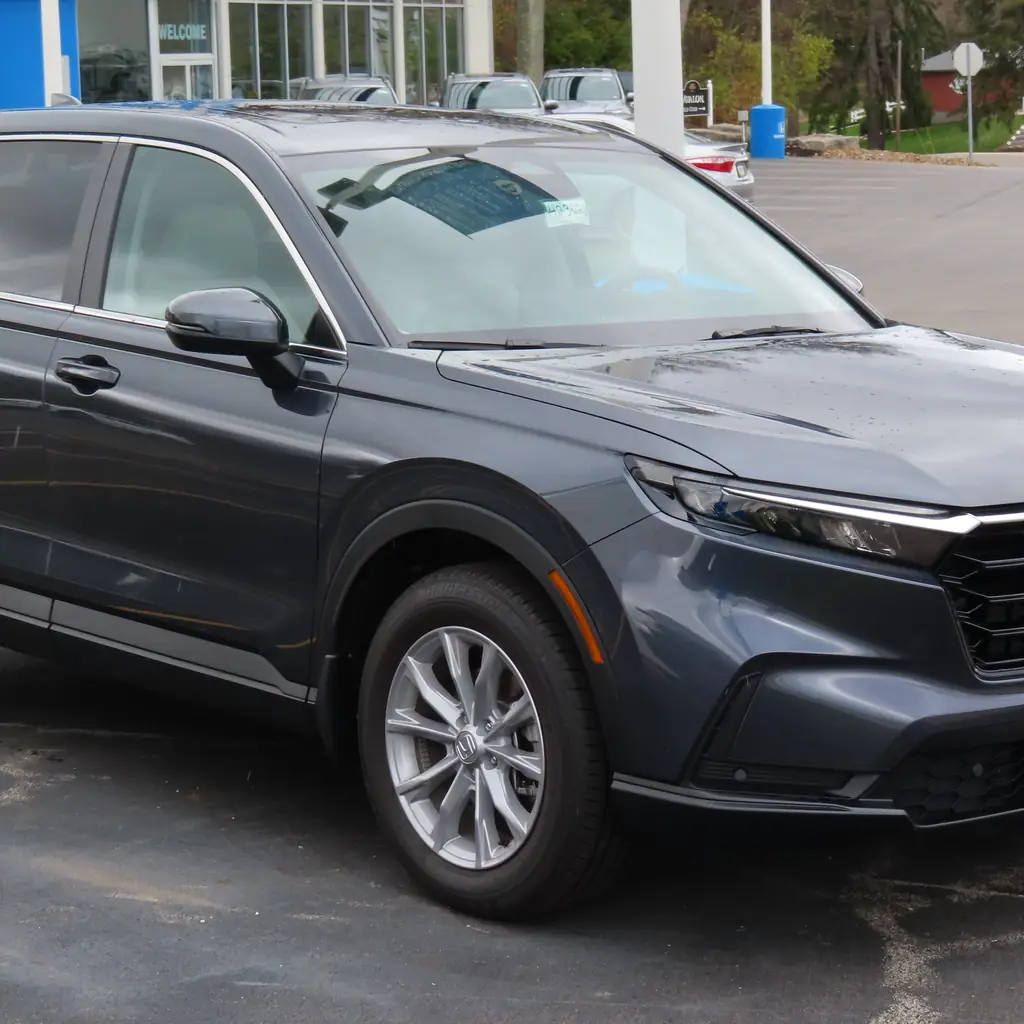
The sixth generation arrived for 2023, with a hybrid that Honda says makes up about half of CR-V sales. NHTSA lists 520 complaints, and steering leads by a wide margin at 326.
Honda’s steering recall covers 2023 to 2025 CR-Vs. The steering gearbox may have too much internal friction, which makes steering hard. Dealers replace a spring and add grease, free of charge.
The 2023 also had a front passenger seat back weld recall. Check your VIN at nhtsa.gov/recalls and book the fix before it matters.
11. Honda CR-V 2009: a quieter year than its neighbors
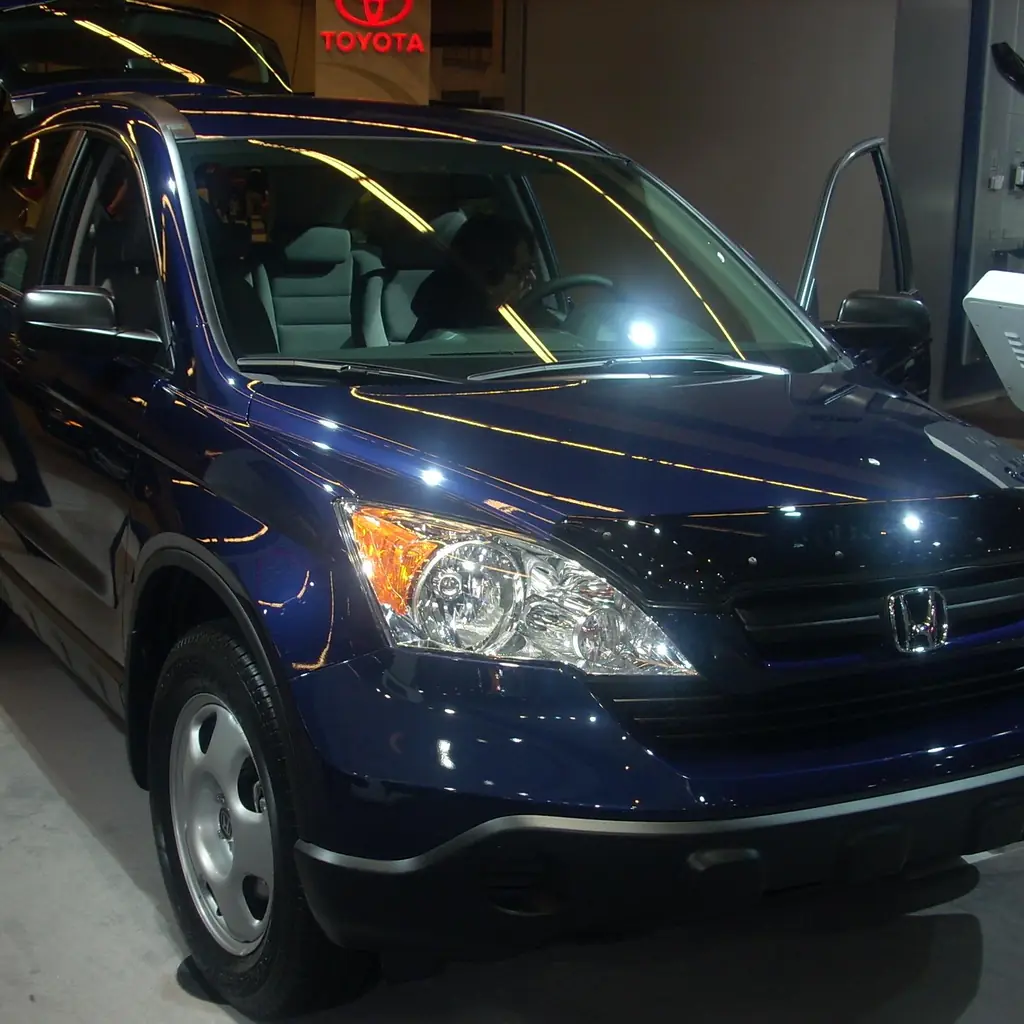
The 2009 drew 386 complaints, far fewer than the 888 and 963 for 2007 and 2008. That is the second-lowest count for any year from 2002 to 2016.
It still carries 12 recall campaigns, mostly air bag inflators. A 2011 transmission software recall also covered 2007 to 2010 CR-Vs, and some 2009s were included in Honda’s door lock update.
If you are shopping, a 2009 with complete records looks better on paper than the years on either side of it. Ask the seller for the invoices, and ask whether the frame recall was done if the car came from a salt state.
10. Honda CR-V 2003 to 2004: early second generation
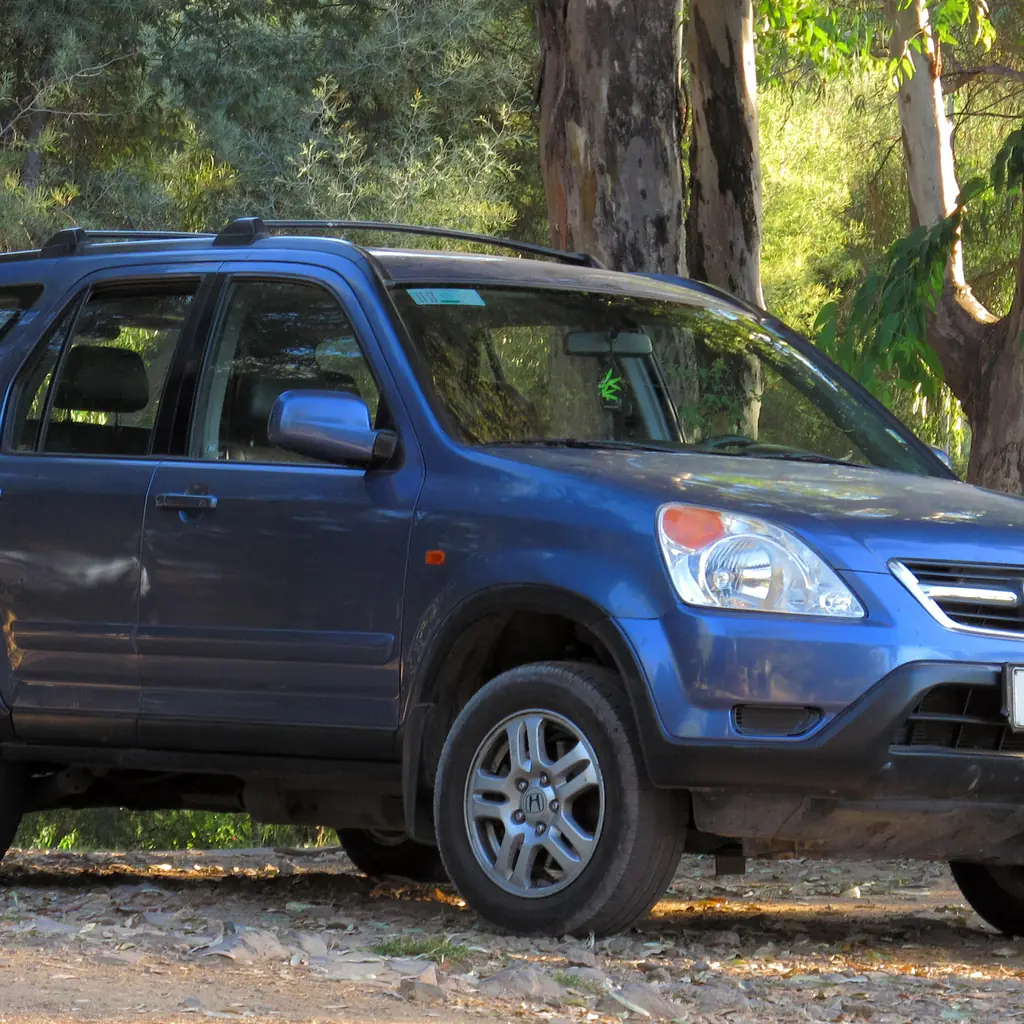
NHTSA lists 494 complaints for 2003 and 501 for 2004, and the 2004’s top category is engine at 142. Both still had a four-speed automatic, which gave way to a five-speed in 2005.
Each year has 13 or 14 recall campaigns, again mostly inflators, plus the window and headlight switch recalls. They are free repairs if they are still open on your car.
You are looking at a car over 20 years old. A mechanic’s inspection will tell you more than any complaint count can.
9. Honda CR-V 2024: too new to judge fully
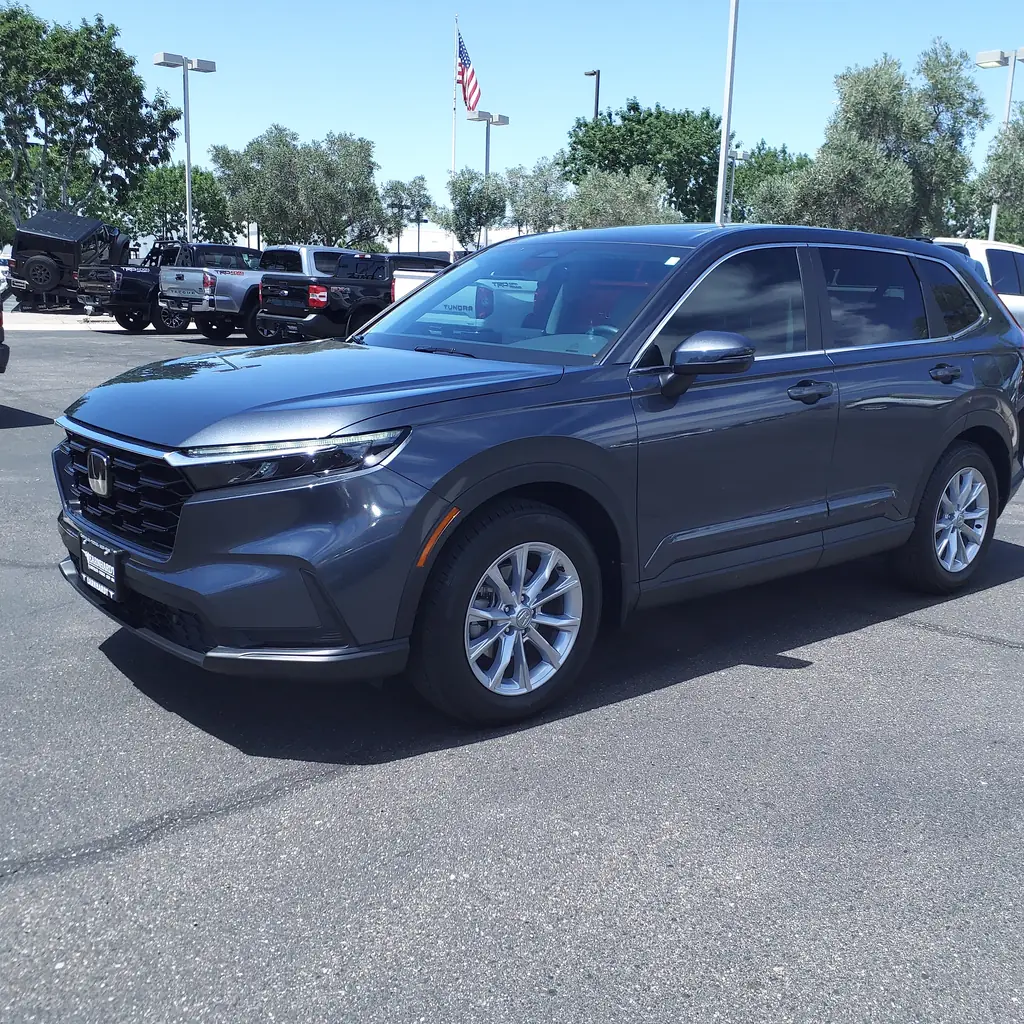
NHTSA lists 397 complaints for 2024, and steering is the top category at 127. It has had two recalls so far: a tire label date code, and the steering gearbox recall that also covers 2023 and 2025.
Its record is short because your car is young, or the one you are eyeing is. Fewer reports can simply mean fewer miles and less time, not a better car. You can read it as a good start, not a verdict.
Spend ten minutes in your settings menu. Our guide to car buttons and settings that do more than you might expect is a good place to start.
8. Honda CR-V 2005 to 2006: more safety, a few quirks
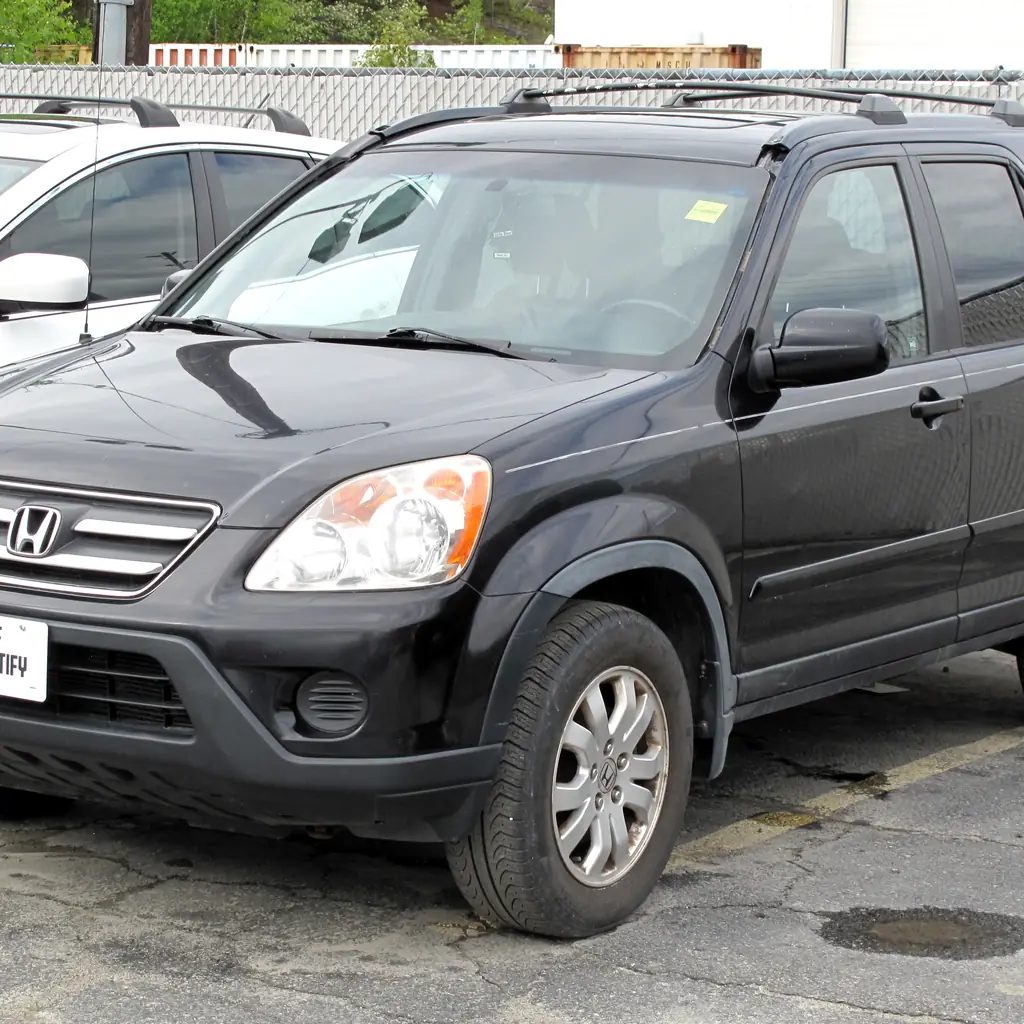
For 2005 Honda made the five-speed automatic standard and put side curtain air bags and stability control on every CR-V, says its timeline. NHTSA lists 479 complaints for 2005 and 398 for 2006.
Exterior lighting leads both years, at 122 and 118 reports. The power window switch recall covers these years too.
The 2006 has the lowest count of the second generation. For a car this old, that is a fair sign, though you should still have the lights and window switch checked.
7. Honda CR-V 2012: a fresh redesign with a few early recalls
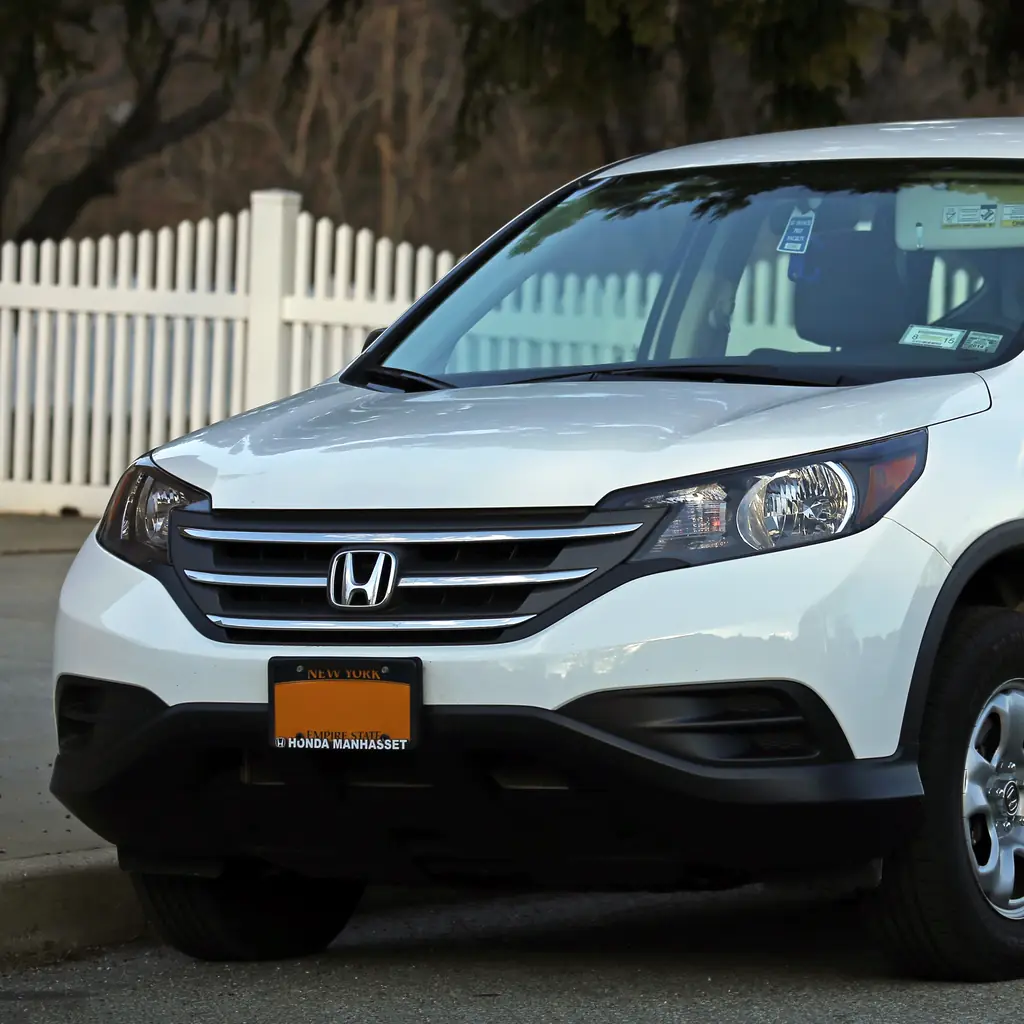
The 2012 brought the fourth generation, with 185 horsepower, a standard multi-angle rearview camera and Bluetooth. NHTSA lists 403 complaints, with the engine at 89. You are in a well-liked generation.
It had three recalls: a door lock one, a label error on a short build run, and a cold-weather brake-shift interlock one shared with 2013. CarComplaints.com lists dead batteries and a grinding noise at start-up among its top reports.
If yours grinds at start-up, tell your mechanic early. Ask for the battery test results too, since a weak battery can cause odd electrical behavior.
6. Honda CR-V 2025: promising, but it has had little time
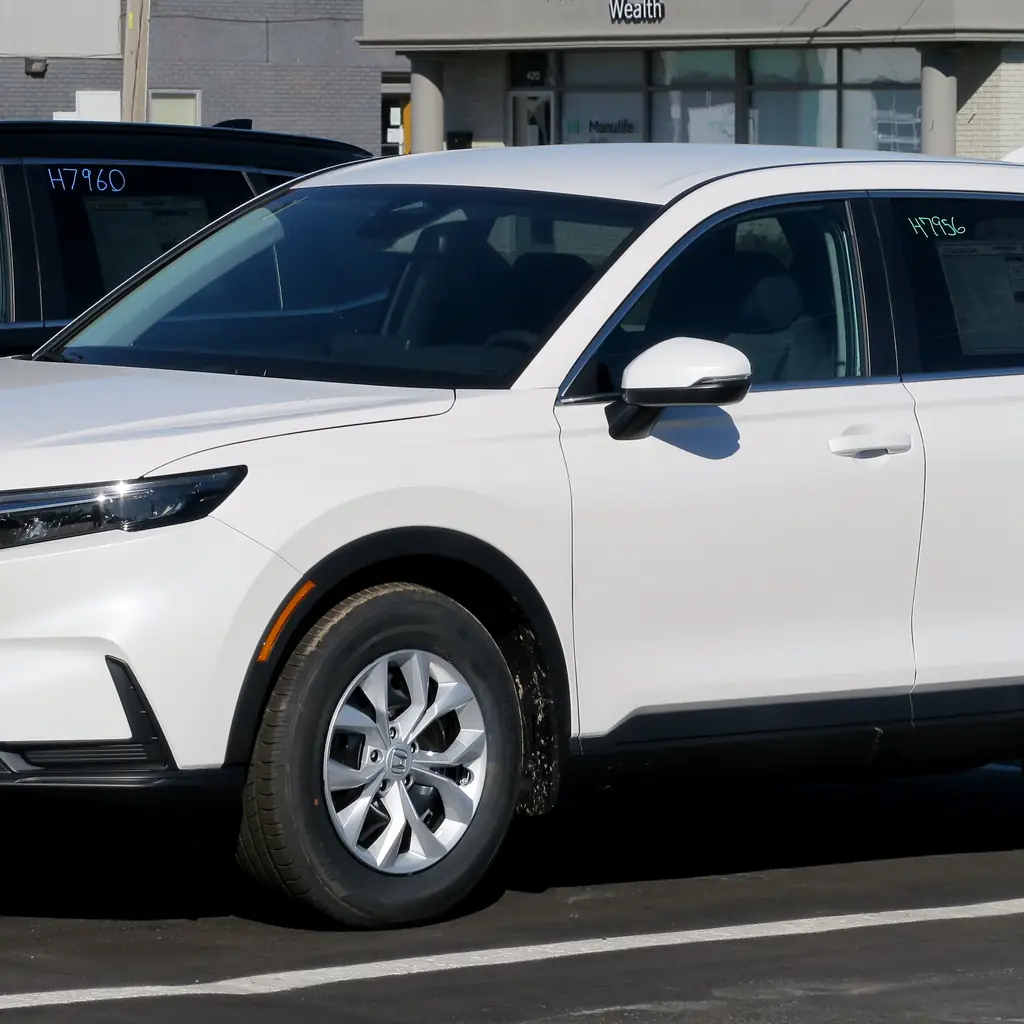
The 2025 has 271 complaints, tied for the lowest on the list, and only one recall, the steering gearbox one. Steering is also its top complaint category, at 60.
The 2025 is the newest model year here, so it has had the least time to collect reports. That is why it sits mid-table rather than near the top.
Keep your paperwork together and check your VIN once a year. It costs you nothing, and recalls can arrive after you buy.
Read more: What Your CR-V’s Controls Actually Do, From Brake Hold to the B1 Reminder
5. Honda CR-V 2020: a big refresh and the first hybrid
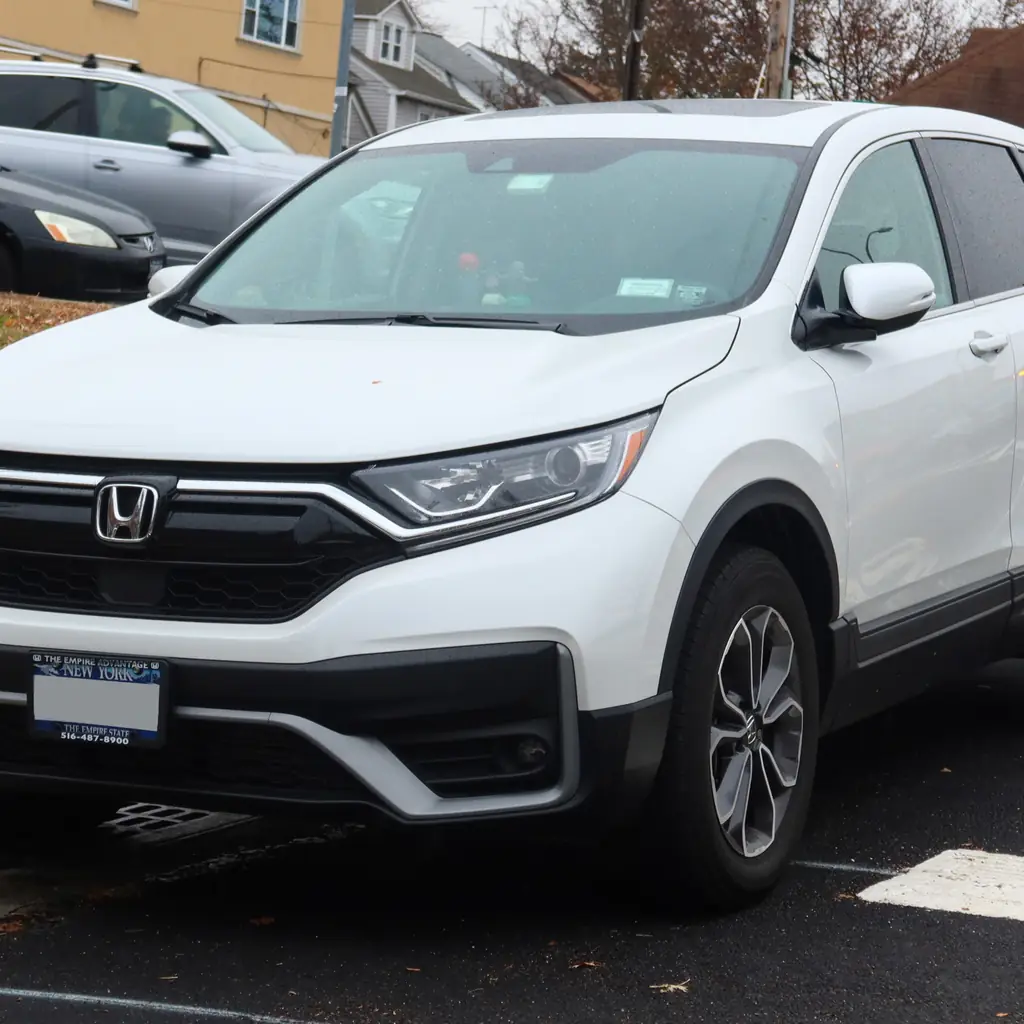
The 2020 added Honda’s first CR-V hybrid, made Honda Sensing standard on every trim and put the turbo on the base LX, per Honda’s timeline. Complaints fell to 363 from 1,111 for 2019.
It still has seven recall campaigns, including the shared rear subframe bolt recall and a fuel tank clip. All are free fixes at a Honda dealer. Honda also lists a 10-year, no-mileage-limit warranty extension on the A/C compressor shaft seal for certain 2017 to 2022 CR-Vs, per a bulletin on CarComplaints.com.
Your 2020 came with a lot of equipment for the money. Keep the recall paperwork in your glove box so you can show it at resale.
4. Honda CR-V 2021: carries on the 2020 refresh
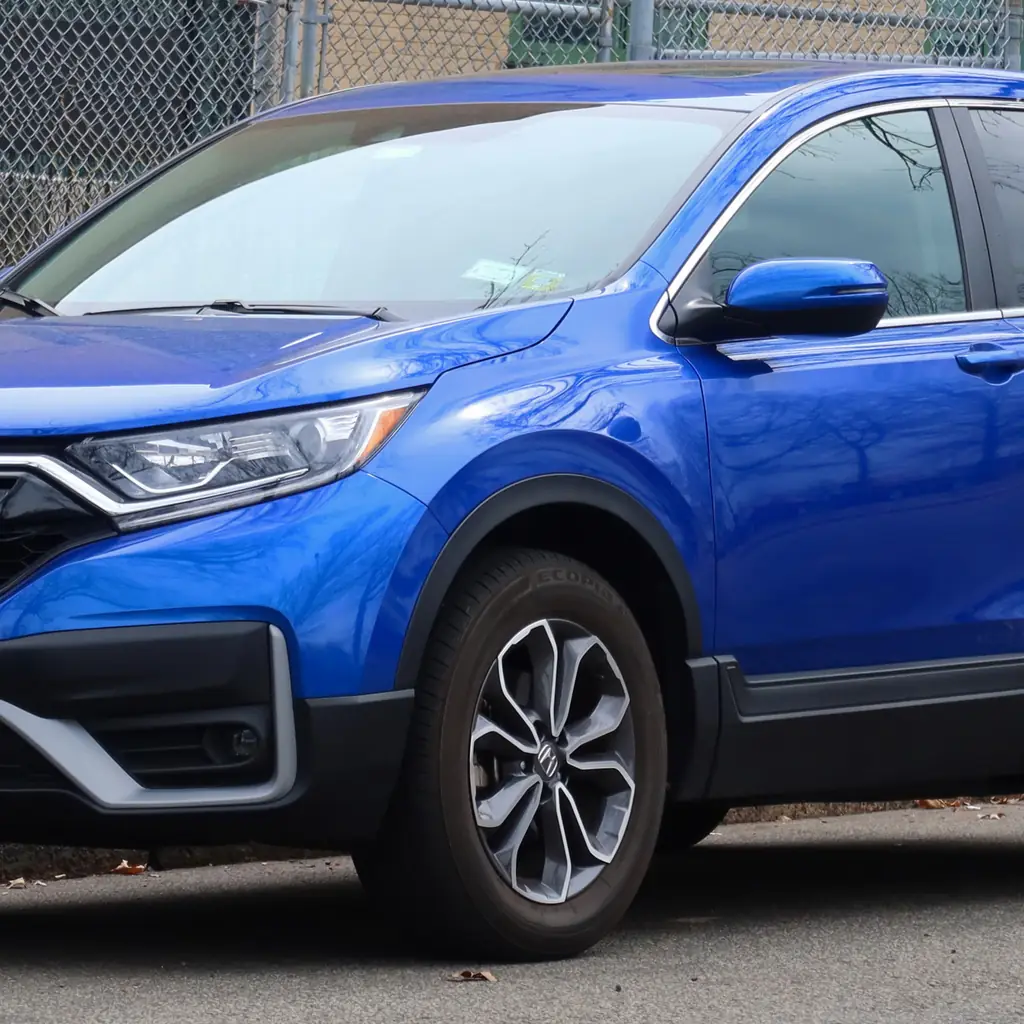
The 2021 uses the same engines as the 2020, per Honda’s timeline. NHTSA lists 344 complaints, with steering at 117 and forward collision avoidance at 89.
It has four recall campaigns, including a rear seat belt retractor recall. That is fewer open items than the 2020 and 2019 had.
If you are shopping for a late fifth-generation CR-V, this is a sensible place to start. Run your VIN before you hand over a deposit. If you also drive a Pilot, our Honda Pilot seat and cargo guide is worth a look.
3. Honda CR-V 2022: low complaints, one thing to check
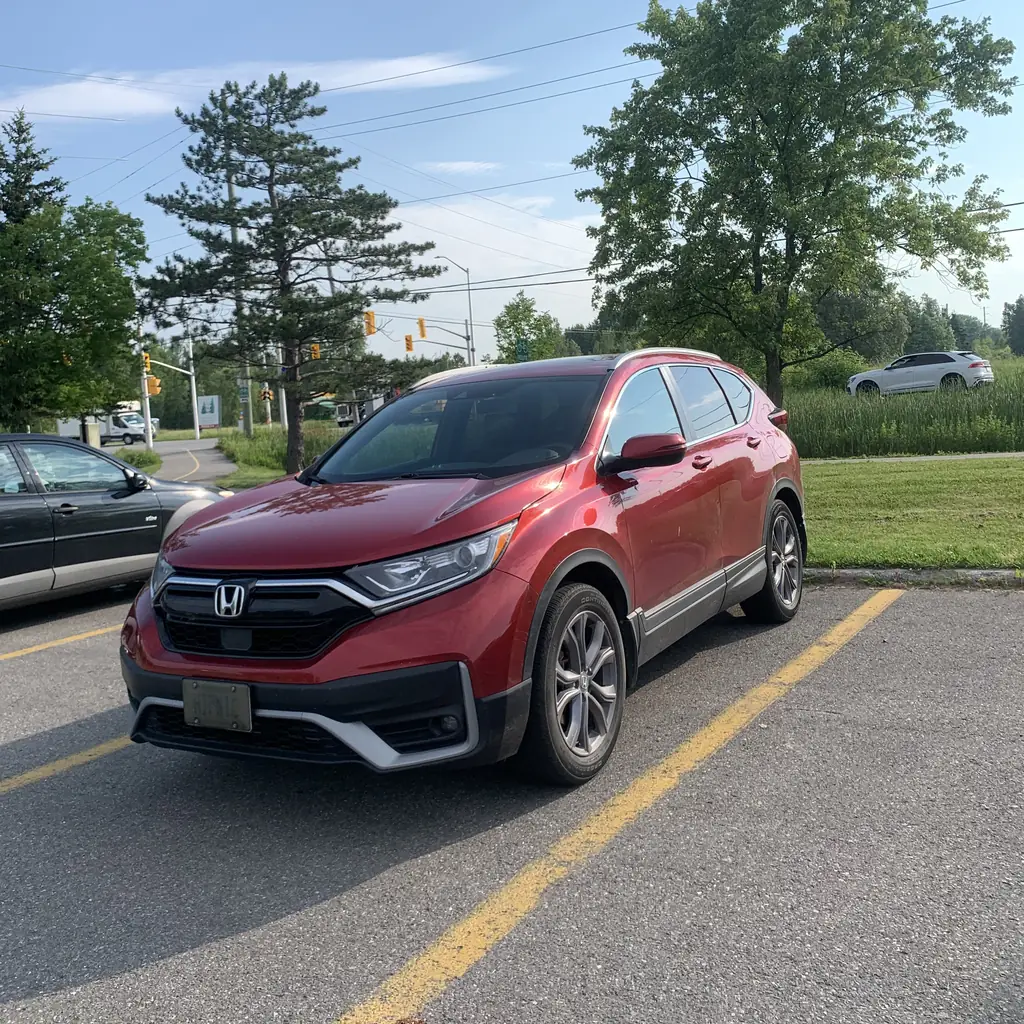
The 2022 has only 271 complaints, tied for the lowest of any year. Steering is the largest category at 144 of them.
The steering recall lists 2023 to 2025 CR-Vs and not 2022, so ask a dealer if your steering ever feels sticky. Its three recalls are a door certification label, the fuel pump and an occupant sensor.
If you are also cross-shopping the Toyota, our RAV4 Hybrid tips and hidden features gives you a fair comparison.
2. Honda CR-V 2016: the best of the fourth generation

The 2016 has 396 complaints after ten years on the road, well below the 674 for 2015. Honda’s timeline says the CR-V was America’s best-selling SUV for the fifth year in a row.
It had three recalls: wrong pistons on cars that got a replacement engine, a driver air bag inflator on a short build run, and the fuel pump.
It shares the 2015’s engine and transmission, so do your own test drive. For the model overall, RepairPal rates the CR-V second of 26 compact SUVs, with an average annual repair cost of $407.
Read more: Honda CR-V Dashboard Warning Lights (All Models 2001 to 2024)
1. Honda CR-V 2013: the cleanest long record
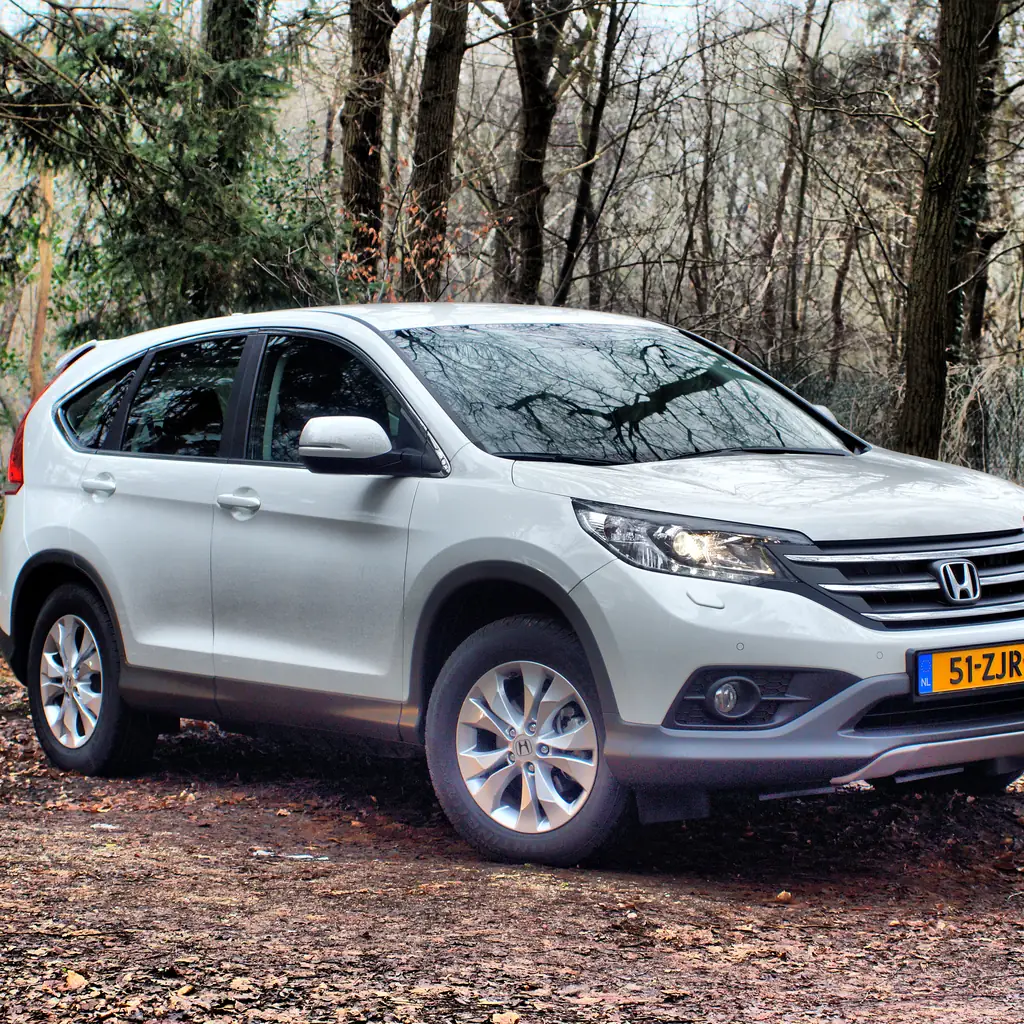
The 2013 has 382 complaints, the lowest count of any CR-V from 2002 to 2016, after 13 years on the road. It has only two recalls: a cold-weather brake-shift interlock fix and the shared fuel pump campaign.
It uses the older 2.4-liter engine and five-speed automatic, with 185 horsepower. Engine and transmission reports sit at 97 and 95.
Check underneath for rust, since salt hurts frames. Across all years, iSeeCars gives the CR-V a 12.7% chance of reaching 250,000 miles, against 5.4% for the average car in its 2026 study.
Sources
- NHTSA complaint records, 2017 CR-V
- NHTSA recall 23V-228 (frame corrosion)
- NHTSA recall 24V-744 (steering gearbox)
- NHTSA recall 19V-865 (rear subframe bolts)
- NHTSA recall 12V-486 (power window switch)
- Honda News: Honda CR-V timeline and milestones
- Consumer Reports: Honda extends warranty on troubled turbo engines
- CarComplaints.com: Honda CR-V overview
- CarComplaints.com: 2017 CR-V
- CarComplaints.com: 2015 CR-V
- CarComplaints.com: 2014 CR-V
- CarComplaints.com: 2012 CR-V
- CarComplaints.com: 2007 CR-V door lock dealer message
- CarComplaints.com: 2007 CR-V A/C compressor clutch bulletin
- CarComplaints.com: A/C compressor shaft seal bulletin A23-040
- RepairPal: Honda CR-V reliability
- iSeeCars: longest-lasting cars study
Image sources and credits
- Image 1: File:2017 Honda CR-V EX, Front Right, 04-04-2021.jpg by SsmIntrigue, CC BY-SA 4.0. Cropped and resized.
- Image 2: File:2019 Honda CRV Touring, Front Left, 09-20-2020.jpg by SsmIntrigue, CC BY-SA 4.0. Cropped and resized.
- Image 3: File:2007 Honda CR-V LX.jpg by IFCAR, Public domain. Cropped and resized.
- Image 4: File:2011 Honda CR-V (5340015473).jpg by Rennett Stowe from USA, CC BY 2.0. Cropped and resized.
- Image 5: File:2015 Honda CR-V EX-L in Modern Steel Metallic, Front Right, 09-04-2022.jpg by Elise240SX, CC BY-SA 4.0. Cropped and resized.
- Image 6: File:2014 Honda CR-V (RM MY15) VTi 2.0 2WD wagon (2015-07-24) 01.jpg by OSX, Public domain. Cropped and resized.
- Image 7: File:2002 Honda CR-V LX 4WD in Chianti Red Pearl, front left, 2020-10-02.jpg by Elise240SX, CC BY-SA 4.0. Cropped and resized.
- Image 8: File:2010 Honda CR-V EX-L — 04-24-2010.jpg by IFCAR, Public domain. Cropped and resized.
- Image 9: File:2023 Honda CR-V EX-L AWD, front right, 11-13-2022.jpg by MercurySable99, CC BY-SA 4.0. Cropped and resized.
- Image 10: File:'09 Honda CR-V (MIAS).JPG by Bull-Doser, Public domain. Cropped and resized.
- Image 11: File:Honda CR-V 2.4 EX 2003 (30478611343).jpg by RL GNZLZ from Chile, CC BY-SA 2.0. Cropped and resized.
- Image 12: File:24 Honda CR-V EX-L.jpg by HJUdall, CC0. Cropped and resized.
- Image 13: File:2006 Honda CR-V EX in Nighthawk Black Pearl, Front Left, 05-22-2022.jpg by Elise240SX, CC BY-SA 4.0. Cropped and resized.
- Image 14: File:2012 Honda CR-V front left, low spec.jpg by Mr.choppers, CC BY-SA 3.0. Cropped and resized.
- Image 15: File:2025 Honda CR-V LX 2WD in Platinum White Pearl, front left, 2024-09-29.jpg by Elise240SX, CC BY-SA 4.0. Cropped and resized.
- Image 16: File:2020 Honda CR-V EX-L (facelift), front 11.30.21.jpg by Kevauto, CC BY-SA 4.0. Cropped and resized.
- Image 17: File:2021 Honda CR-V EX (facelift), front 3.24.23.jpg by Kevauto, CC BY-SA 4.0. Cropped and resized.
- Image 18: File:2017-2022 Honda CR-V Facelift (Front).jpg by Sebsoare2511, CC0. Cropped and resized.
- Image 19: File:Honda CRV 2016 EX-L AWD Front view.jpg by NavinS, CC BY-SA 4.0. Cropped and resized.
- Image 20: File:2013 0226 Honda CR-V 030 BW01.jpg by Ted Sluymer, CC BY-SA 4.0. Cropped and resized.