

Editor's note: This list is based on published studies, manufacturer specifications and public records from the sources named in the article. It is not a rating of any individual car. More
Figures change with model year, trim and location, and the studies are updated every year, so check the current data and your own vehicle before you buy, sell or repair. The author has not tested every vehicle discussed. Most photos are credited Wikimedia Commons images and may show a different model year or trim; any marked for illustration are AI-generated.
Your choice of car can change your insurance bill by more than $450 a year. In Insurance.com’s March 2026 study, the cheapest new car to insure averaged $1,932 a year for full coverage, while a Toyota Camry averaged $2,400.
Those are averages for a 40-year-old driver, so your own quote will differ. Count down to the car that costs you the least.
15. Honda Pilot: the only three-row SUV, and the priciest here
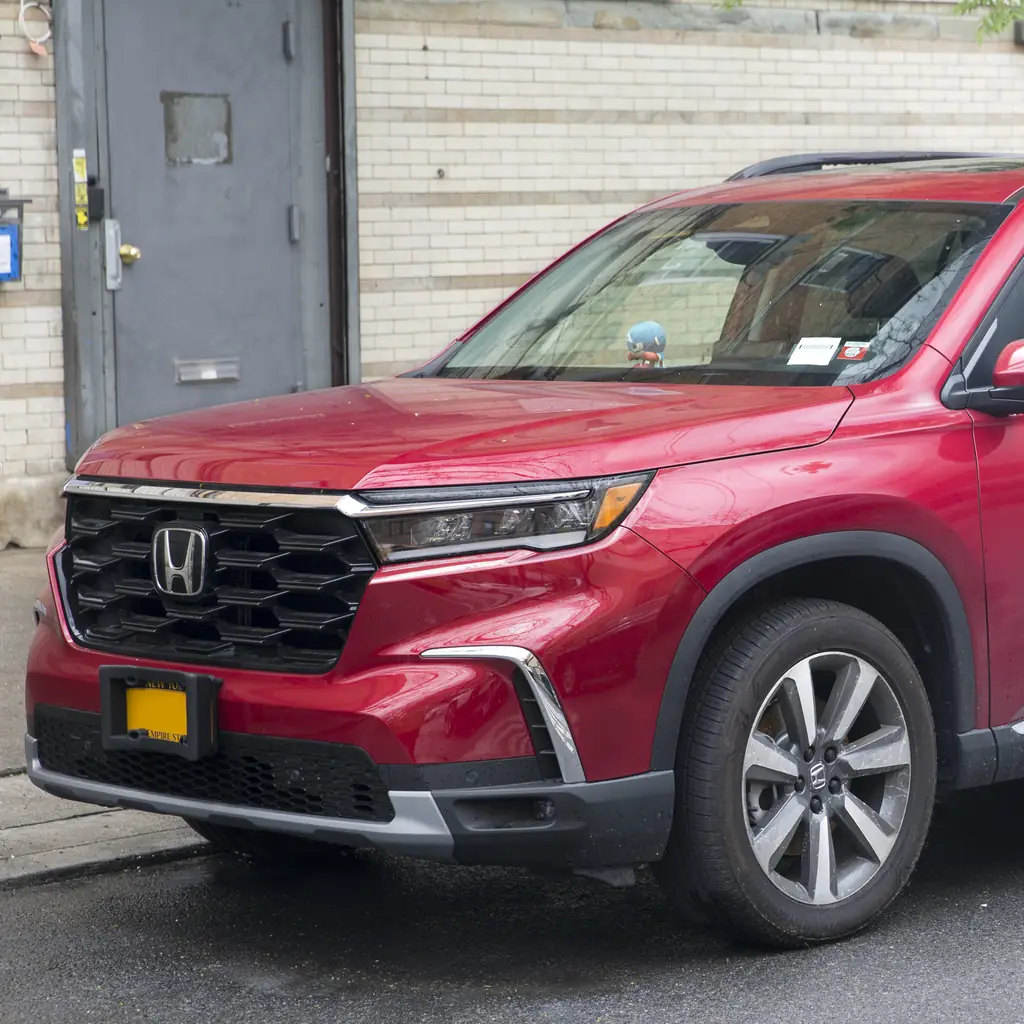
The Pilot is the only three-row SUV on this list, and it costs the most to insure of the 15. Insurance.com puts it at $2,076 a year, or $173 a month.
Every rank here comes from one source: the average full-coverage premium in Insurance.com’s March 2026 tables. Those tables price a 40-year-old with good credit and a clean record, with $500 deductibles and 10,000 miles a year.
Insurance.com prints a top ten for all vehicles, then separate sedan, SUV and truck tables. Items 11 to 15 come from the SUV table, and the Chevrolet Express work van is left out.
Other big SUVs cost more. The Toyota Highlander averages $2,253 a year and the Ford Explorer $2,357. If you haul grandchildren or golf bags, the Pilot’s $144 gap to the cheapest car here may feel fair.
Mileage is where you pay instead. The EPA rates the 2026 Pilot at 22 mpg combined, or 21 with all-wheel drive.
14. Kia Sportage: a safety award for $172 a month
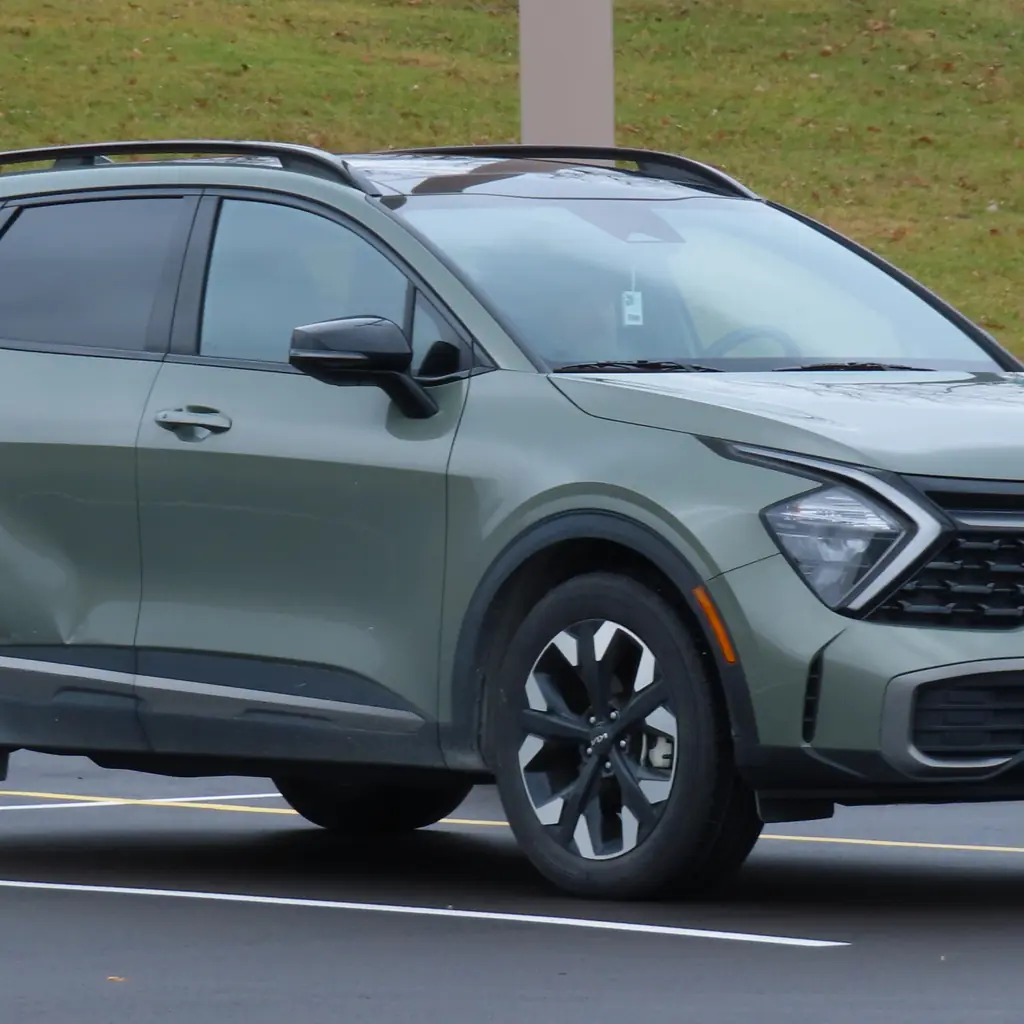
The Sportage gives you an IIHS award for $2,069 a year, which works out to $172 a month. Not every SUV on this list can say that.
The IIHS named the 2026-27 Sportage a Top Safety Pick+, but only for vehicles built after May 2025. If you are shopping a leftover or a used one, ask the dealer for the build date before you count on the award.
Rivals cost more. In the same study the Ford Escape averages $2,113 a year and the Nissan Rogue $2,314.
Gas Sportages get 28 mpg combined in front-drive form and 26 with all-wheel drive, per the EPA. The front-drive hybrid is rated 42. Insurance.com’s table shows one Sportage average, so ask for a quote on the exact version you plan to buy.
13. Toyota Corolla Cross: $334 a year cheaper than a Camry
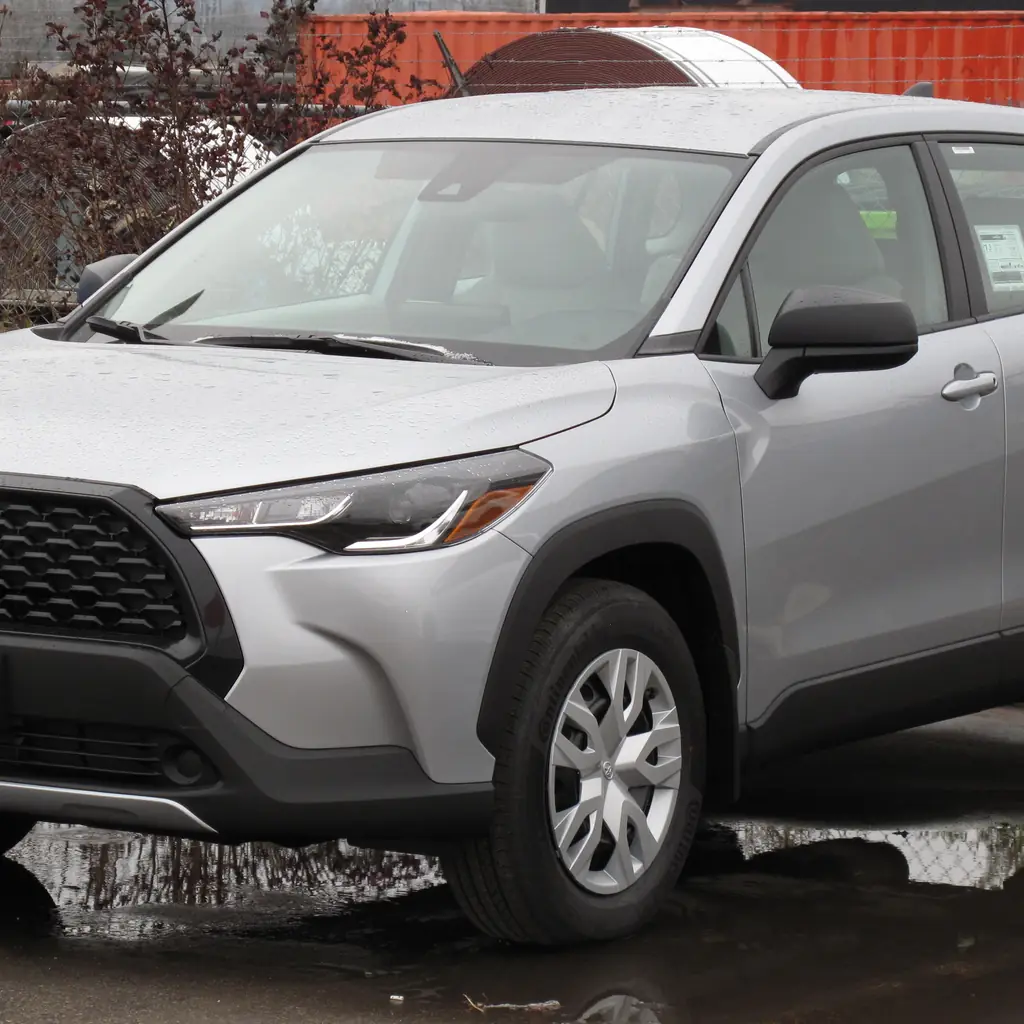
The Corolla Cross costs $334 a year less to insure than a Camry, which averages $2,400. Insurance.com’s figure for the small Toyota SUV is $2,066 a year, or $172 a month.
The Corolla sedan averages $2,399, so the Cross also costs you $333 a year less than its sedan namesake.
The gas Corolla Cross is rated 32 mpg combined in front-drive form and 30 with all-wheel drive. The hybrid is rated 42 and comes only with all-wheel drive.
You will not find it among the IIHS 2026 award winners. That is not a failing grade. Read the IIHS crash ratings for the exact model year you want before you sign.
12. Subaru Crosstrek: tied at $2,064, all-wheel drive throughout
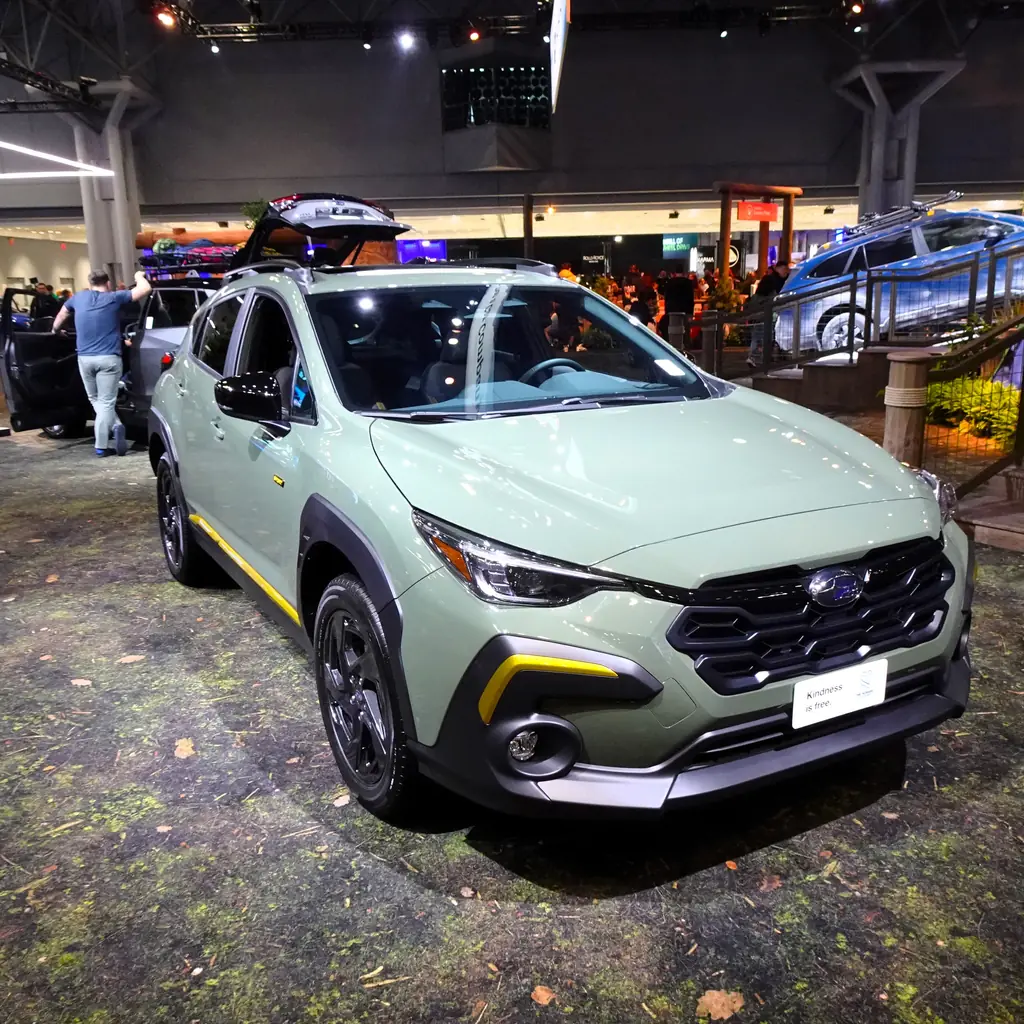
The Crosstrek averages $2,064 a year to insure ($172 a month), the same annual figure as the Volkswagen Taos. It also costs about $21 a year less than a Toyota RAV4, which averages $2,085 in the same study.
The EPA lists every 2026 Crosstrek with all-wheel drive. The gas version is rated at 29 mpg combined and the hybrid at 36, so you never trade mileage for traction here.
Insurance.com names the Crosstrek the cheapest car to insure in South Carolina, at $1,770 a year.
Check which Crosstrek you mean before you lean on a safety record. The IIHS gave a 2026-27 Top Safety Pick+ to the Crosstrek Hybrid wagon, and the regular gas model is not on that list.
11. Volkswagen Taos: the other half of the $2,064 tie
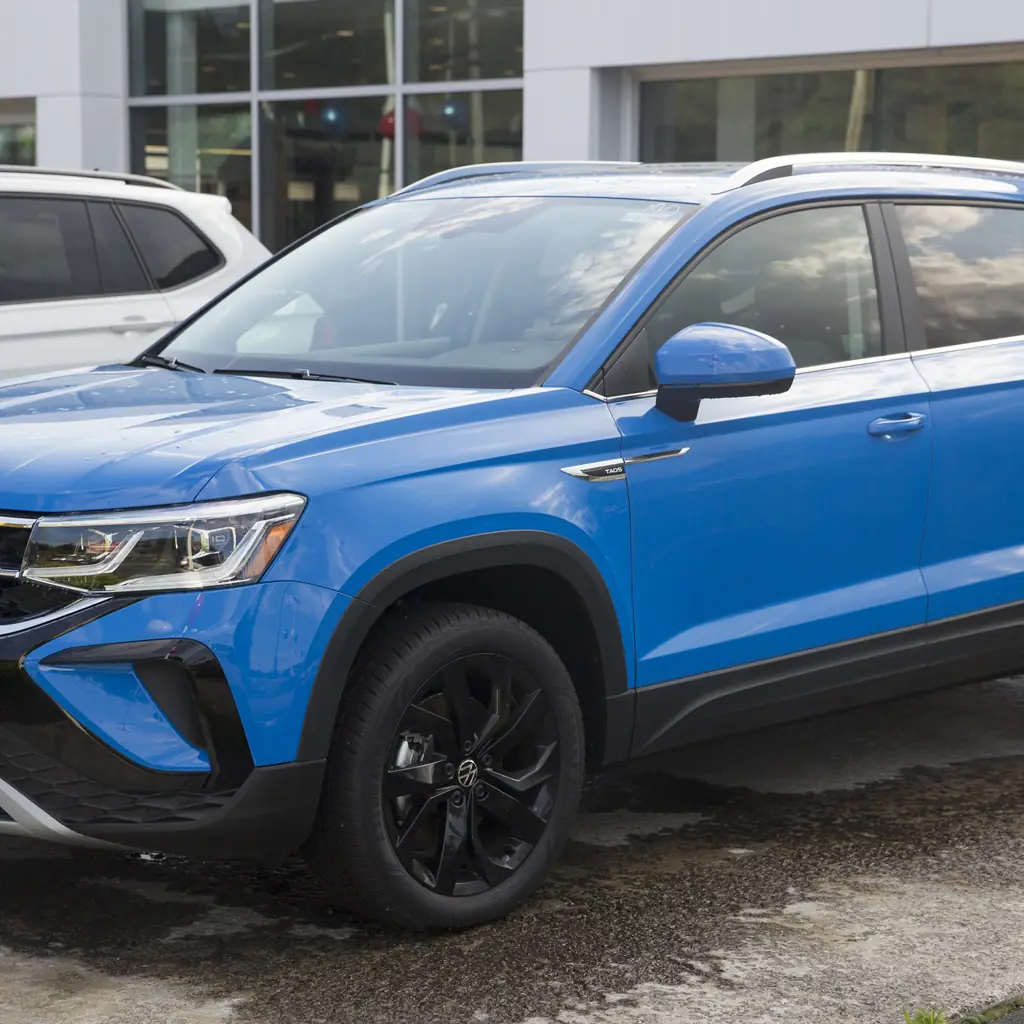
The Taos averages $2,064 a year to insure, the same as the Crosstrek. Insurance.com lists the Taos first of the two, so it takes the 11th spot here.
Size plays a part. Insurance.com says smaller SUVs cost less to insure than larger ones, and the Jeep Grand Wagoneer tops its SUV table at $3,747 a year, or $312 a month.
Your premium will likely not match either number. Insurance.com fielded rates for every trim level and published one average for the model.
The 2026 Taos is rated 31 mpg combined, or 28 with the 4Motion all-wheel-drive system. You pay three mpg for the extra traction, and you decide whether your winters justify it.
It is not on the IIHS list of 2026 award winners. If a safety award matters most to you, the next car on this list has one and costs $2 less a year.
10. Hyundai Tucson: a 2026 safety winner, and age moves your rate too
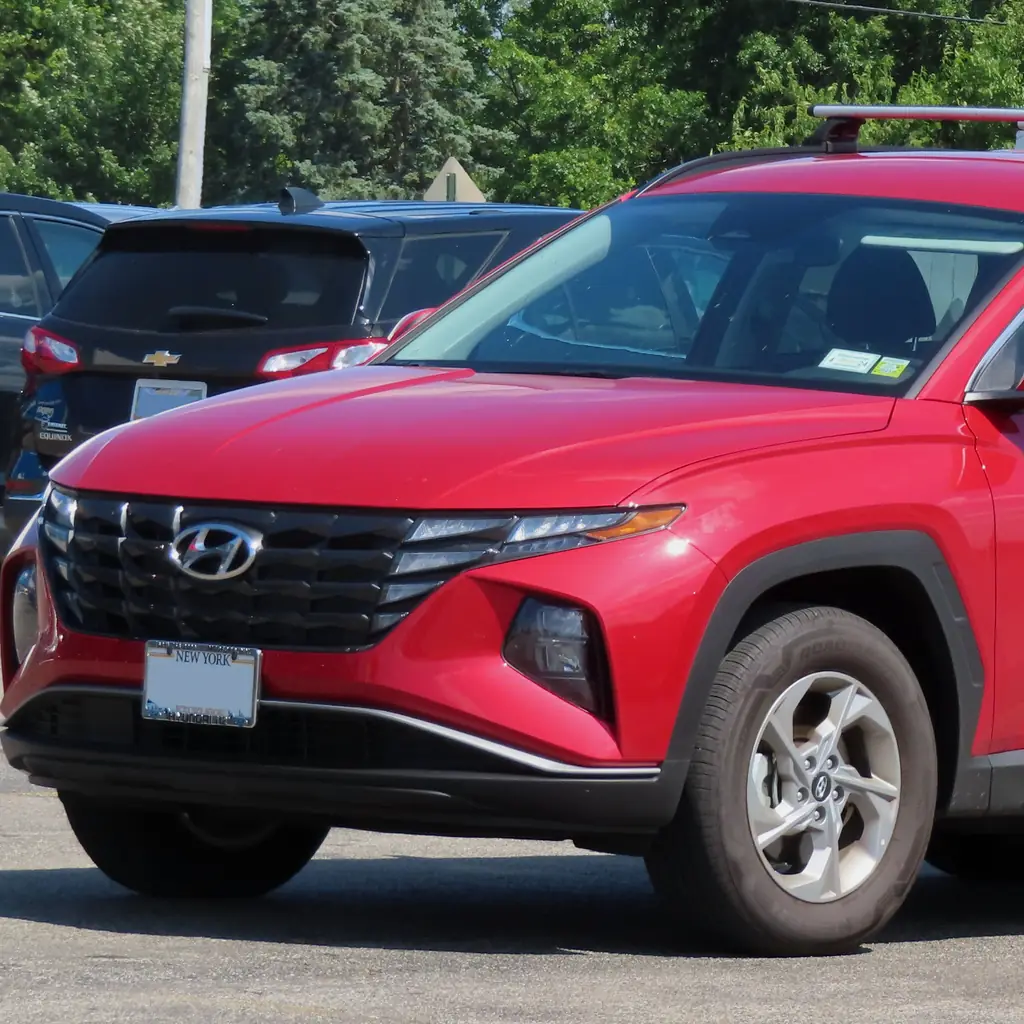
The Tucson averages $2,062 a year to insure, and the 2026 model holds the IIHS’s Top Safety Pick+. Seven of the 15 cars on this list hold that 2026 award, so the pairing is common but worth checking.
Your age can move the bill more than the model does. Insurance.com’s separate age study found average rates for clean-record drivers lowest at 60, at $2,297 for women and $2,327 for men. By 75 they reach $2,681 and $2,803.
That climb is bigger than the $144 gap between the cheapest and priciest car here, though the two studies use different driver profiles. The age study priced a Honda Accord LX.
Gas Tucsons are rated 28 mpg combined in front-drive form and 26 with all-wheel drive, and the hybrids 36 to 38. If you already own one, our Tucson features guide covers settings that make parking and loading easier.
9. Hyundai Kona: small outside, a 2026 safety winner on the IIHS list
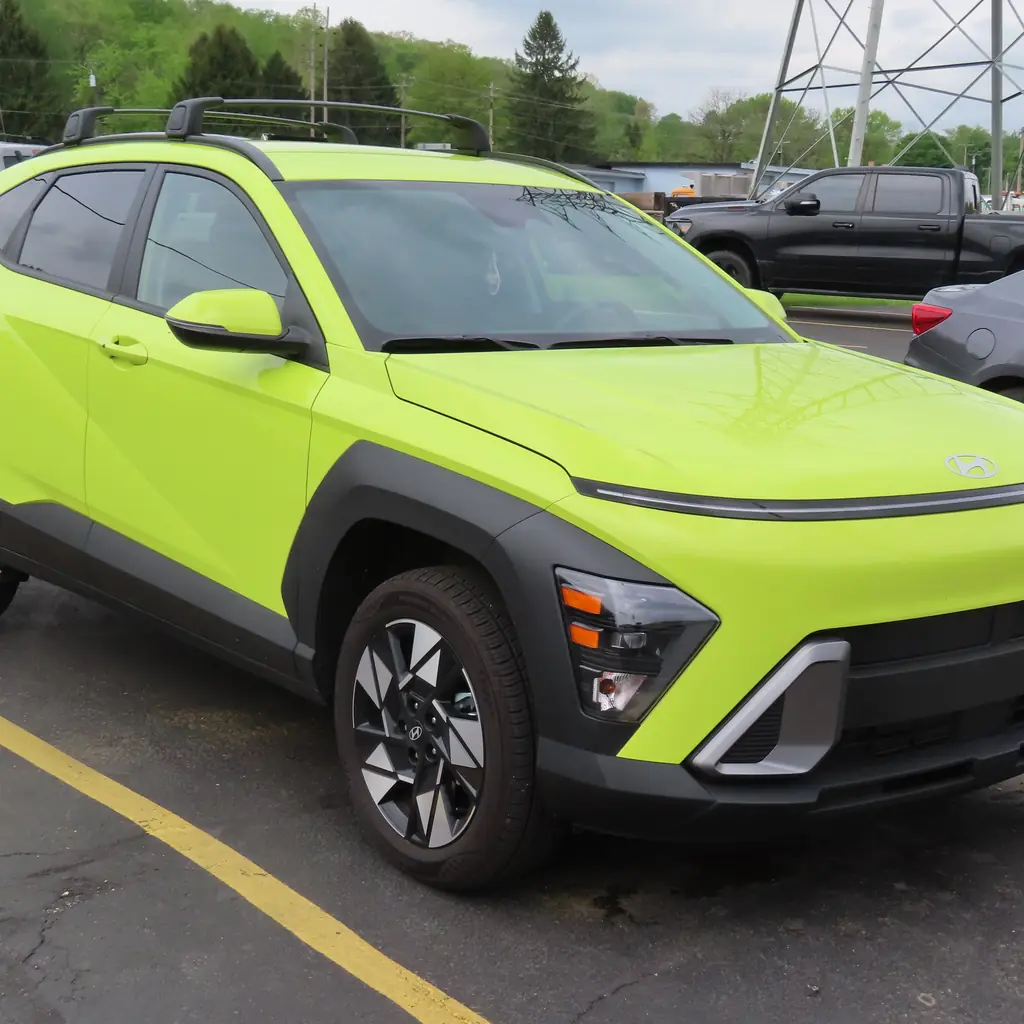
At $2,048 a year, the Kona’s average premium comes to $171 a month. The IIHS named the 2026-27 Kona a Top Safety Pick+, so a small SUV gets a top award at a low price.
Insurance.com says it fielded rates for all trim levels, then averaged them. Your quote on the trim you want can differ from that average.
The front-wheel-drive Kona is listed at 31 mpg combined by the EPA, and the all-wheel-drive versions at 26 to 28. If you pick all-wheel drive, your fuel bill rises a little.
8. Subaru Outback: the wagon that insurers treat like an SUV
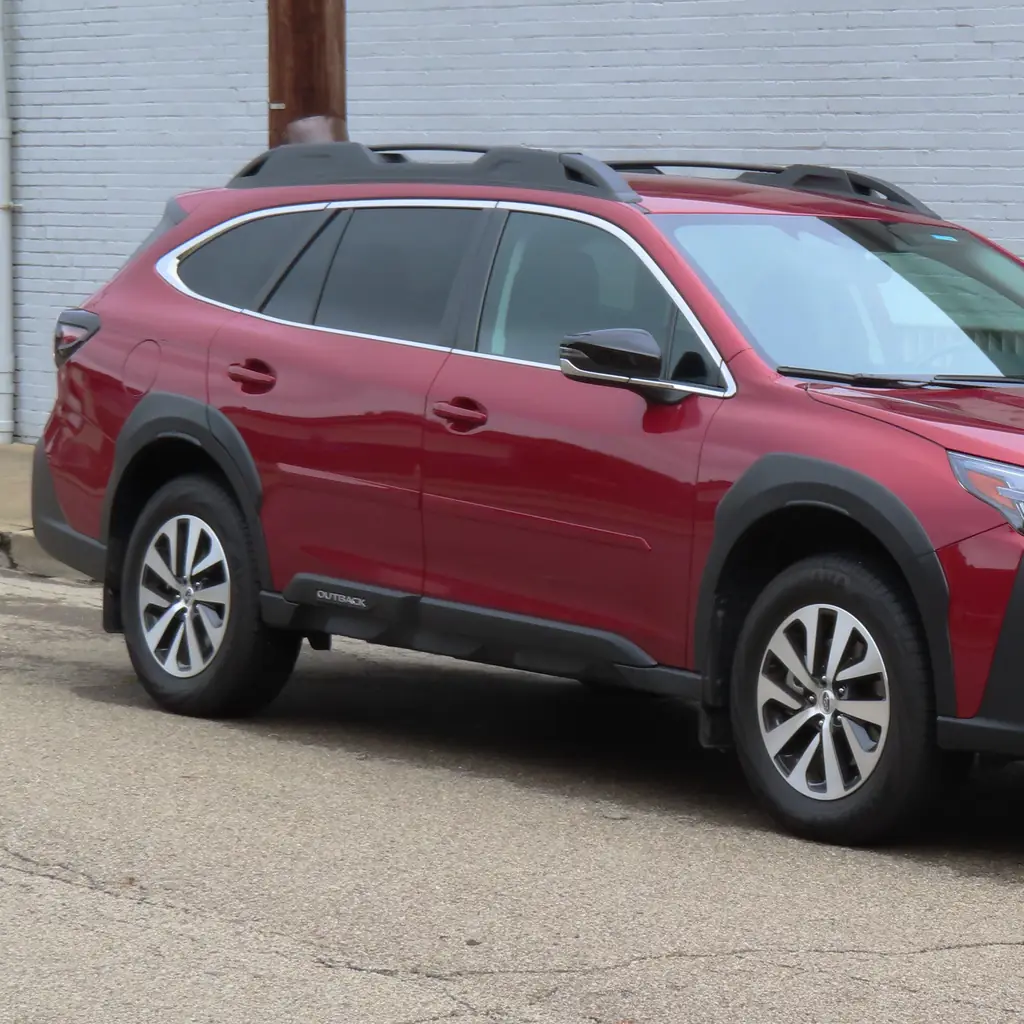
The Outback averages $2,042 a year ($170 a month), and Insurance.com files it with the SUVs. It sits ninth in the study’s overall table of cheapest vehicles.
The IIHS also groups the Outback with SUVs and named the 2026 model a Top Safety Pick+. Fuel economy is 27 mpg combined for the 2.5-liter engine and 24 for the 2.4-liter, per the EPA.
The 2.4-liter engine is the thirstier one, so match the engine to how you drive. Choosing the wagon over the Subaru Legacy sedan, which averages $2,148 in the same study, saves you $106 a year.
Insurance.com lists the Outback as the cheapest car in Nevada at $1,961 a year and in Michigan at $2,473. Your state matters as much as the car. Our Outback tips guide covers features owners tend to find late.
7. Mazda CX-5: a 2026 safety winner at $2,021
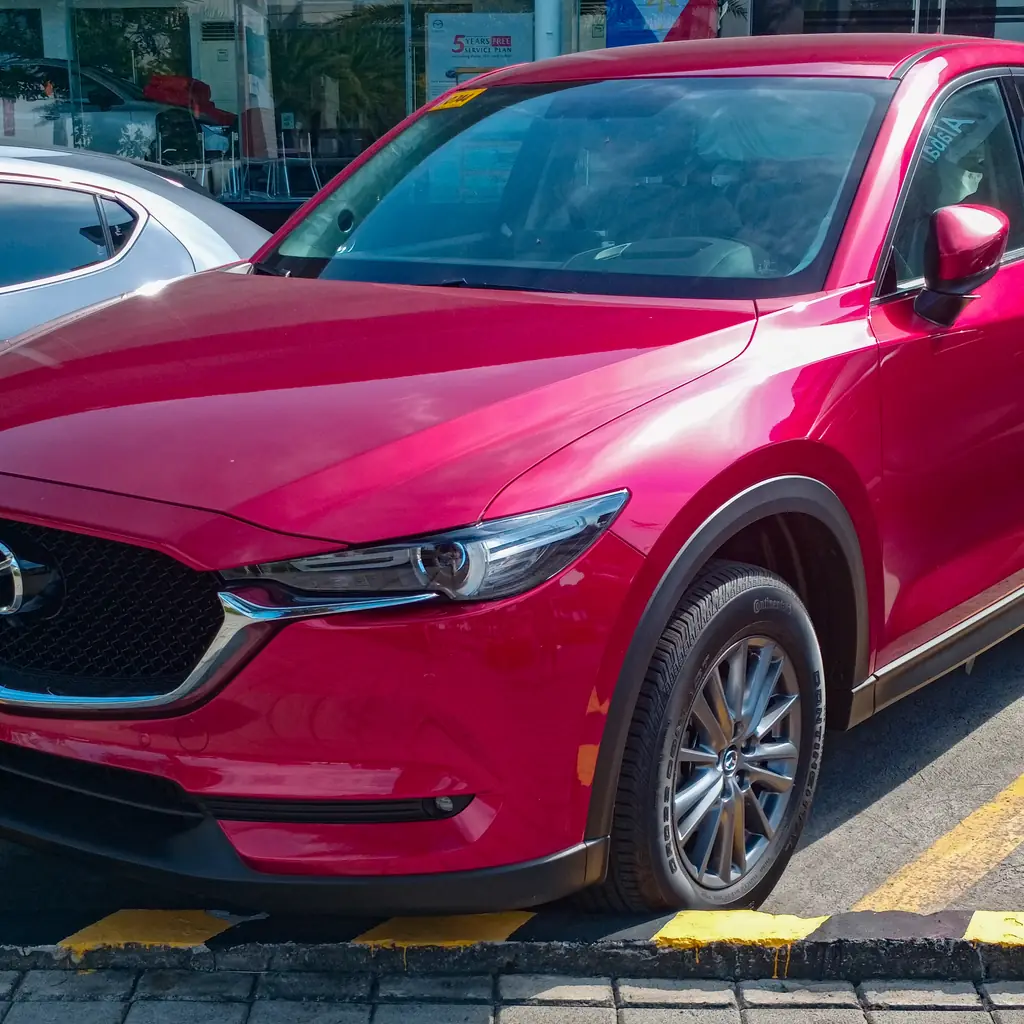
Insuring a CX-5 averages $2,021 a year, or $168 a month, the seventh-lowest rate on this list. A Honda Accord, by comparison, averages $2,342 in the same study. The smaller Mazda CX-30 averages $2,086 and also holds a 2026 IIHS award.
The IIHS awarded the 2026 CX-5 a Top Safety Pick+. The EPA lists the 2026 model at 26 mpg combined and offers only all-wheel drive, so you will not see a front-drive number.
That is well below the Corolla Cross and the Venue at 30 mpg or better. If you drive many highway miles, the fuel bill may cancel part of your insurance savings.
6. Subaru Forester: cheap to insure, with a safety award to match
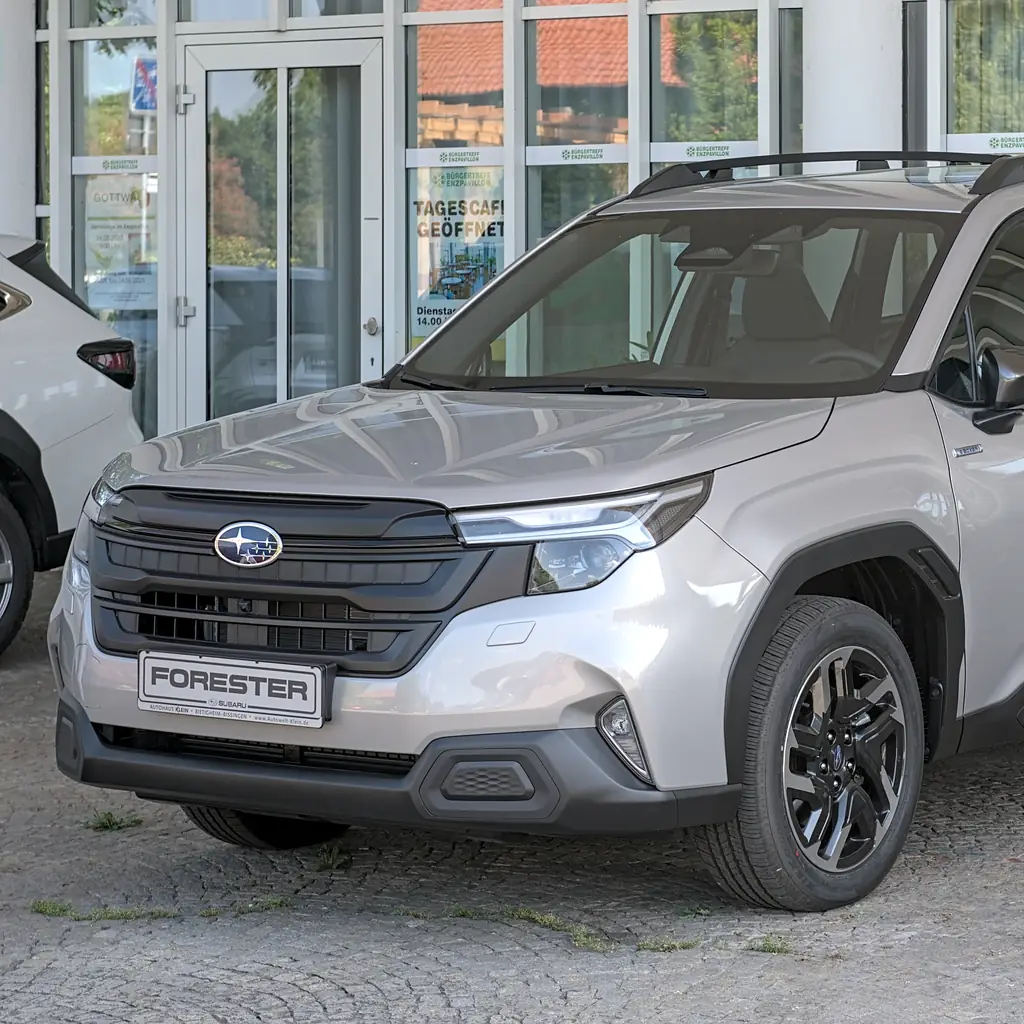
The Forester averages $2,013 a year ($168 a month), and the 2026 model won the IIHS’s Top Safety Pick+. You get a low premium and a top award in the same car.
All-wheel drive comes standard, and the EPA lists the 2026 Forester at 29 mpg combined. The hybrid is listed at 35, and the rugged Wilderness trim drops to 26.
The study names the Forester the cheapest car in Delaware, Oregon and Rhode Island, with yearly rates of $1,920, $1,887 and $2,236. Our Forester tips guide shows what the car can do beyond the commute. Before you choose a trim, remember that the trail-ready one costs you three mpg.
5. Chevrolet TrailBlazer: $2,012 with a small three-cylinder engine
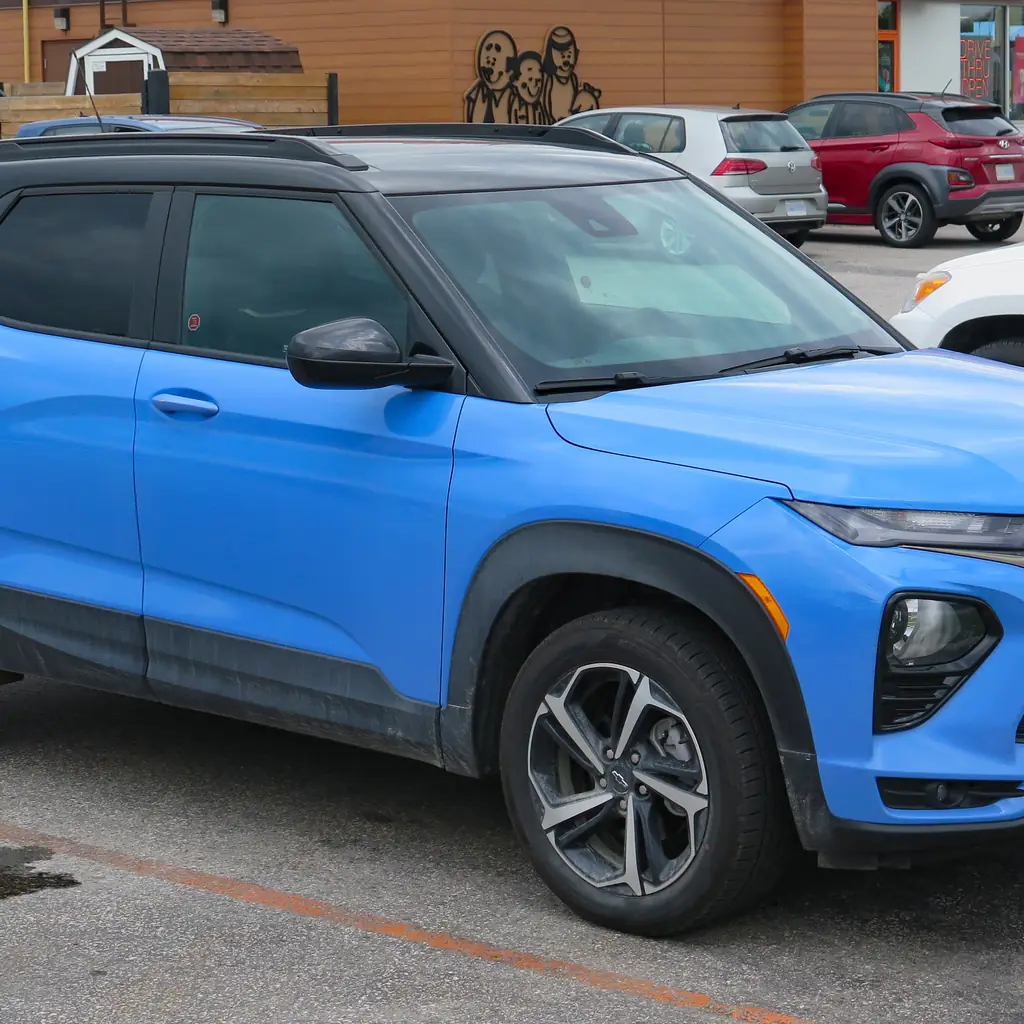
Insurance.com’s average for the TrailBlazer is $2,012 a year ($168 a month), one dollar below the Forester. A Chevrolet Equinox, its bigger sibling, averages $2,090.
Fuel economy is 31 mpg combined for the 2026 front-wheel-drive model and 27 for all-wheel drive, per the EPA. Both versions use a small three-cylinder engine, which you may or may not enjoy.
Insurance.com names it the cheapest car in Alabama ($1,739), Arkansas ($1,969) and Mississippi ($1,853).
It is not on the IIHS list of 2026 award winners. Take a test drive on your usual roads, and read the IIHS ratings for the exact year you are considering.
4. Hyundai Venue: the cheapest car in six states
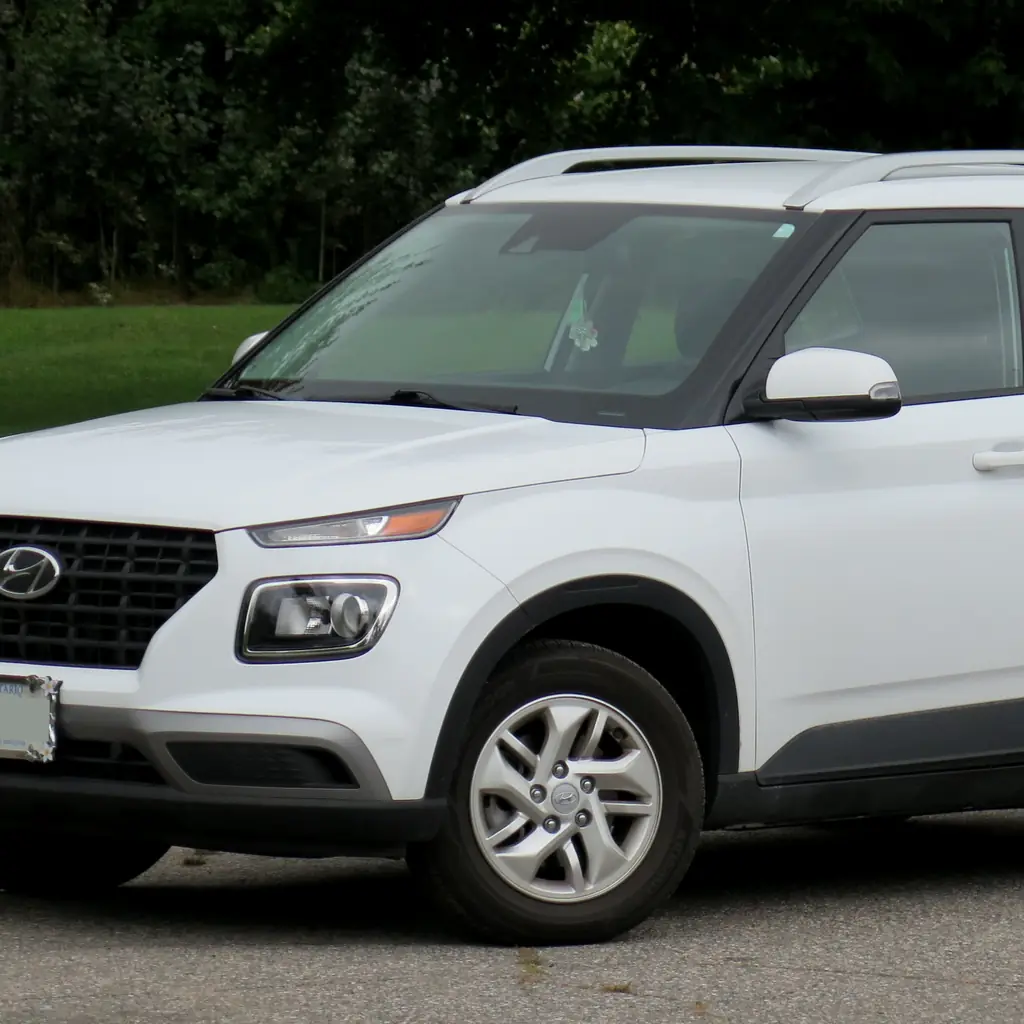
The Venue averages $1,999 a year to insure ($167 a month), one of only four cars in the study under $2,000.
Insurance.com’s state table names it the cheapest car to insure in six states: Maine, Montana, New Hampshire, Ohio, Texas and Wisconsin. Your state still sets the scale. The Venue’s cheapest rate is $2,609 a year in Texas and $1,176 in Maine.
The EPA lists the 2026 Venue at 31 mpg combined. It is not on the IIHS list of 2026 award winners, so you may want to compare it with the safety winners above.
Insurance.com says sedans usually cost more to insure than SUVs. The cheapest sedan in the study, the Subaru Legacy, averages $2,148 a year.
3. Volkswagen Tiguan: cheapest in Louisiana, and still $3,187 there
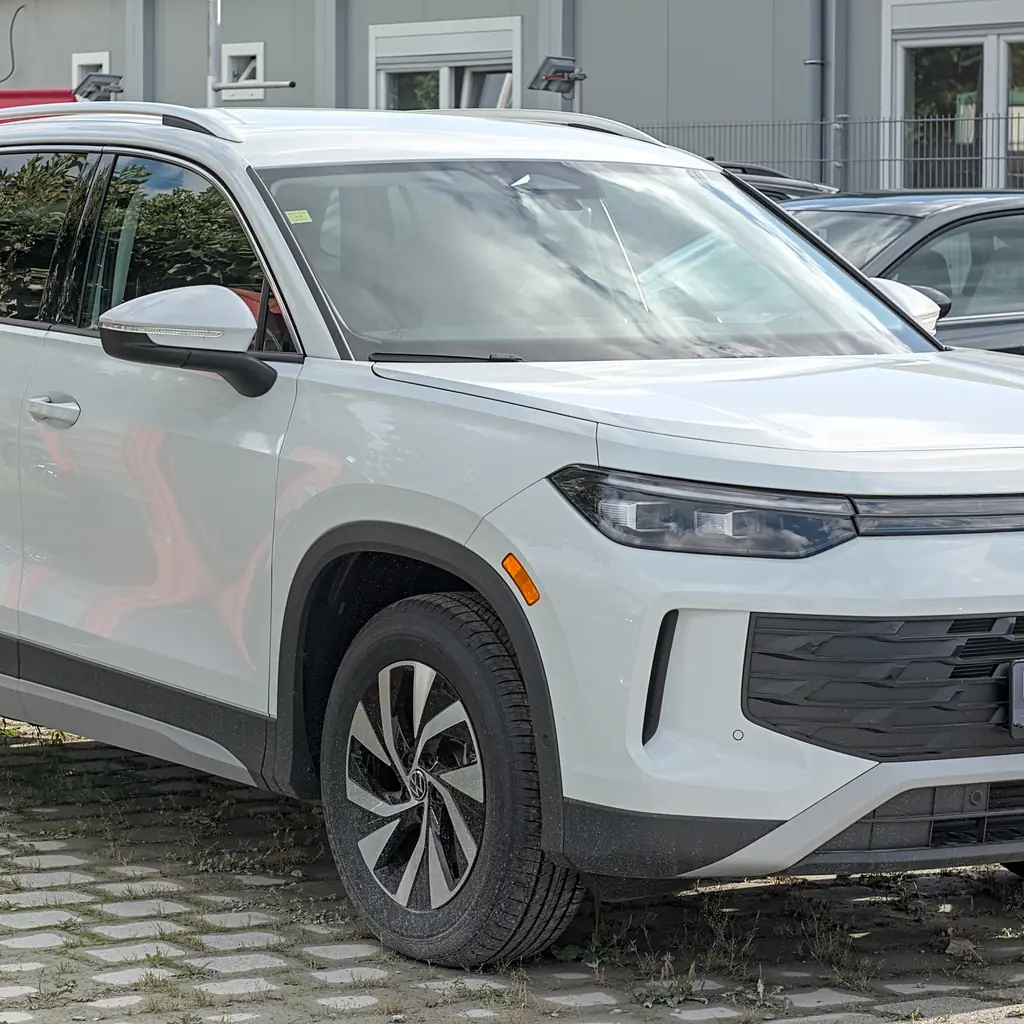
The Tiguan’s average is $1,979 a year, or $165 a month, the third-lowest rate in the study.
Where you live changes the picture. Insurance.com names the Tiguan the cheapest car in Louisiana, at $3,187 a year, and in Missouri at $2,086. A cheap national rank does not promise a cheap bill in your ZIP code.
The EPA rates the 2026 Tiguan at 28 mpg combined, or 25 with all-wheel drive. Our Tiguan warning light guide helps if a symbol appears on yours.
Read more: Car Buttons and Settings That Do More Than You Might Expect
2. Honda HR-V: $4 a year from the top spot
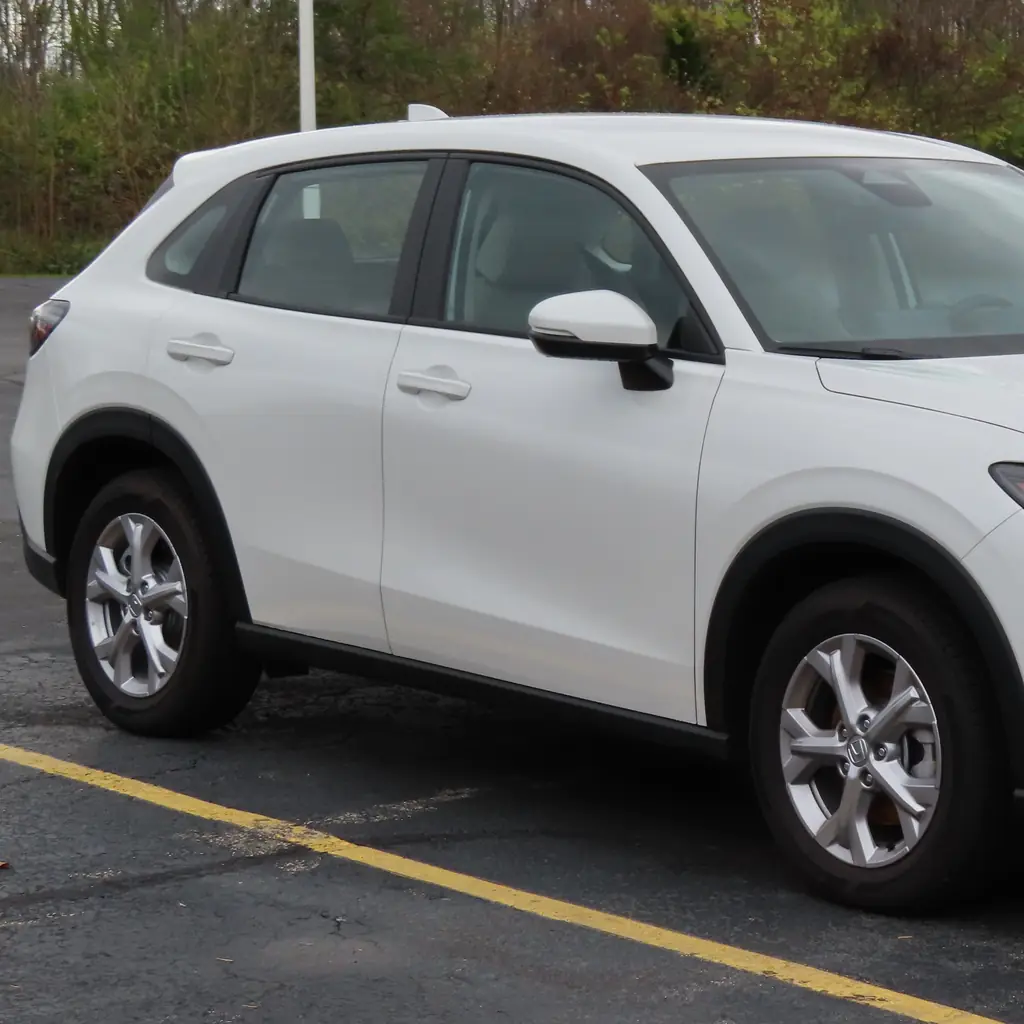
The HR-V averages $1,936 a year, which Insurance.com rounds to $161 a month, the same monthly figure as the top car. It trails by just $4 a year.
The 2026-27 HR-V holds a Top Safety Pick+ from the IIHS, so you get a safety award at the bottom of the price list.
Insurance.com names the HR-V the cheapest car to insure in nine states, including Pennsylvania, Virginia and Massachusetts. It is cheapest in Virginia at $1,419 a year and in Massachusetts at $1,622.
Kelley Blue Book, reporting an Insurify study, said boomers paid the least for full coverage of any generation in 2023, at $134 a month. That is a separate study with a different method. The EPA rates it at 28 mpg combined, or 27 with all-wheel drive.
If you own one, see our HR-V warning light guide.
1. Honda CR-V: the cheapest new car to insure in the 2026 study
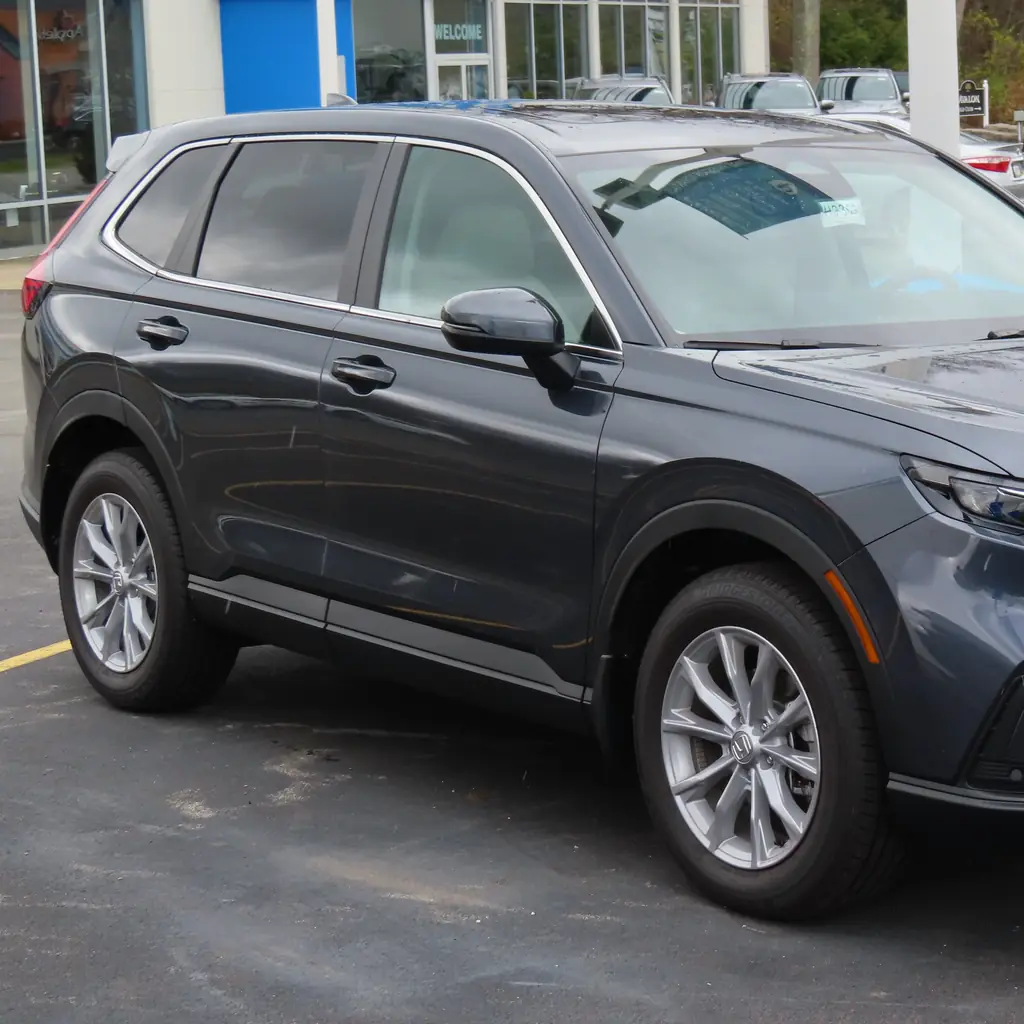
The CR-V averages $1,932 a year to insure ($161 a month), the lowest rate in Insurance.com’s March 2026 study. It is $468 a year below the study’s figure for a Camry, and $216 below the cheapest sedan, the Subaru Legacy.
It is the cheapest model in 12 states, from Arizona to Wyoming, with state rates as low as $1,247 in Idaho and $1,573 in Iowa. The EPA lists the 2026 gas CR-V at 30 mpg combined (29 with all-wheel drive), and the hybrid at 40 and 37.
The CR-V is not on the IIHS list of 2026 award winners, so check the ratings for the year you want. If you own one, our CR-V controls guide shows what the brake hold and other settings do.
Your best saving may not come from the car. A different Insurance.com study, priced for drivers aged 65 to 75, found eight national insurers averaging from $1,817 a year at Auto Club Group to $2,862 at Amica. Insurance.com also says moving from a $500 deductible to $1,000 saves an average of $323 a year.
Sources
- Insurance.com: The cheapest cars to insure in 2026
- Insurance.com: Average car insurance rates by age and gender for 2026
- Insurance.com: The best car insurance for seniors in 2026
- IIHS: 2026 Top Safety Picks
- Kelley Blue Book: Study of Boomers and Gen Z car choices
- fueleconomy.gov: 2026 Honda CR-V
- fueleconomy.gov: 2026 Honda HR-V
- fueleconomy.gov: 2026 Volkswagen Tiguan
- fueleconomy.gov: 2026 Hyundai Venue
- fueleconomy.gov: 2026 Chevrolet Trailblazer
- fueleconomy.gov: 2026 Subaru Forester
- fueleconomy.gov: 2026 Mazda CX-5
- fueleconomy.gov: 2026 Subaru Outback
- fueleconomy.gov: 2026 Hyundai Kona
- fueleconomy.gov: 2026 Hyundai Tucson
- fueleconomy.gov: 2026 Volkswagen Taos
- fueleconomy.gov: 2026 Subaru Crosstrek
- fueleconomy.gov: 2026 Toyota Corolla Cross
- fueleconomy.gov: 2026 Kia Sportage
- fueleconomy.gov: 2026 Honda Pilot
Image sources and credits
- Image 1: File:2023 Honda Pilot Touring in Radiant Red, front left.jpg by Mr.choppers, CC BY-SA 3.0. Cropped and resized.
- Image 2: File:2023 Kia Sportage X-Line AWD, front right, 12-08-2022.jpg by MercurySable99, CC BY-SA 4.0. Cropped and resized.
- Image 3: File:2022 Toyota Corolla Cross L FWD, Front Left, 11-21-2021.jpg by Elise240SX, CC BY-SA 4.0. Cropped and resized.
- Image 4: File:Subaru Crosstrek Sport (2024) (53624455535).jpg by Charles from Port Chester, New York, CC BY 2.0. Cropped and resized.
- Image 5: File:2022 Volkswagen Taos 1.5T SE in Cornflower Blue, front left.jpg by Mr.choppers, CC BY-SA 3.0. Cropped and resized.
- Image 6: File:2022 Hyundai Tucson SEL with HTRAC All Wheel Drive.jpg by MercurySable99, CC BY-SA 4.0. Cropped and resized.
- Image 7: File:2024 Hyundai Kona SEL, front right, 05-06-2024.jpg by MercurySable99, CC BY-SA 4.0. Cropped and resized.
- Image 8: File:2023 Subaru Outback Premium, front right, 09-09-2023.jpg by MercurySable99, CC BY-SA 4.0. Cropped and resized.
- Image 9: File:2023 Mazda CX-5 2.0 Sport in Sport Red Crystal, 06-09-2024.jpg by Ethan Llamas, CC BY-SA 4.0. Cropped and resized.
- Image 10: File:Subaru Forester (SL) e-BOXER DSC 8809.jpg by Alexander Migl, CC BY-SA 4.0. Cropped and resized.
- Image 11: File:2023 Chevrolet Trailblazer RS AWD in Fountain Blue, Front Right, 07-11-2023.jpg by Elise240SX, CC BY-SA 4.0. Cropped and resized.
- Image 12: File:2022 Hyundai Venue Preferred in Polar White, Front Left, 09-27-2022.jpg by Elise240SX, CC BY-SA 4.0. Cropped and resized.
- Image 13: File:Volkswagen Tiguan III (North America) DSC 0548.jpg by Alexander-93, CC BY-SA 4.0. Cropped and resized.
- Image 14: File:2023 Honda HR-V LX AWD, front right, 11-13-2022.jpg by MercurySable99, CC BY-SA 4.0. Cropped and resized.
- Image 15: File:2023 Honda CR-V EX-L AWD, front right, 11-13-2022.jpg by MercurySable99, CC BY-SA 4.0. Cropped and resized.