

Opinion
Editor’s note: These are editorial judgments about documented changes, not brand-wide reliability ratings. More
Based on public manufacturer announcements, specifications and owner documents. Equipment and experiences vary by model, year and market. The author does not claim recent firsthand testing of these vehicles. Images are for illustration purposes only.
A familiar badge can survive while the cars, controls and choices behind it change.
These brands illustrate specific losses of identity or convenience, alongside the improvements that keep the verdict from being simple.
How we chose these entries
Editorial assessment for U.S. buyers using manufacturer announcements, U.S.model specifications and primary technical documents available by November 3, 2026. Selection reflects lost choice, changed positioning or a documented convenience trade-off, not a reliability ranking. No survey-year comparisons, complaint-rate claims or claimed firsthand road tests.
1. Chrysler has become a much narrower proposition
Model-year scope: 2023 Chrysler 300; 2026 Pacifica
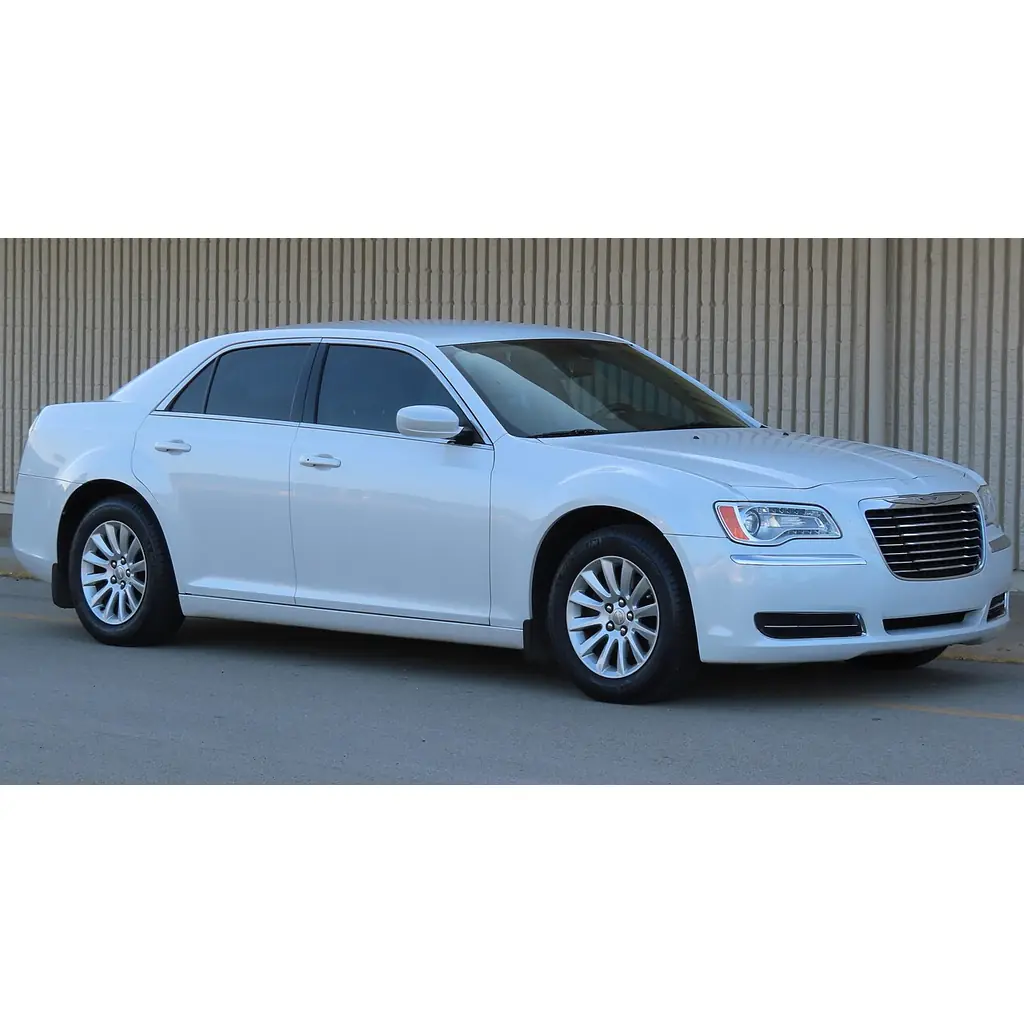
The Chrysler 300 gave this badge a reason to appear outside the school pickup line. Its large sedan shape and available V8 offered a different answer from the brand’s family minivans.
Chrysler discontinued the 300 after the 2023 model year and says there is no replacement. That is a meaningful loss of choice for someone who associated Chrysler with a substantial American sedan.
The remaining minivan expertise still matters. Second-row Stow ’n Go on 2026 Pacifica Select and Limited models serves families well. Our criticism is the smaller range of buyers the badge now serves, rather than an assumption that the vans became worse.
2. Dodge muscle changed its mechanical character
Model-year scope: 2023 Charger/Challenger; 2026 Charger
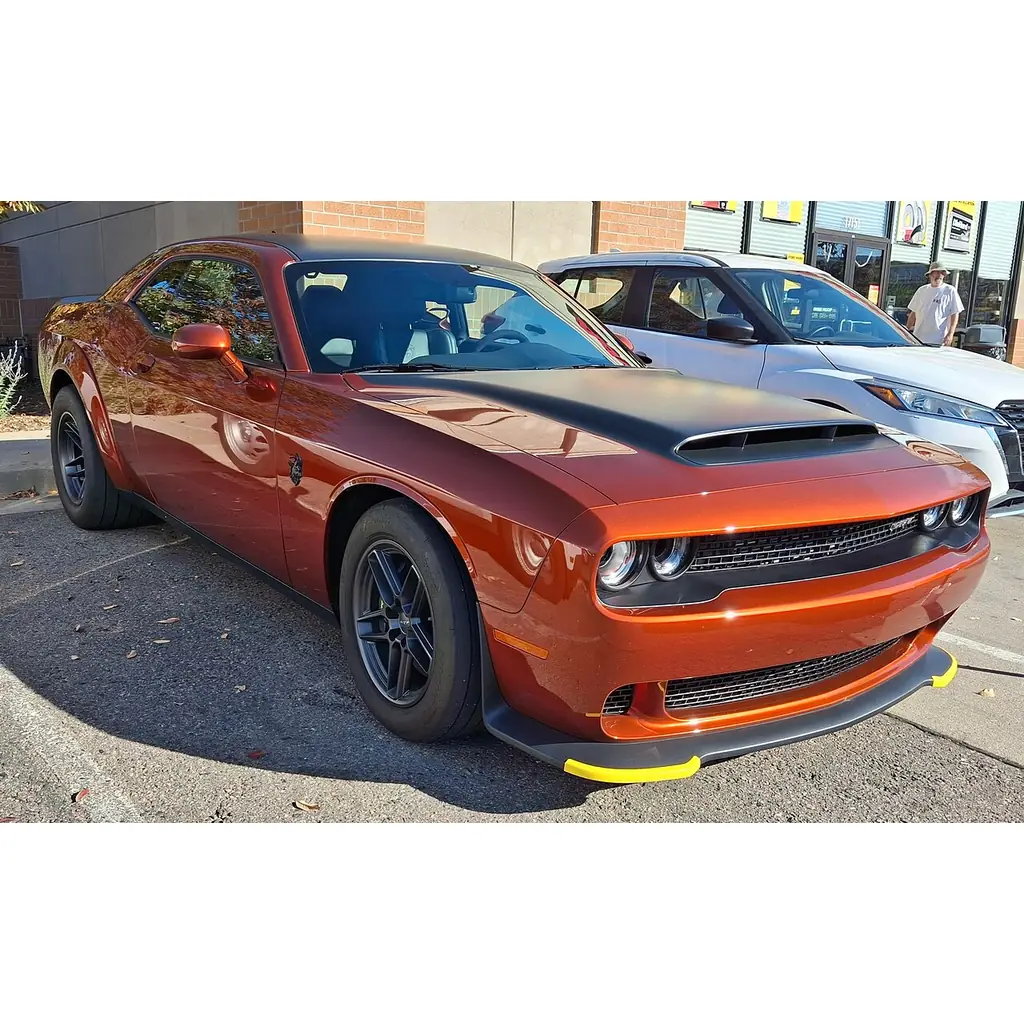
A HEMI-powered Charger or Challenger made Dodge’s performance identity easy to understand. Buyers could choose the sound and layout of a traditional V8 muscle car, rather than shopping only by acceleration numbers.
The 2023 model year ended that particular Charger and Challenger era. The 2026 gas Charger uses a twin-turbo inline-six, with 420 horsepower in R/T form or 550 in the Scat Pack, plus standard all-wheel drive.
Those specifications give the new car a credible performance argument. They do not recreate the old engine’s character. For a V8 loyalist, this is a loss of the product they wanted, without proving that every new Dodge is inferior.
Sources and context
3. Mitsubishi’s rally identity no longer buys you an Evo
Model-year scope: 2015 Evolution Final Edition; 2017 Lancer exit
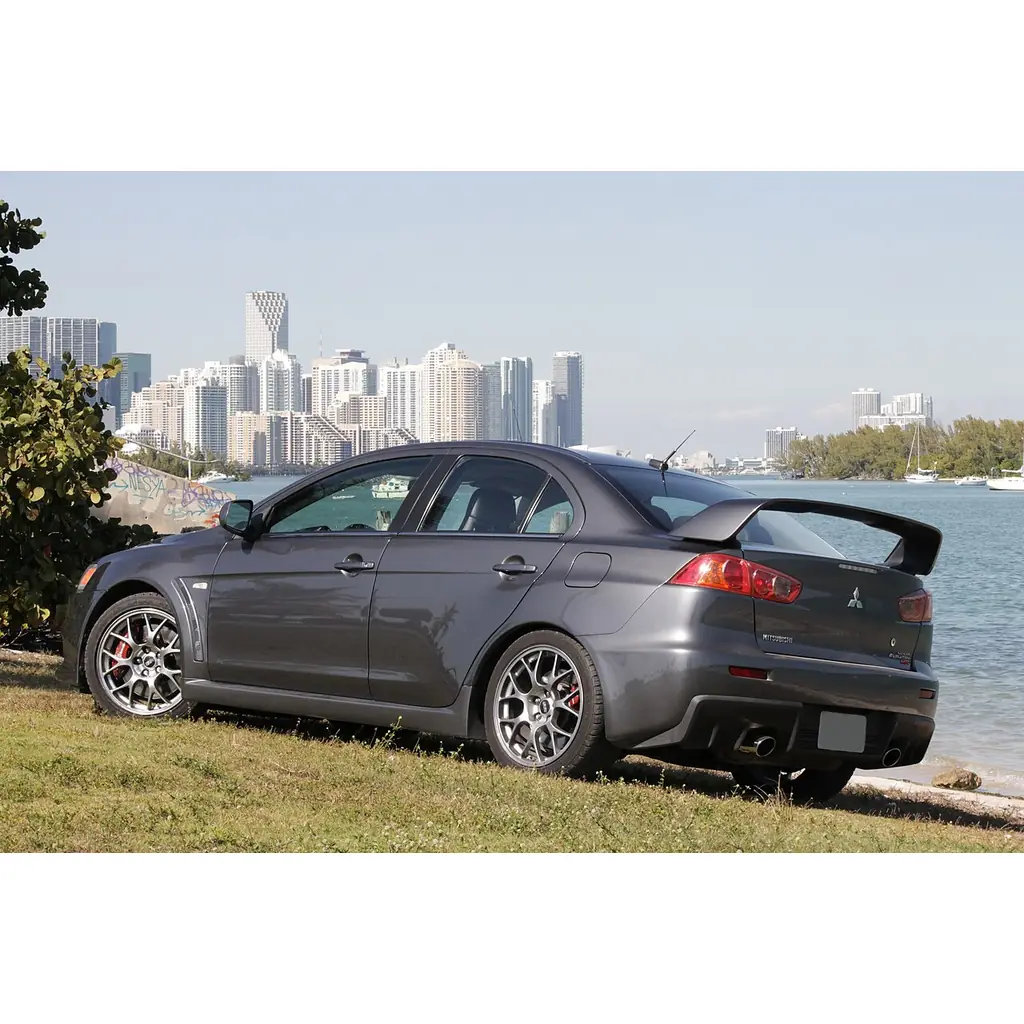
The Lancer Evolution made Mitsubishi’s performance reputation tangible. The 2015 U.S. Final Edition delivered 303 horsepower in a compact sedan, giving enthusiasts a reason to seek out this badge specifically.
The 2015 Final Edition closed that U.S. Evolution chapter, and the regular Lancer followed in 2017. Mitsubishi describes its focus as crossovers and hybrids. For someone who wanted an Evo successor, that represents a substantial change of priorities.
Those priorities can suit a family better than a performance sedan would. Mitsubishi’s history describes how its all-wheel-control ideas carried into later vehicles. That deserves credit, even though a crossover serves a different purpose from the sedan that made the Evo name.
Sources and context
4. Jaguar’s reinvention breaks a familiar sports-car link
Model-year scope: 2024 F-TYPE end; October 2026 Type 01 reveal
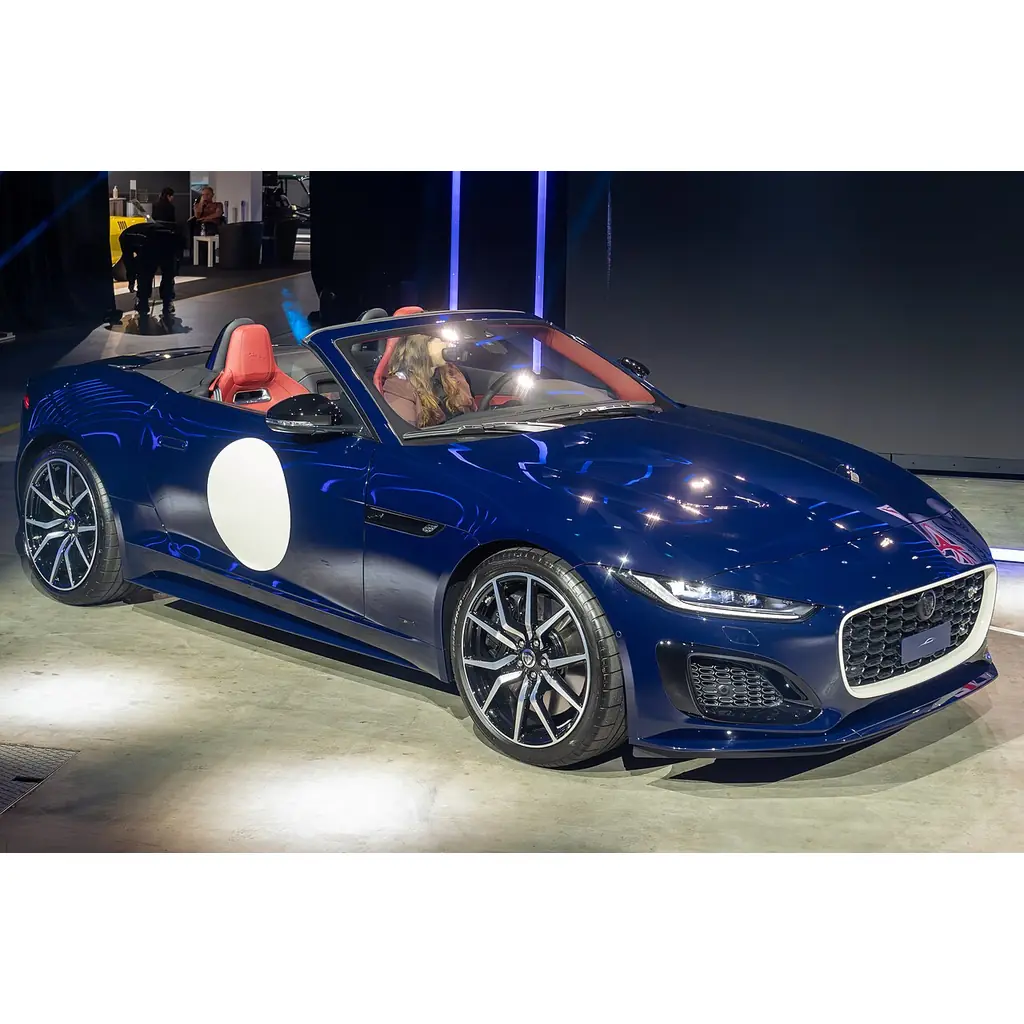
The F-TYPE connected Jaguar’s name to a two-seat sports car. Its final example was a 5.0-liter V8 convertible, built in June 2024 for the brand’s heritage collection.
Jaguar’s new direction centers on an electric four-door GT. Its official FAQ says Type 01 was revealed on October 6, 2026, with orders expected in early 2027. A returning F-TYPE shopper is therefore facing a different kind of product and a future delivery timeline.
Reinvention may produce a compelling car. A reveal cannot settle an ownership judgment, however. Jaguar’s lost continuity is clear for someone seeking another V8 two-seater, while the new car’s strengths remain a separate question.
5. Ford no longer offers the same everyday-car choice
Model-year scope: April 2018 strategy announcement; Fusion retirement
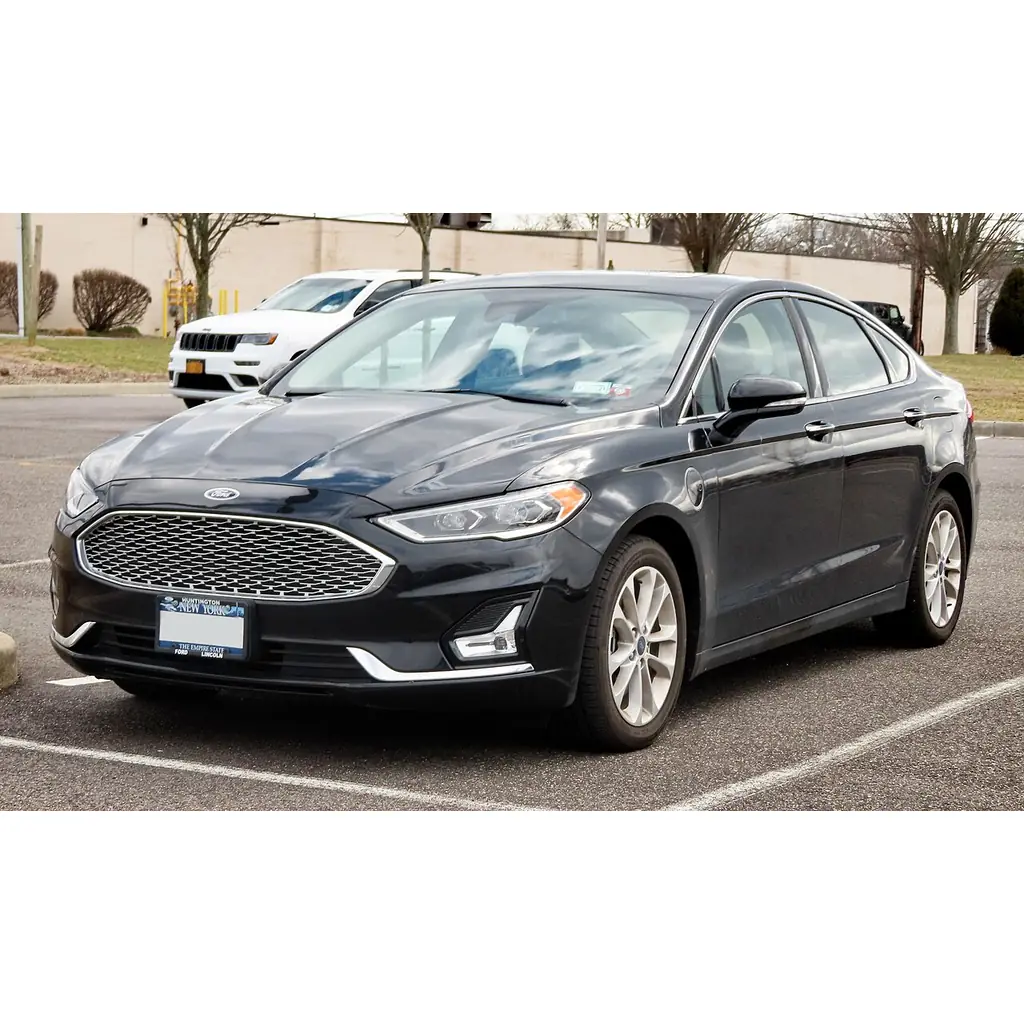
Ford once let a household move between an ordinary sedan and a pickup without changing badges. That mattered to buyers who wanted a lower car rather than another tall utility vehicle.
The change was deliberate. In its April 2018 earnings release, Ford said it would not invest in the next generation of traditional North American sedans. Its Fusion retirement page now directs buyers toward other vehicles and used inventory.
Ford still serves truck, utility and performance customers. Its older feature guide shows that varied identity. A returning sedan buyer, however, cannot treat the badge as a complete shopping list. Start with the body style you need before renewing brand loyalty.
Sources and context
6. Mercedes put more of the cabin behind glass
Model-year scope: 2021 S-Class W223 versus preceding generation
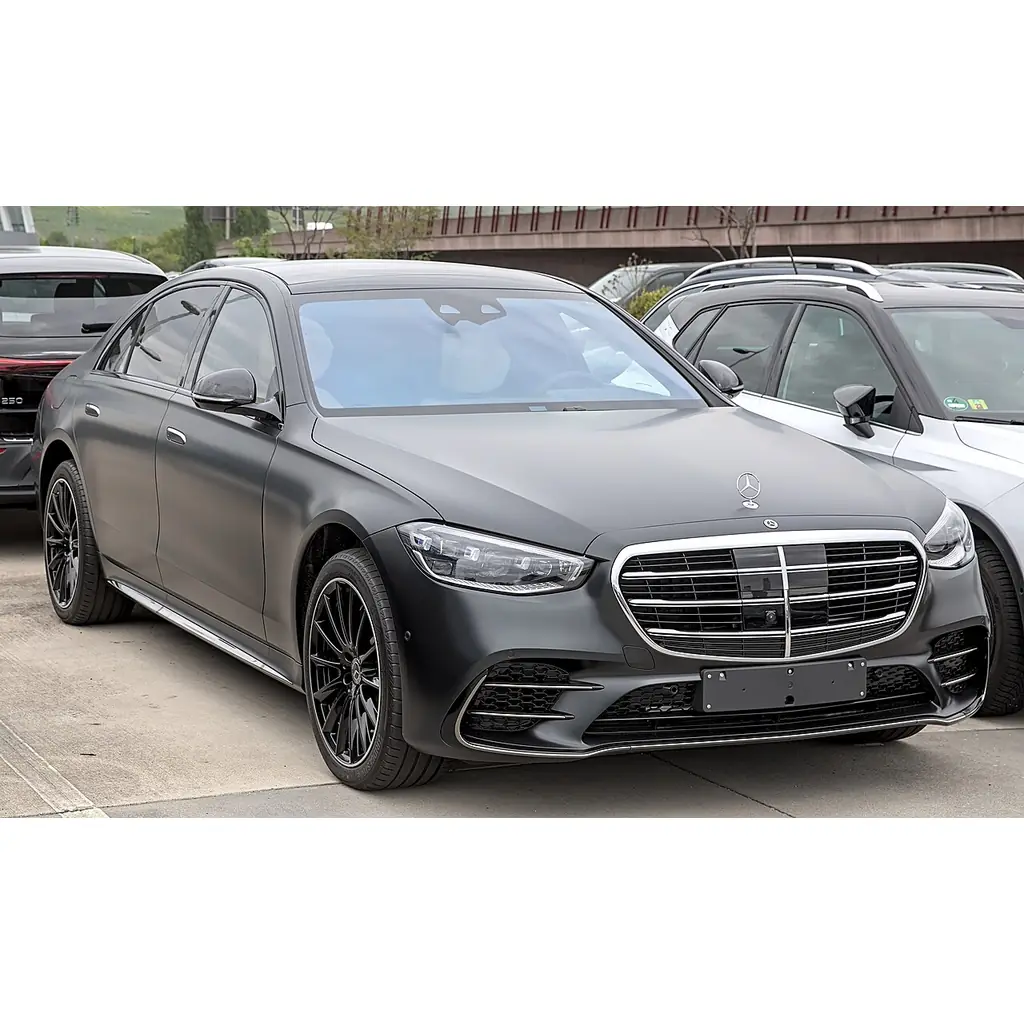
A luxury cabin should make routine tasks feel easy. For a driver who values controls that can be located by touch, Mercedes-Benz’s shift toward large screens changes an important part of that appeal.
The 2021 S-Class redesign introduced a 12.8-inch OLED center touchscreen. Mercedes said its new interface had 27 fewer mechanical switches than the preceding model. The steering wheel also adopted capacitive touch controls.
Voice control provides another route, while lights and wipers retain direct controls and climate functions stay along the screen’s lower edge. Use a controls checklist when comparing cabins. Try everyday adjustments before assuming a more digital interior suits you better.
7. Chevrolet’s EV technology can remove a familiar convenience
Model-year scope: 2020 Bolt EV; 2024 Equinox EV; 2026 gas Equinox
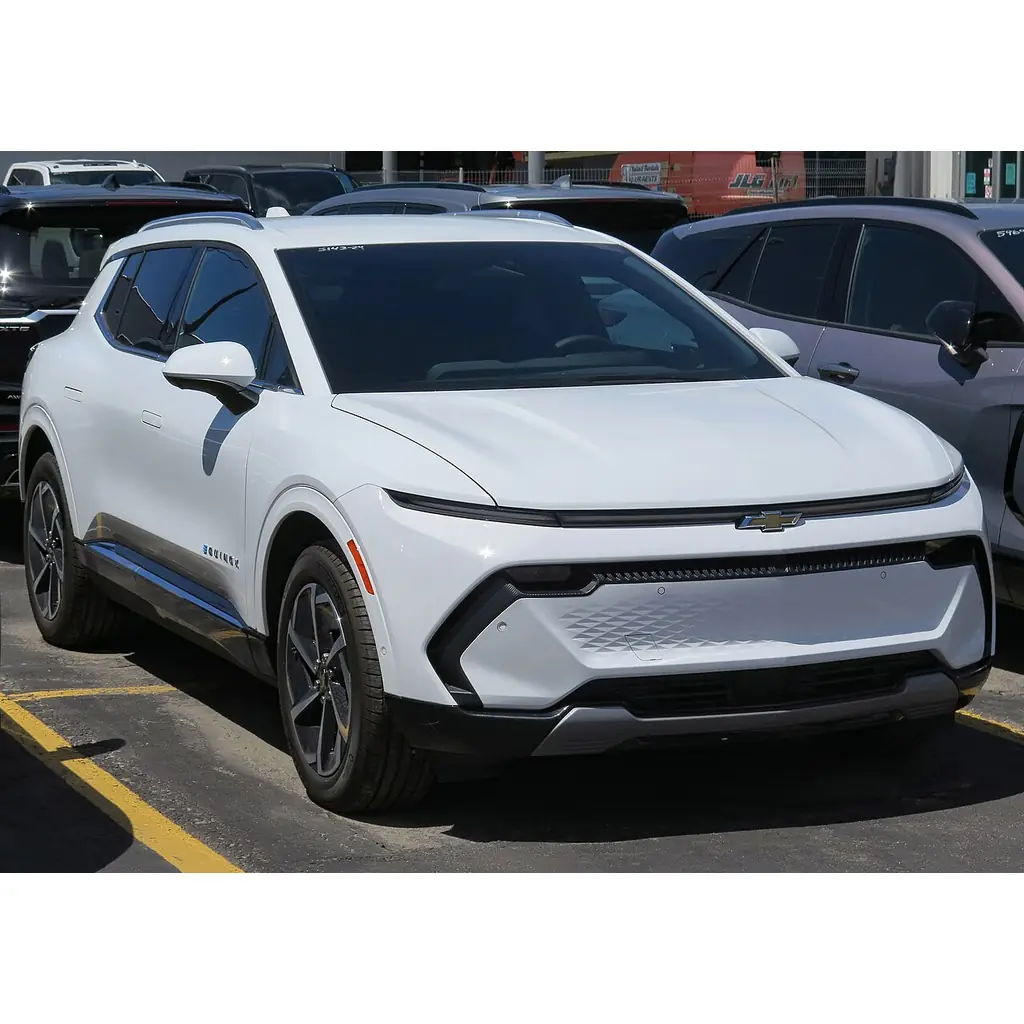
An owner moving from an older Chevrolet EV might expect their phone’s familiar interface to move with them. The 2020 Bolt EV supported Apple CarPlay and Android Auto, letting a compatible phone supply apps to the dashboard.
GM’s May 2024 Equinox EV bulletin explicitly says those projection systems are unavailable on that model, which instead uses Google built-in. That is a real convenience trade-off for a buyer whose routine depends on phone projection.
Built-in navigation can be useful, and the 2026 gas Equinox still offers both systems. Our older Chevrolet feature guide puts convenience changes in context. Compare the exact vehicle instead of assuming Chevrolet equipment follows one brand-wide rule.
8. Cadillac’s V badge needs more explanation than it once did
Model-year scope: 2019 CTS-V versus 2026 CT5 V-Series
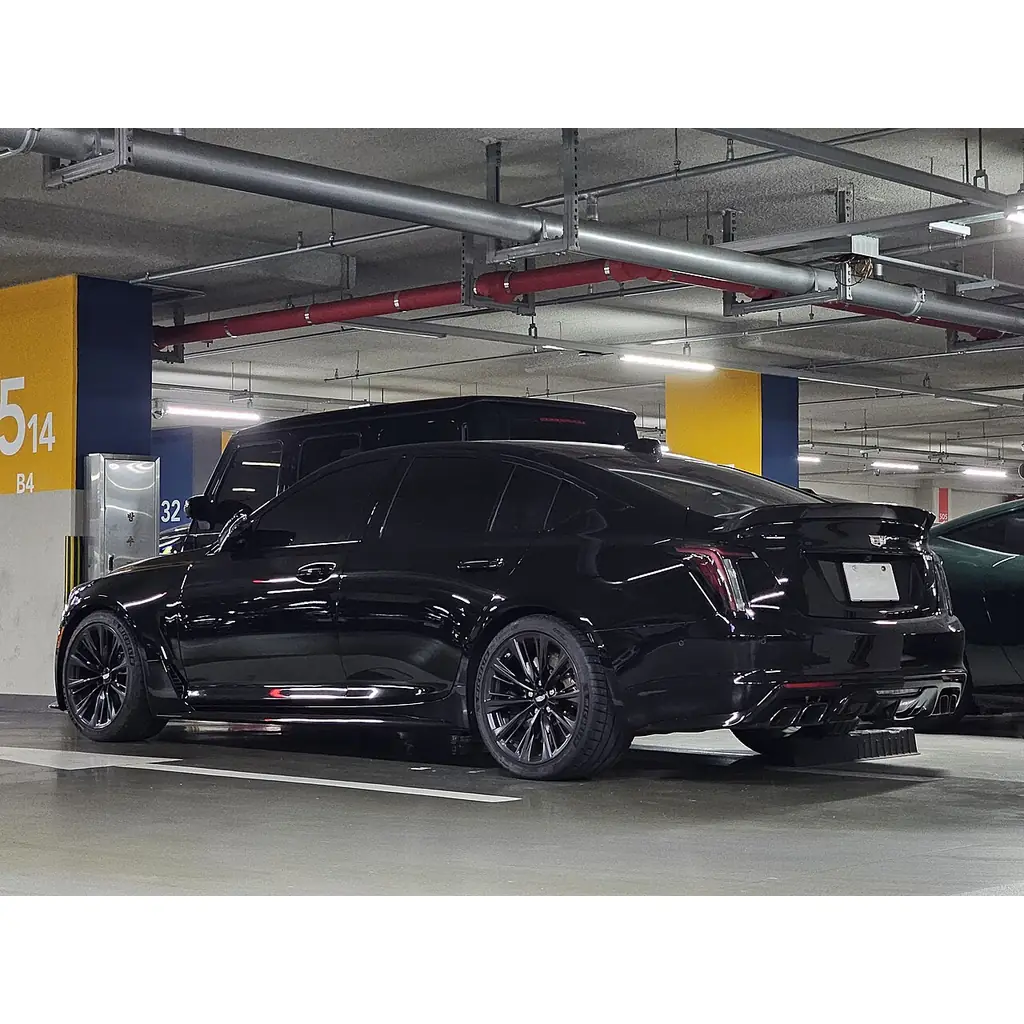
The 2019 CTS-V carried a 640-horsepower supercharged V8. For someone returning to Cadillac performance cars, that memory creates an understandable expectation when another sedan carries a V badge.
The 2026 CT5-V is a different proposition, with a 360-horsepower twin-turbo V6. The 668-horsepower supercharged V8 belongs to the CT5-V Blackwing. These are different performance tiers, rather than proof that Cadillac simply lost 280 horsepower. Both ratings require premium gasoline.
Blackwing even offers a six-speed manual, a strong counterpoint to any blanket decline story. Our objection is the less obvious badge hierarchy. The older Cadillac feature guide explores another side of the brand’s appeal; choose the actual equipment that matters to you.
Sources and context
9. Buick left buyers who wanted a wagon behind
Model-year scope: 2020 Regal TourX; 2026 Envista
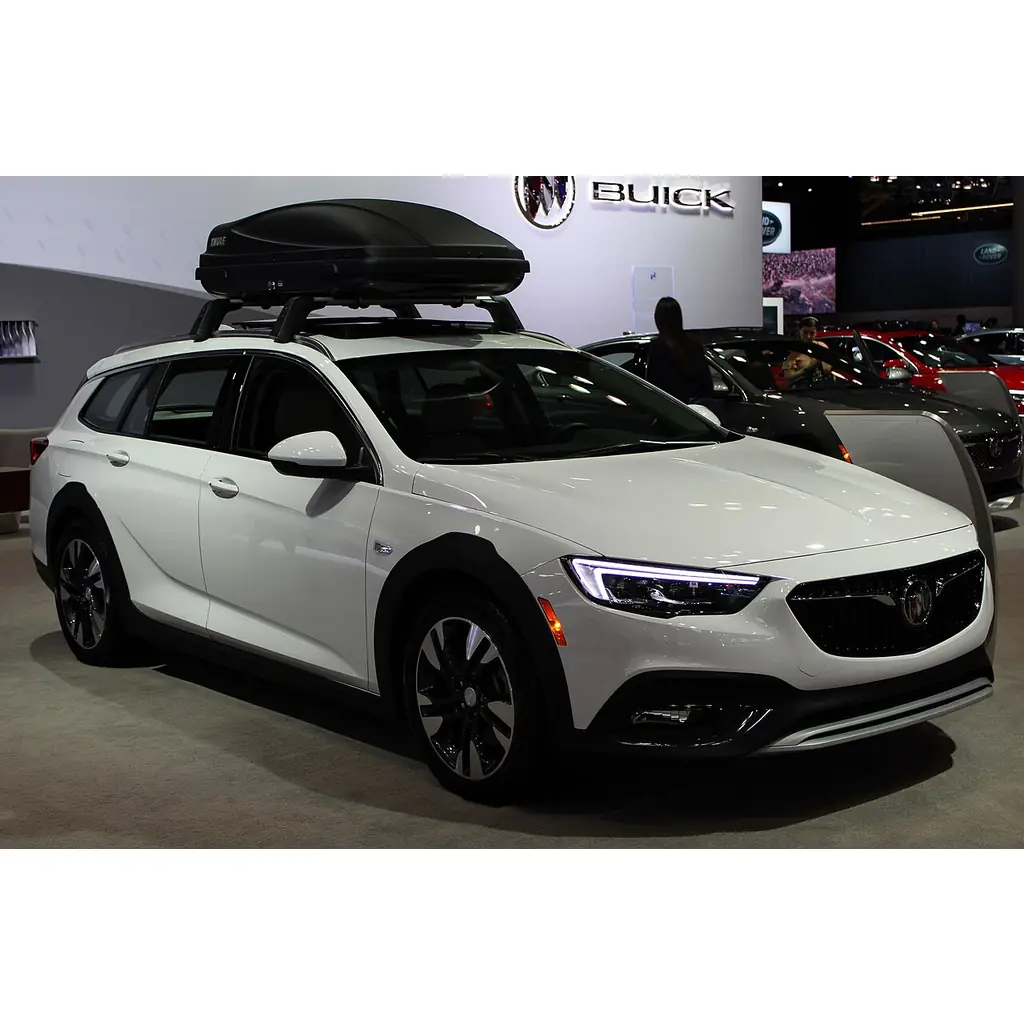
Buick’s 2020 Regal TourX offered something distinct: a 250-horsepower turbocharged wagon with all-wheel drive. It gave buyers carrying luggage or outdoor gear an alternative to the usual crossover shape.
The Regal family ended in North America after 2020 as Buick concentrated on SUVs. That removed a useful kind of variety, even if the decision made business sense. Another crossover cannot automatically replace what a wagon buyer valued.
Modern Buicks still offer useful equipment, including wireless phone projection in the 2026 Envista. Buyers weighing a used TourX against other practical cars can also explore the Outback feature guide. Our criticism concerns the missing choice, rather than presumed inferior workmanship.
10. Subaru’s performance range lost the familiar STI step
Model-year scope: March 2022 WRX decision; 2025 WRX tS
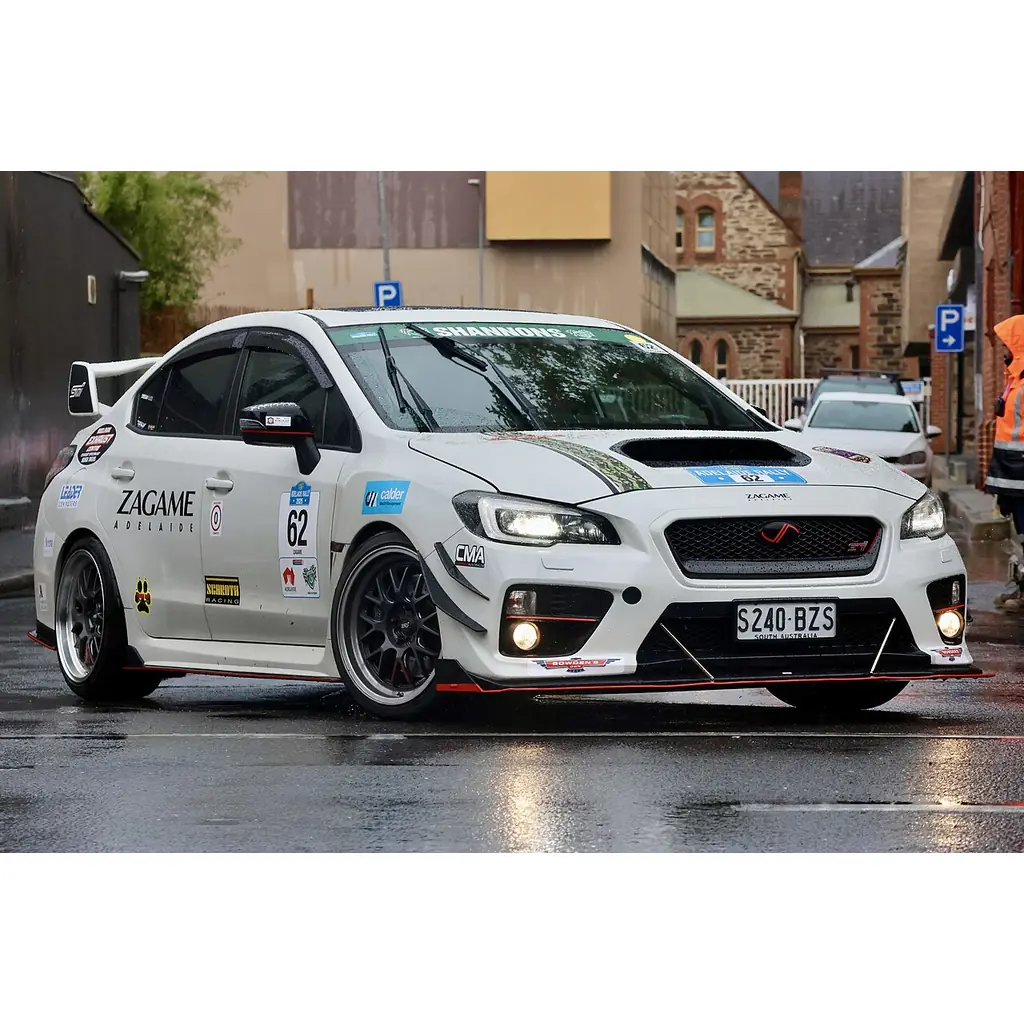
Subaru gave performance buyers a recognizable step beyond the regular WRX with the WRX STI. That distinction mattered to someone who wanted the brand’s specialized rally-inspired sedan.
In March 2022, Subaru announced that the new WRX generation would not receive a conventional STI variant. The 2025 WRX tS adds STI-tuned adjustable suspension and Brembo brakes, but its 271-horsepower engine does not turn it into the missing WRX STI.
A manual WRX still gives enthusiasts a meaningful option. If the older performance cars interest you, the WRX warning-light guide can help identify their dashboard messages. Assess the particular car’s condition and equipment rather than treating an STI badge as a guarantee.
Sources and context
Photo credits and licenses
- 2011 Chrysler 300: MercurySable99, CC BY-SA 4.0. Resized and padded to square; no vehicle details synthesized.
- 2023 Dodge Challenger SRT Demon 170: Xnatedawgx, CC BY-SA 4.0. Resized and padded to square; no vehicle details synthesized.
- Mitsubishi Lancer Evolution X MR: XD4rkxL1ghtx, CC BY-SA 3.0. Resized and padded to square; no vehicle details synthesized.
- Jaguar F-Type ZP Edition, photographed in 2024: Matti Blume, CC BY-SA 4.0. Resized and padded to square; no vehicle details synthesized.
- 2019 Ford Fusion Titanium Energi: Kevauto, CC BY-SA 4.0. Resized and padded to square; no vehicle details synthesized.
- Mercedes-Benz S-Class, W223 generation: Alexander-93, CC BY-SA 4.0. Resized and padded to square; no vehicle details synthesized.
- 2024 Chevrolet Equinox EV 2LT: Elise240SX, CC BY-SA 4.0. Resized and padded to square; no vehicle details synthesized.
- Cadillac CT5-V Blackwing: Damian B Oh, CC BY-SA 4.0. Resized and padded to square; no vehicle details synthesized.
- 2019 Buick Regal TourX: Kevauto, CC BY-SA 4.0. Resized and padded to square; no vehicle details synthesized.
- Subaru WRX STI, VA generation: Yu Chu Chin, CC BY 4.0. Resized and padded to square; no vehicle details synthesized.