

Opinion
Editor’s note: These are editorial judgments about specific truck generations and buyer trade-offs. More
This article uses public manufacturer documents and recall information. Model years, equipment and individual ownership experiences vary. The author does not claim recent firsthand testing of these trucks. A recall does not establish a model-wide failure rate. Images are for illustration purposes only.
A redesigned truck can gain power and comfort while giving up the detail that made it useful to a particular owner.
These examples focus on specific model years where that trade-off deserves a closer look.
How we chose these entries
Editorial judgments use manufacturer specifications, factory documents and a manufacturer recall remedy hosted by NHTSA, reviewed through November 3, 2026. The lost edge may concern price, body configuration, engine choice or ownership disruption, not an overall ranking of reliability or capability. Pricing compares dated announced nominal US starting MSRPs before delivery and incentives; equipment is not identical and figures are not current transaction quotes. Shared platforms remain separate entries only where the buyer compromise differs. Every entry preserves a material improvement or counterpoint.
1. Toyota Tundra: The early V6 transition demands closer scrutiny
Model-year scope: 2022-2023 non-hybrid
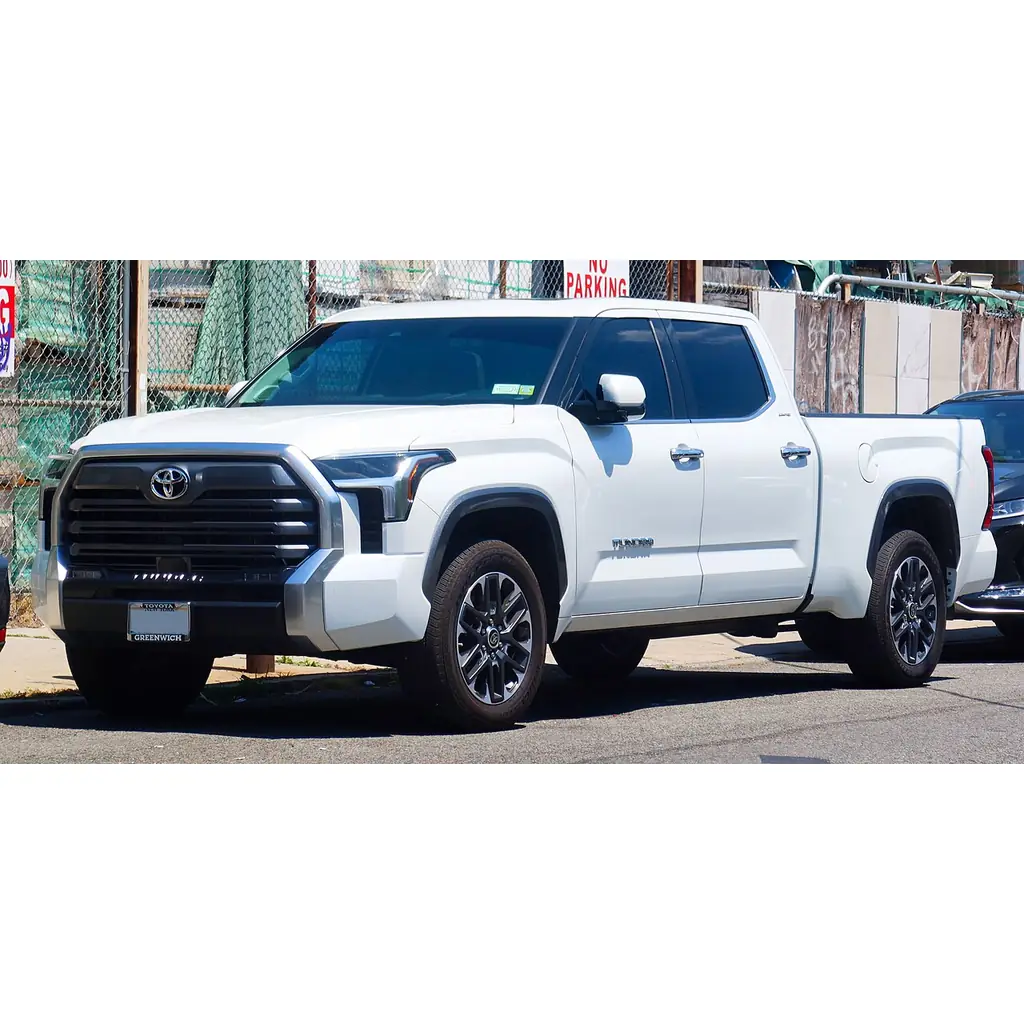
The old Tundra gave returning buyers a familiar formula: a 5.7-liter V8 and six-speed automatic. The 2022 redesign replaced that combination with turbocharged V6 power, adding torque and capability while changing a major part of the truck’s identity.
The more serious compromise concerns certain 2022-2023 non-hybrid trucks covered by Toyota’s engine-debris recall. Toyota’s remedy calls for a free engine-assembly replacement, so the ownership history can include much more than an ordinary service visit.
For a used example, verify its VIN and completed remedy paperwork. That is a specific buying concern, not evidence that every new Tundra will fail or that the older generation was trouble-free.
2. Ram 1500: The 2025 model year interrupted its HEMI identity
Model-year scope: 2025 gasoline lineup;2026counterpoint
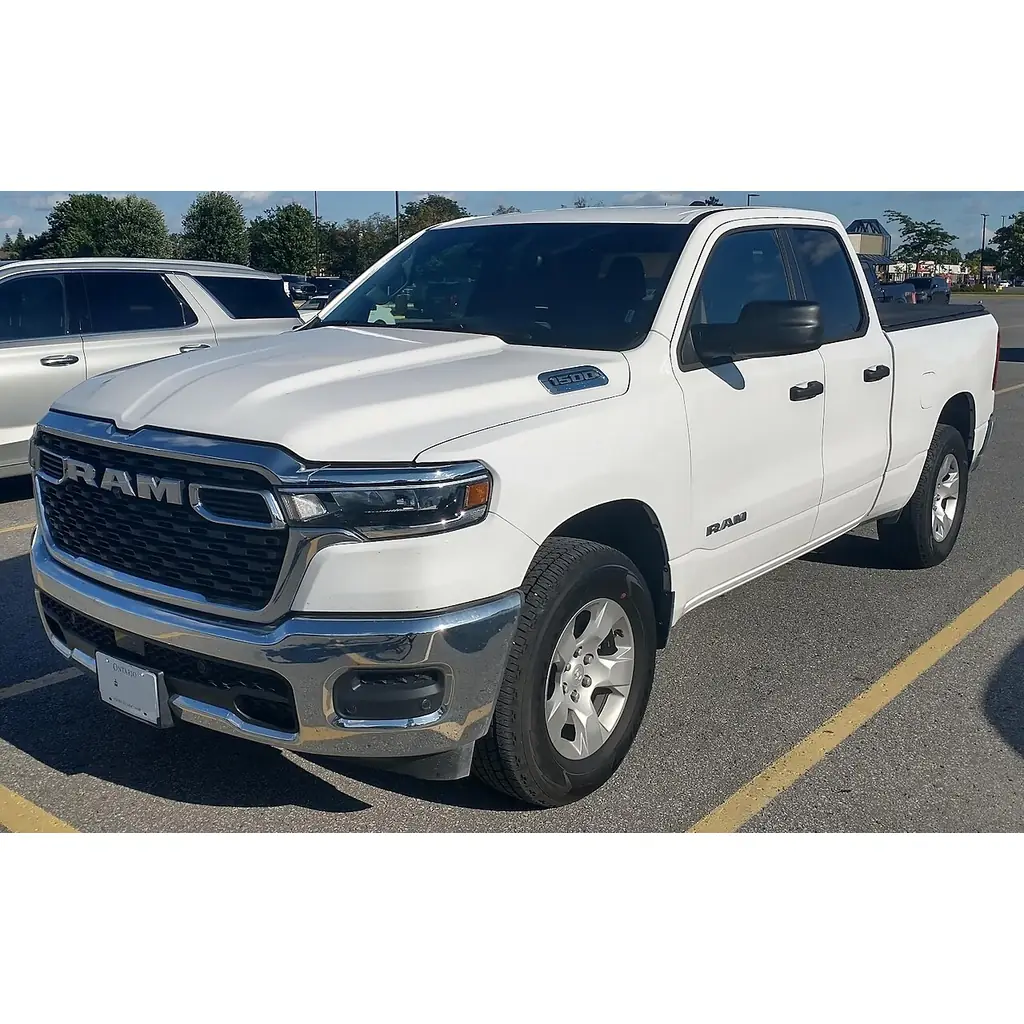
For buyers who associated the Ram 1500 with a HEMI V8, the 2025 lineup changed the shopping decision. Ram moved to six-cylinder engines, including the turbocharged Hurricane, leaving that model year without the familiar V8 choice.
The loss was about engine character and choice, not an automatic performance downgrade. The Hurricane brought substantial output, and a buyer who values its performance may prefer it to the older HEMI.
Ram itself reversed course for 2026, bringing back the 5.7-liter HEMI eTorque with 395 horsepower. A used 2025 truck therefore deserves a model-year-specific comparison rather than a sweeping claim that Ram permanently abandoned the V8.
Sources and context
3. Ford Maverick: The original bargain became harder to repeat
Model-year scope: 2025 launch pricing compared with2022
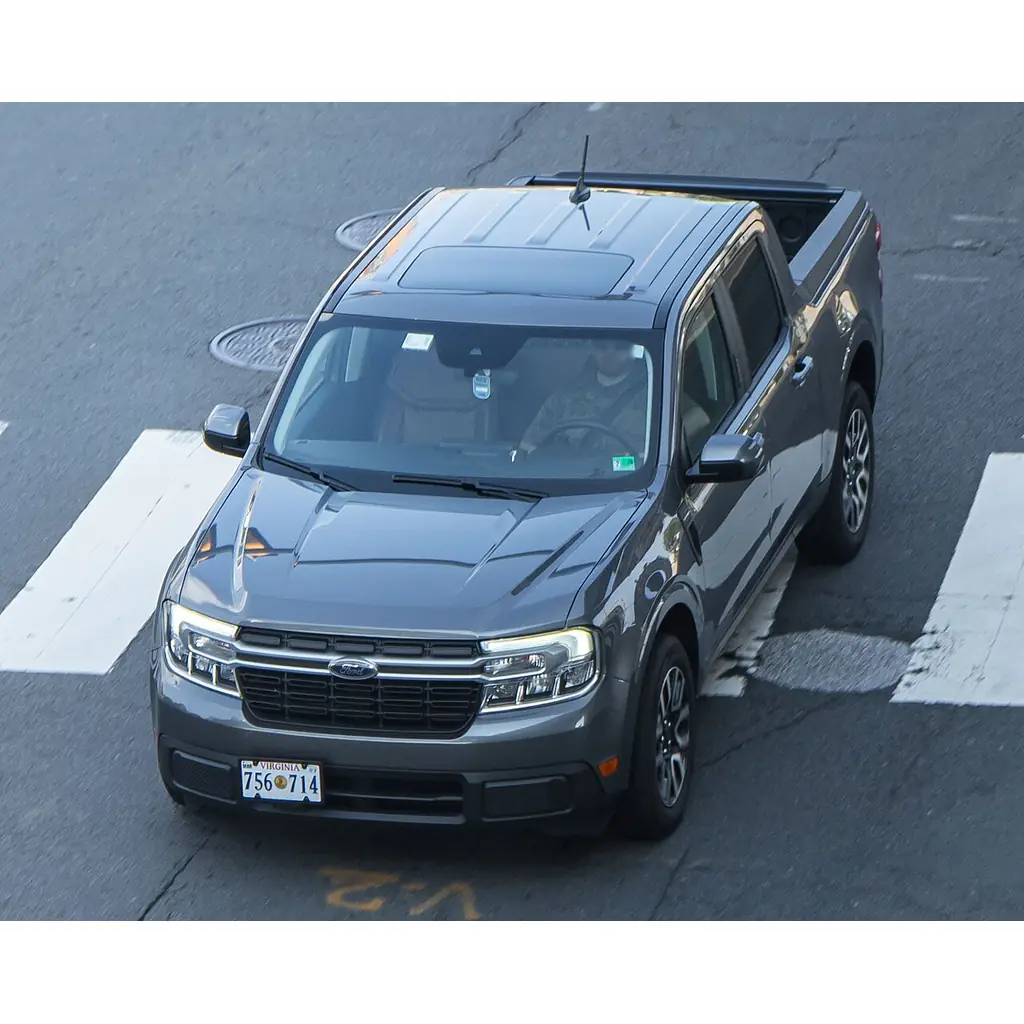
The Maverick’s original appeal was unusually clear: Ford introduced the 2022 truck with a standard hybrid and a starting MSRP of $19,995. A compact bed and modest footprint gave budget shoppers a practical alternative to a larger pickup.
Ford’s 2025 launch announcement put the base front-wheel-drive hybrid at $26,295 before delivery. That $6,300 nominal increase weakens the original affordability pitch, even though these are dated starting prices rather than identical equipment packages or inflation-adjusted costs.
The newer truck added useful improvements, including an available all-wheel-drive hybrid and upgraded towing options. The value judgment depends on whether those additions solve a real problem for your household.
4. Ford Ranger: More family-friendly, with less bed choice
Model-year scope: 2024 US redesign
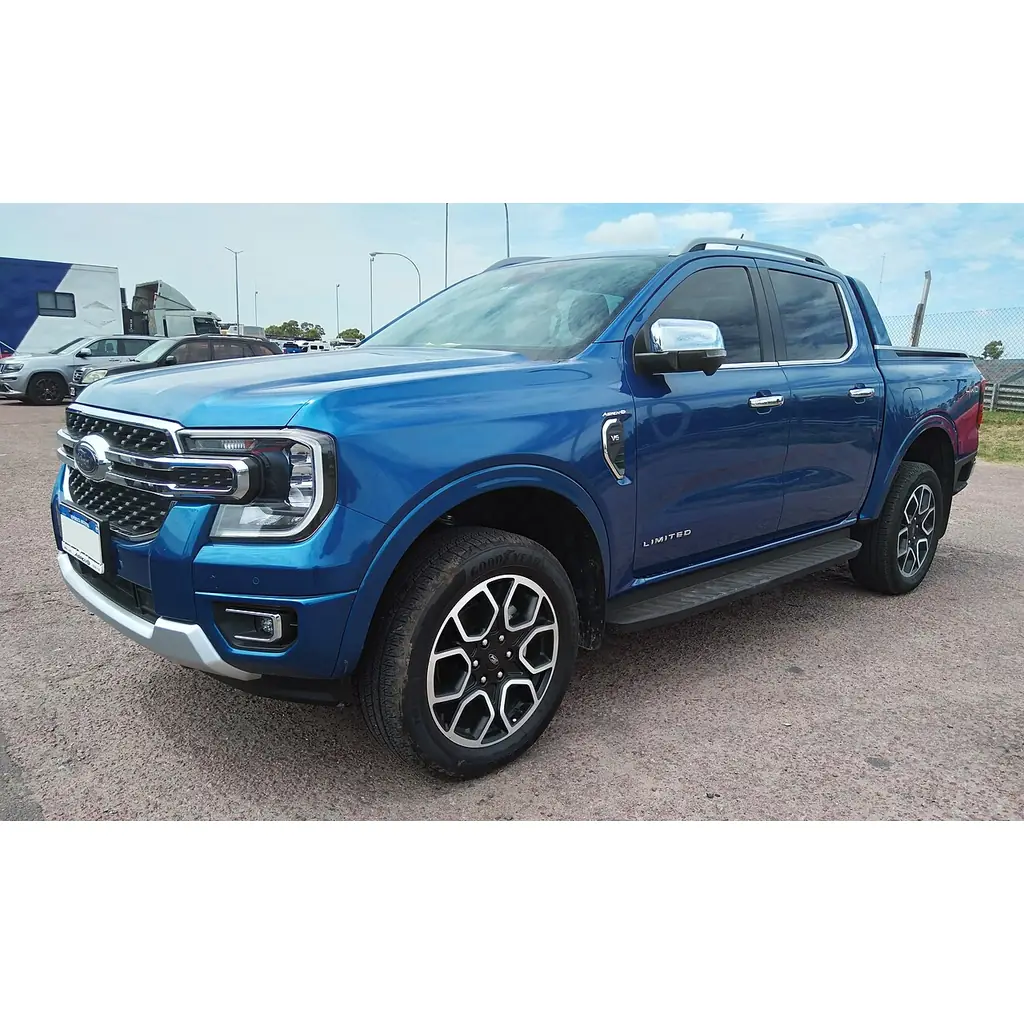
The previous US Ranger let buyers choose a SuperCab with a six-foot box, a useful arrangement when tools or camping gear mattered more than a full rear bench. The 2024 redesign narrowed that choice to a SuperCrew.
Ford’s 2024 specifications list a 59.6-inch cargo floor. Someone replacing an older long-bed Ranger cannot simply select the newer equivalent, even if the familiar model name makes that seem likely.
The redesign also offers 48.2 inches between the wheelhouses and a stronger V6 option. Those are useful features, but a customer carrying long equipment needs to measure the load before deciding the newer truck is a direct upgrade.
5. Toyota Tacoma XtraCab: Useful storage replaced occasional seats
Model-year scope: 2024; compared with2023 Access Cab
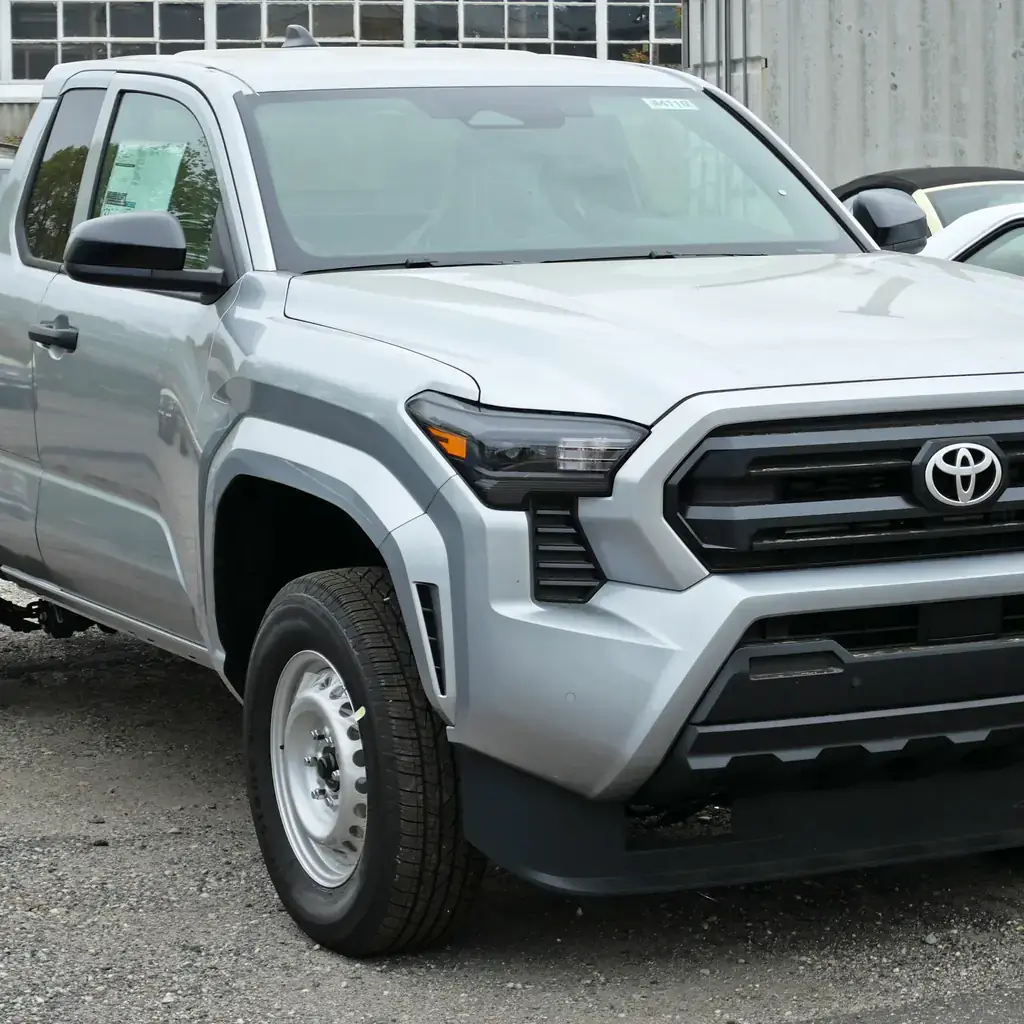
The older Tacoma Access Cab could carry four people, although the rear seats were never a substitute for a spacious family cabin. That flexibility still mattered to owners who occasionally needed another seating position while retaining the longer bed.
The 2024 XtraCab makes a firmer choice: two seats, no rear doors and a six-foot bed. Toyota replaced the rear seating area with dedicated storage and added a fold-flat passenger seat.
That can suit a solo tradesperson extremely well. For another buyer, our look at older Toyota truck features highlights why a small ownership convenience can matter more than a redesign’s headline improvements.
Sources and context
6. Chevrolet Colorado: A stronger redesign left long-bed owners behind
Model-year scope: 2023 redesign
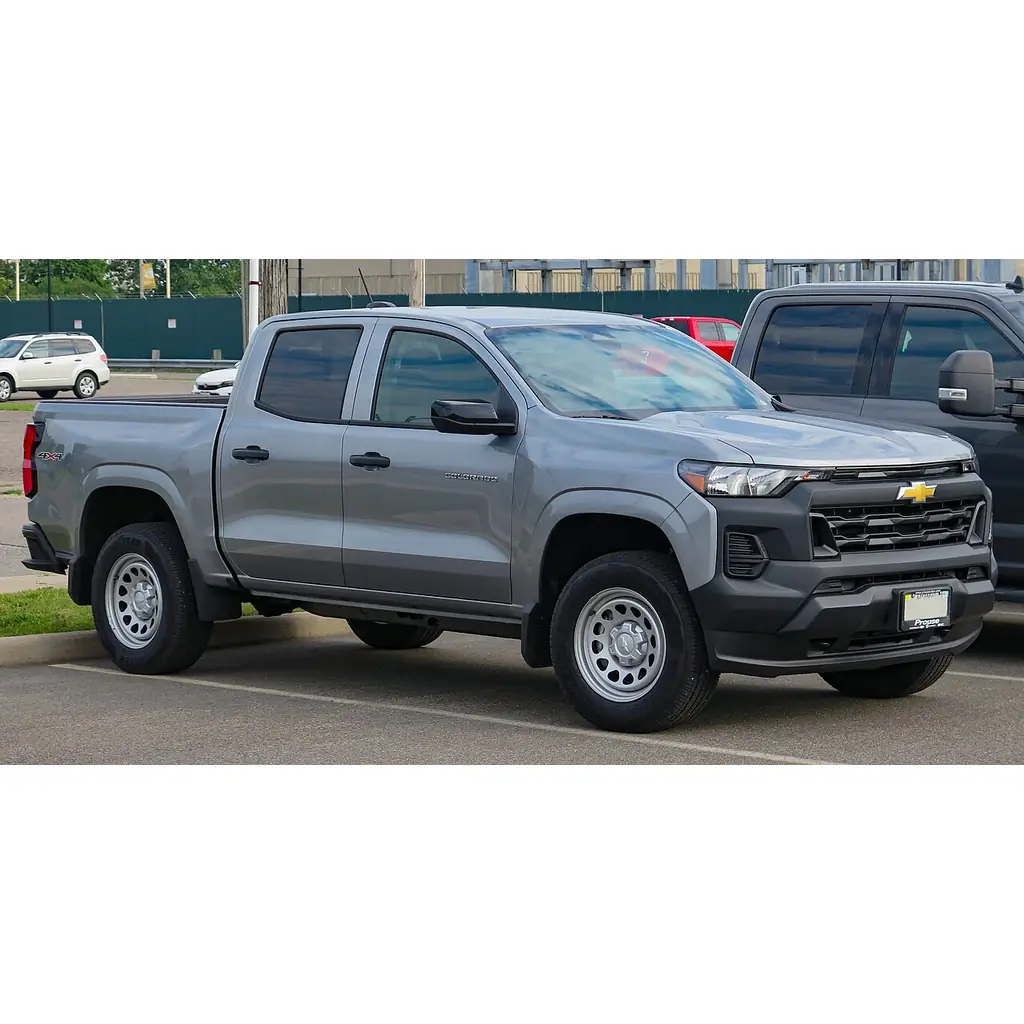
The previous Colorado offered both an Extended Cab and a Crew Cab long-box configuration. Chevrolet’s 2022 commercial brochure lists a 74-inch bed floor for those arrangements, giving buyers a midsize alternative for longer loads.
The 2023 redesign consolidated the truck around one cab configuration and wheelbase. Its more versatile tailgate and storage features do not recreate the missing long-box choice when the job requires cargo to sit inside a closed bed.
The newer engines also delivered stronger torque. Our Colorado storage and towing guide can help buyers assess those gains without overlooking the simpler question of whether their usual equipment will fit.
7. GMC Canyon: The whole range moved toward off-road duty
Model-year scope: 2023 redesign, particularly Elevation
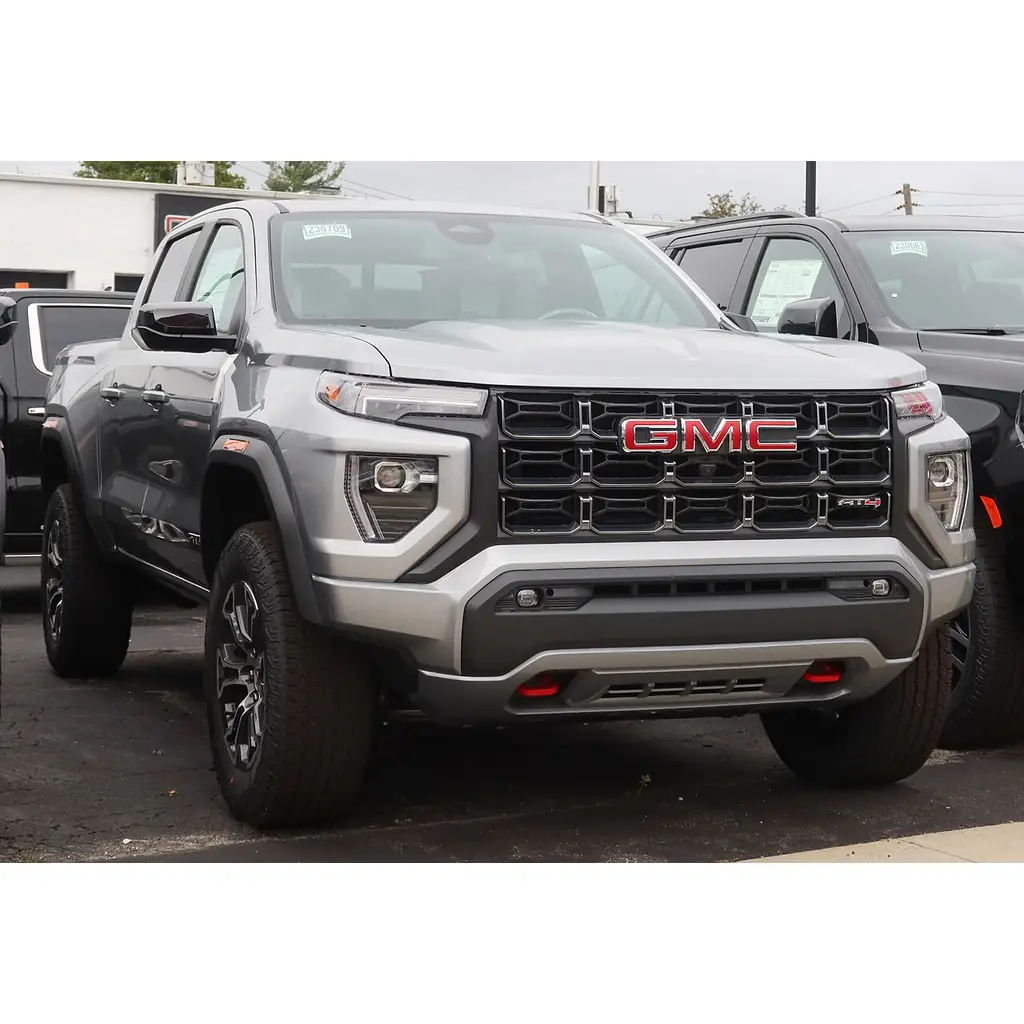
The Canyon used to offer a broader route into midsize truck ownership, with different engine choices and less emphasis on building every version around an off-road stance. That made the nameplate relevant beyond buyers seeking a trail-focused pickup.
For 2023, GMC made an off-road suspension standard across the range. Elevation, AT4 and Denali received a two-inch factory lift, while AT4X went higher. A shopper who simply wants an uncomplicated loading height now has less choice within the lineup.
The standard turbo engine’s torque is a benefit. Our older Chevrolet feature guide explores everyday utility priorities; decide whether extra clearance is useful before treating it as an automatic improvement.
8. Ram 2500: The manual diesel buyer lost a factory option
Model-year scope: 2019 redesign compared with2018
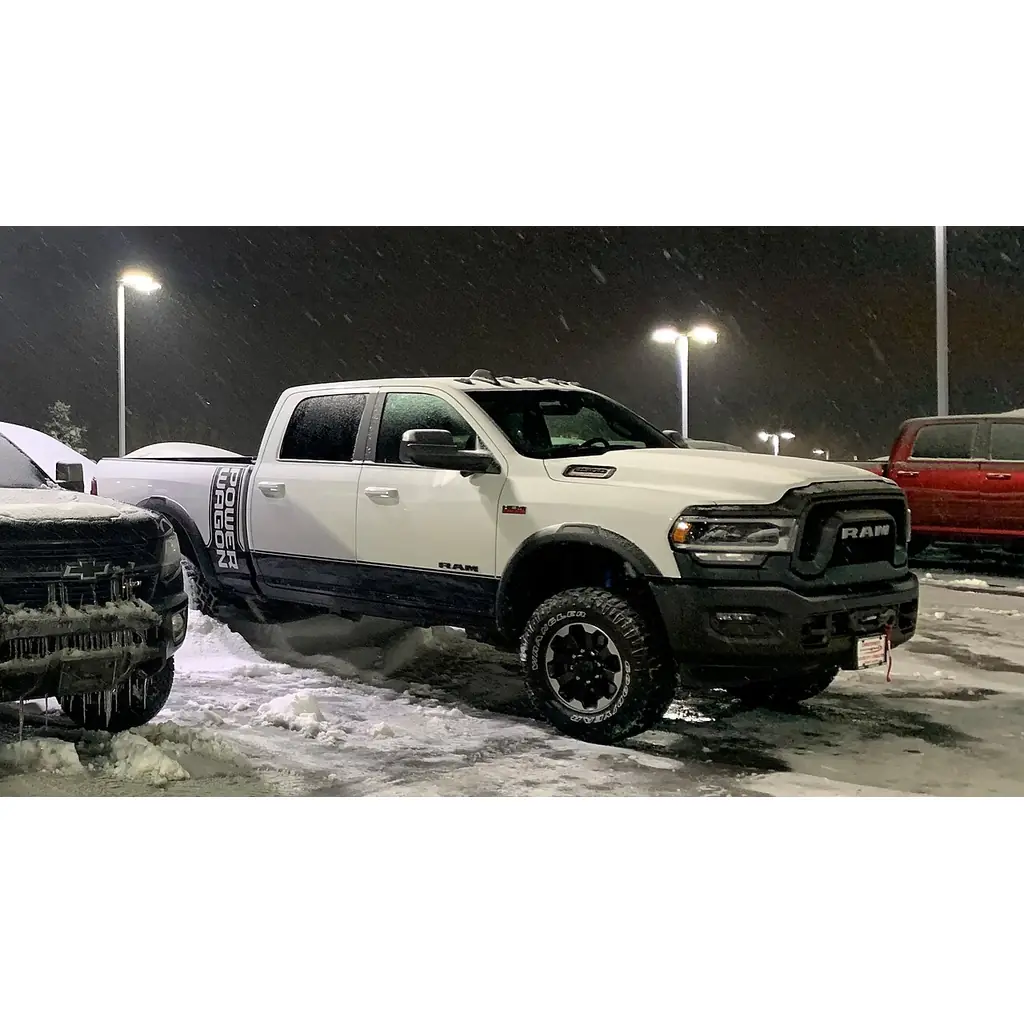
The Ram 2500 once offered something unusual among heavy-duty pickups: a Cummins diesel paired with a six-speed manual. For a buyer who wanted direct control of gear selection and a clutch pedal, that was a concrete reason to choose the truck.
The 2019 lineup moved to automatic transmissions. The diesel remained, with substantial torque, but the specific combination that served that buyer disappeared.
That does not make the automatic less durable or less capable. It makes the newer truck a different purchase for a manual enthusiast, while our Ram storage and tailgate guide covers practical improvements worth considering alongside the missing transmission choice.
Sources and context
9. Jeep Gladiator: The clutch pedal became another used-truck search
Model-year scope: 2025 automatic-only lineup
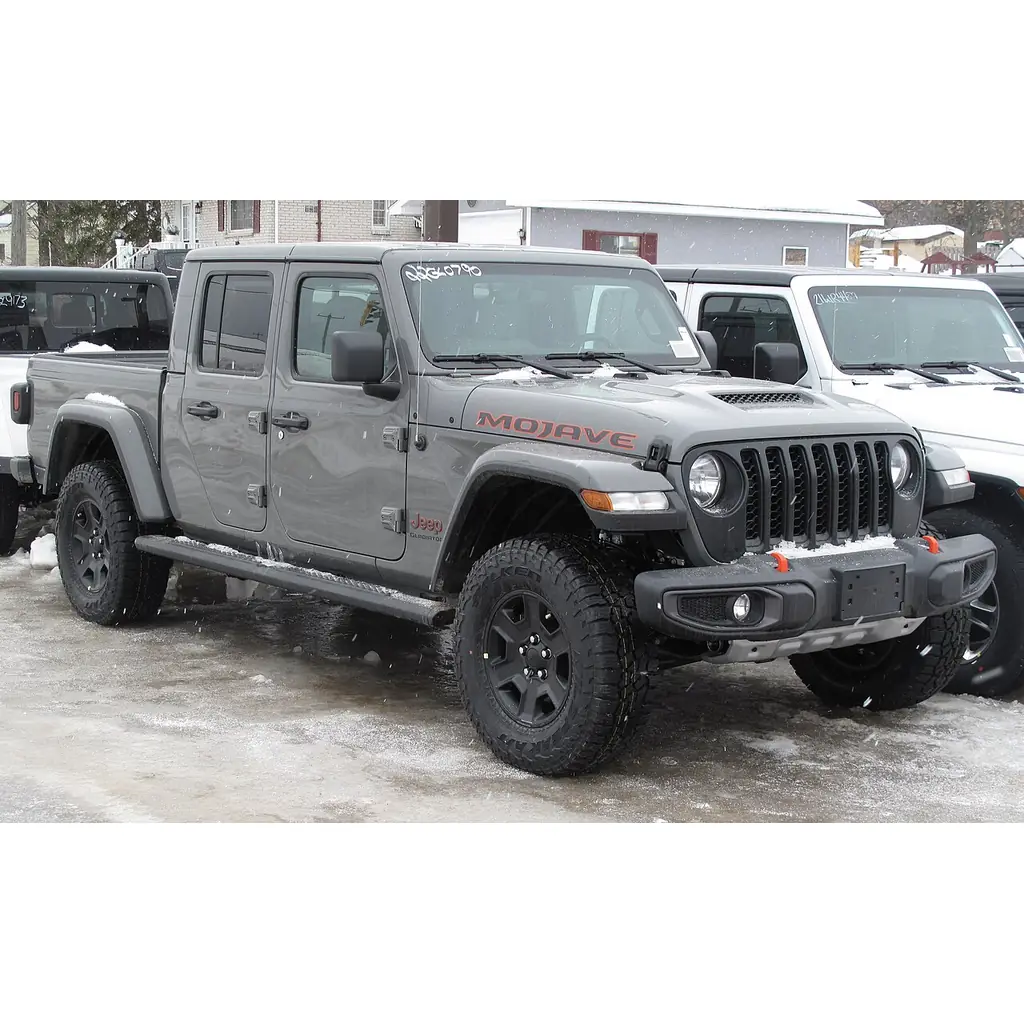
The Gladiator brought pickup utility to a Jeep with removable doors and roof panels, and the manual transmission reinforced that hands-on appeal. Jeep still offered a standard six-speed manual for 2024, alongside an optional automatic.
For 2025, the eight-speed automatic became the exclusive transmission. Buyers who want the particular experience of a manual open-air pickup must now look at earlier model years rather than order that combination new from the 2025 range.
The automatic is not a loss of every off-road advantage, and standard power windows and locks improve convenience. Our older Jeep features article examines why some buyers still value the more mechanical parts of that experience.
Sources and context
10. Nissan Titan XD: Its distinctive diesel proposition disappeared
Model-year scope: 2020 gas-only refresh compared with2019 diesel
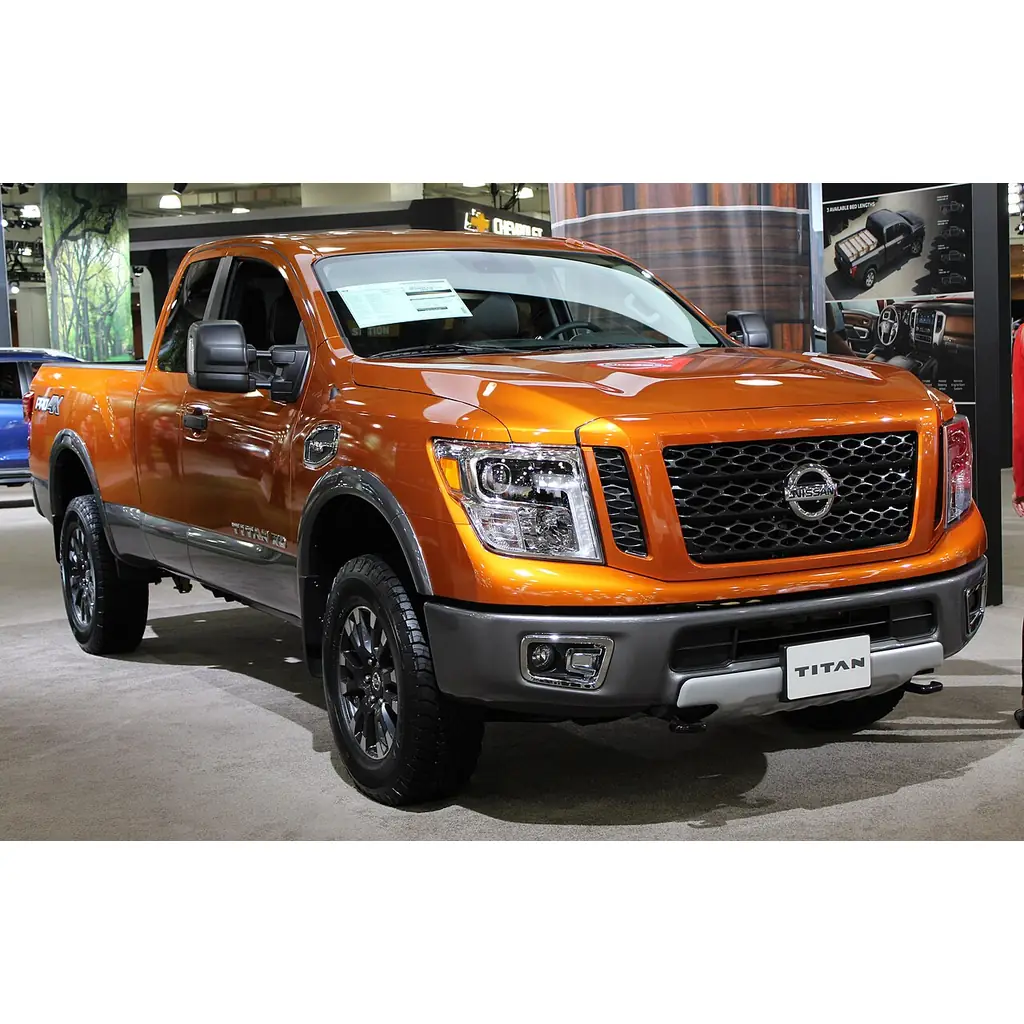
The Titan XD originally stood apart through its combination of a heavier-duty chassis and an available 5.0-liter Cummins diesel. Buyers looking beyond the usual half-ton formula had a specific reason to consider Nissan’s unusual middle-ground truck.
The 2020 refresh retained the XD’s reinforced frame and 6.5-foot bed but no longer offered that diesel. A gasoline V8 and nine-speed automatic became the route forward, reducing the difference that had made the XD interesting to a diesel shopper.
The updated gas engine gained output, reaching 400 horsepower. Its merits deserve a fair comparison, but someone seeking the original Cummins configuration needs a used example and its own careful service-history review.
11. Ford F-150 Raptor: The second generation traded away V8 character
Model-year scope: 2017-2020 second generation;2023Rcounterpoint
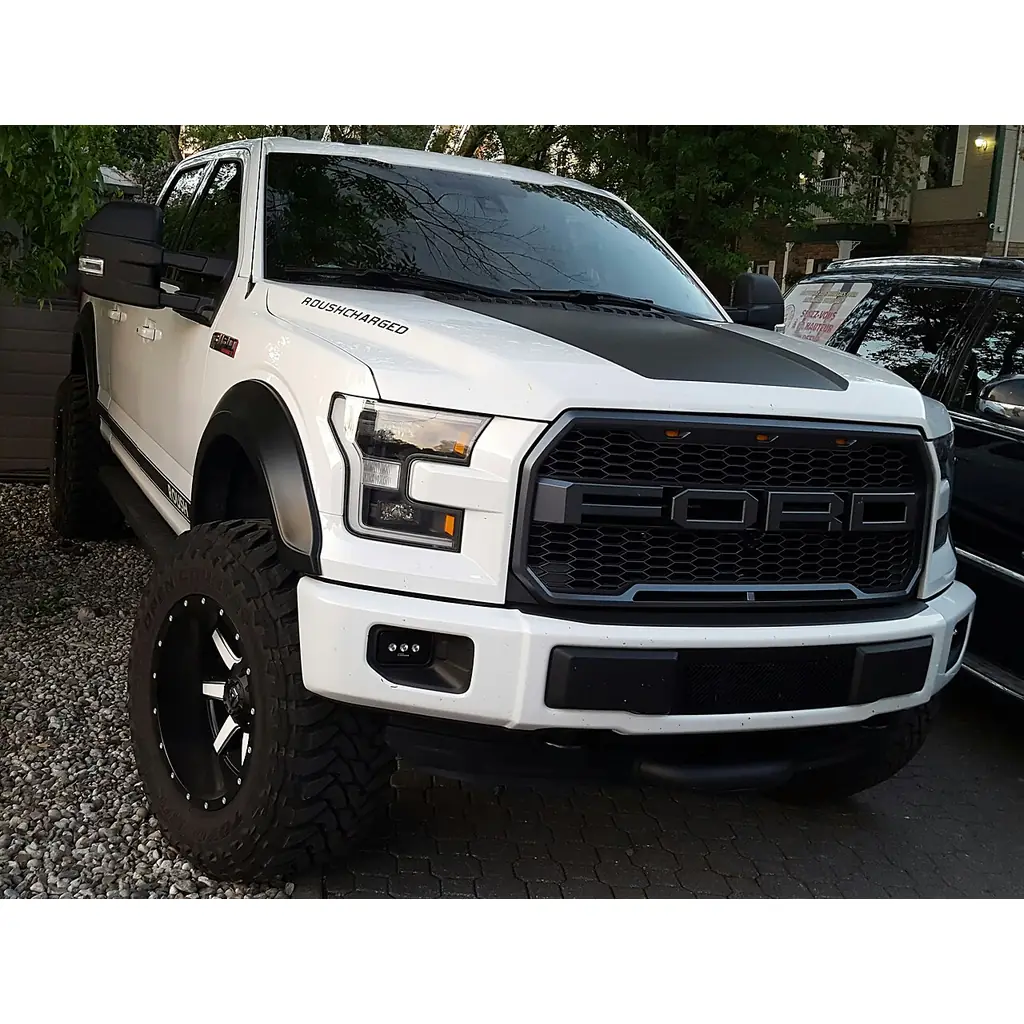
The first Raptor’s 6.2-liter V8 was part of its appeal for people who wanted their off-road truck to retain a big-engine personality. The 2017 replacement switched to a high-output twin-turbo 3.5-liter V6.
By Ford’s numbers, the newer engine improved horsepower, torque and combined fuel economy. Calling that a performance decline would miss the evidence. The narrower criticism is that buyers who preferred a naturally aspirated V8 could no longer choose one in that generation.
Ford eventually restored a V8 through the 2023 Raptor R. Our Ford pickup feature guide provides another reminder to compare the exact generation and specification rather than rely on the badge alone.
Sources and context
12. Ford F-150 Lightning Pro: The work-truck price promise moved upward
Model-year scope: 2024 announced pricing compared with2022 launch
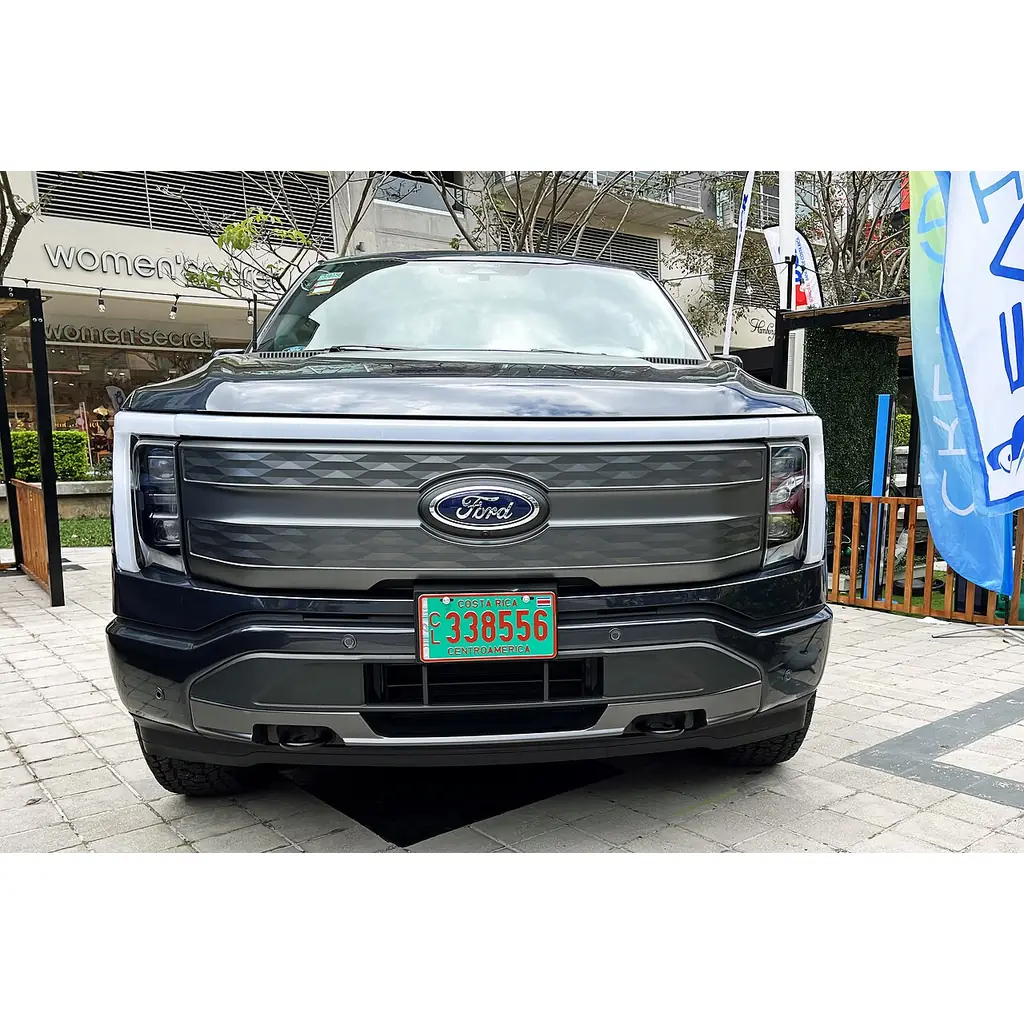
The original Lightning Pro made an electric work truck sound unusually attainable. Ford announced the 2022 standard-range model at $39,974 before incentives and delivery, giving small businesses a clear starting point for considering the switch.
By Ford’s October 2023 announcement for the 2024 range, the Pro’s stated starting price was $49,995. Those dated nominal MSRPs show how the original budget proposition weakened; they are not today’s used prices or a claim about what every buyer paid.
The 2024 truck also gained a heat pump and other updates. Charging arrangements, the specific truck’s price and any available incentives need a fresh comparison before deciding whether the newer package still makes sense.
Photo credits and licenses
- 2022 Toyota Tundra CrewMax Limited: Kevauto, CC BY-SA 4.0. Resized and padded to square; no vehicle details synthesized.
- 2025 Ram 1500: Ontariocarguy07, CC0. Resized and padded to square; no vehicle details synthesized.
- Ford Maverick, first generation: OWS Photography, CC BY 4.0. Resized and padded to square; no vehicle details synthesized.
- 2024 Ford Ranger V6 Limited, Argentine-market crew cab shown for generation context: Just a Man, CC BY 4.0. Resized and padded to square; no vehicle details synthesized.
- 2025 Toyota Tacoma SR XtraCab: Kevauto, CC BY-SA 4.0. Resized and padded to square; no vehicle details synthesized.
- 2023 Chevrolet Colorado WT 4WD: Elise240SX, CC BY-SA 4.0. Resized and padded to square; no vehicle details synthesized.
- 2023 GMC Canyon AT4: Kevauto, CC BY-SA 4.0. Resized and padded to square; no vehicle details synthesized.
- 2019 Ram 2500 Power Wagon; gasoline trim shown for generation context: Elbarto6969, CC BY-SA 4.0. Resized and padded to square; no vehicle details synthesized.
- 2022 Jeep Gladiator Mojave: Elise240SX, CC BY-SA 4.0. Resized and padded to square; no vehicle details synthesized.
- 2019 Nissan Titan XD PRO-4X: Kevauto, CC BY-SA 4.0. Resized and padded to square; no vehicle details synthesized.
- 2017 Ford F-150 Raptor Crew Cab: Bull-Doser, Public domain. Resized and padded to square; no vehicle details synthesized.
- Ford F-150 Lightning, photographed in 2023: Mariordo (Mario Roberto Durán Ortiz), CC BY-SA 4.0. Resized and padded to square; no vehicle details synthesized.