

Editor’s note: This is an editorial selection.
Older Fords had some unusually specific answers to everyday needs. These features show how much personality could fit into a roof, a rear door or a small piece of cabin hardware.
1. The Thunderbird steering wheel moved out of your way
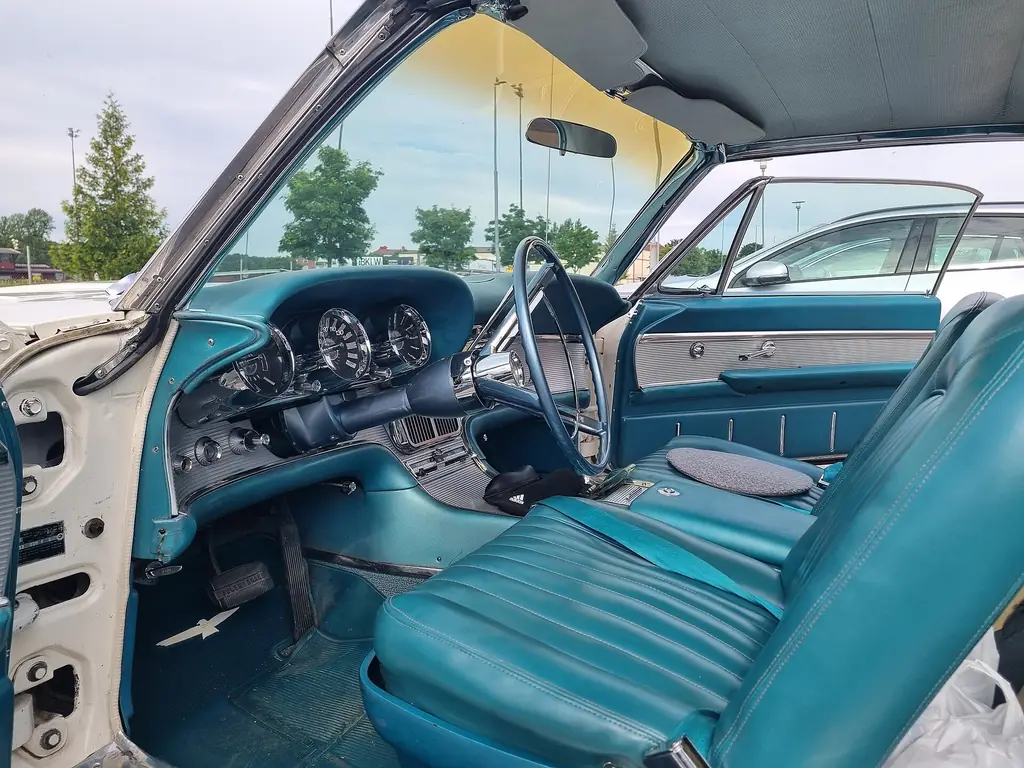
The 1961 Thunderbird offered a steering wheel that moved roughly ten inches to the right. Ford called it Swing-Away, and the extra clearance helped a driver get past the wheel when entering or leaving the seat.
A moving steering column is a memorable answer to a cramped doorway.
This was specific equipment, not a feature on every old Ford. The wheel had to lock back into its driving position.
2. The Skyliner folded a steel roof into the trunk
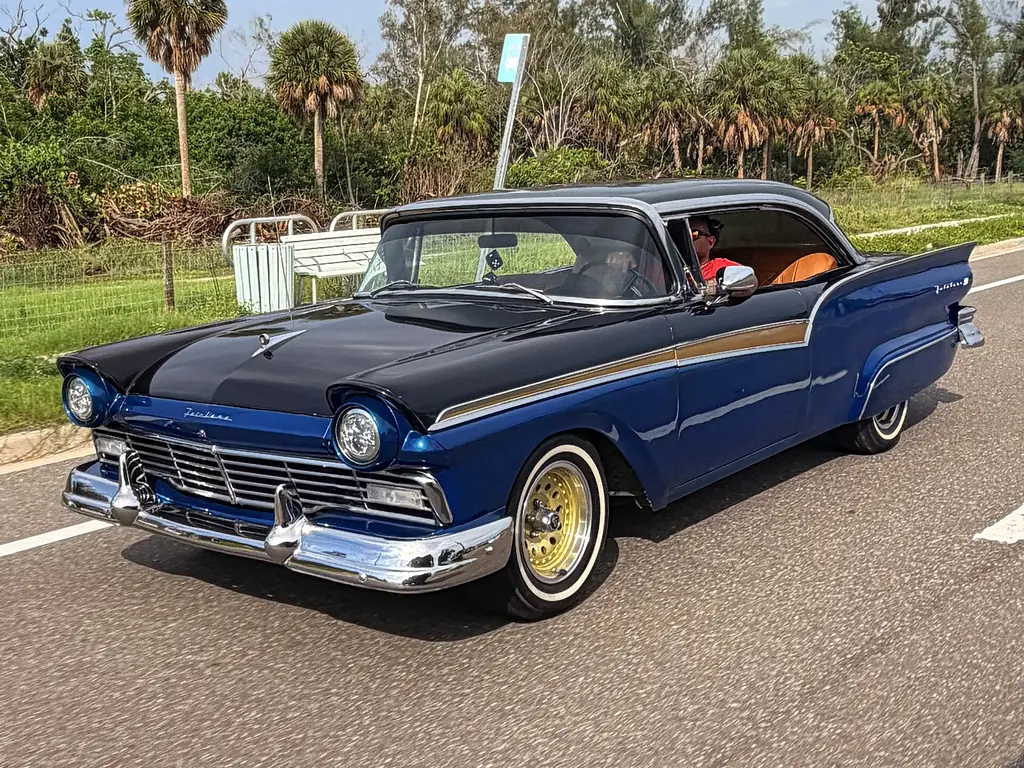
Ford built the retractable-hardtop Skyliner for the 1957 through 1959 model years. Its metal roof could fold into the rear of the car, turning a closed car into an open one without a loose roof panel.
Watching the mechanism work is part of the appeal today.
That complexity also matters to an owner. A functioning roof needs more attention than a fixed top, and the storage arrangement limits luggage space.
3. The Magic Doorgate opened two different ways
The 1967 Ford wagon brochure showed a rear door that could swing sideways for people or lower like a pickup tailgate for cargo. Ford called the arrangement the Magic Doorgate.
A family could use the same opening for different jobs, rather than climb over a raised tailgate.
The operating sequence matters on an actual car. This early version required the rear glass to be lowered before the gate opened.
4. Some wagons had seats facing each other in the back
Certain 1967 Country Squire and Country Sedan wagons had two rear seats facing toward each other across the cargo compartment. The brochure presented them as extra passenger space for a large family.
The layout made the rear of the wagon feel like a separate little room.
It was a model-specific option, so the arrangement depended on the wagon ordered. Facing seats changed the view for people riding at the back.
5. Woodgrain made the Country Squire easy to recognize
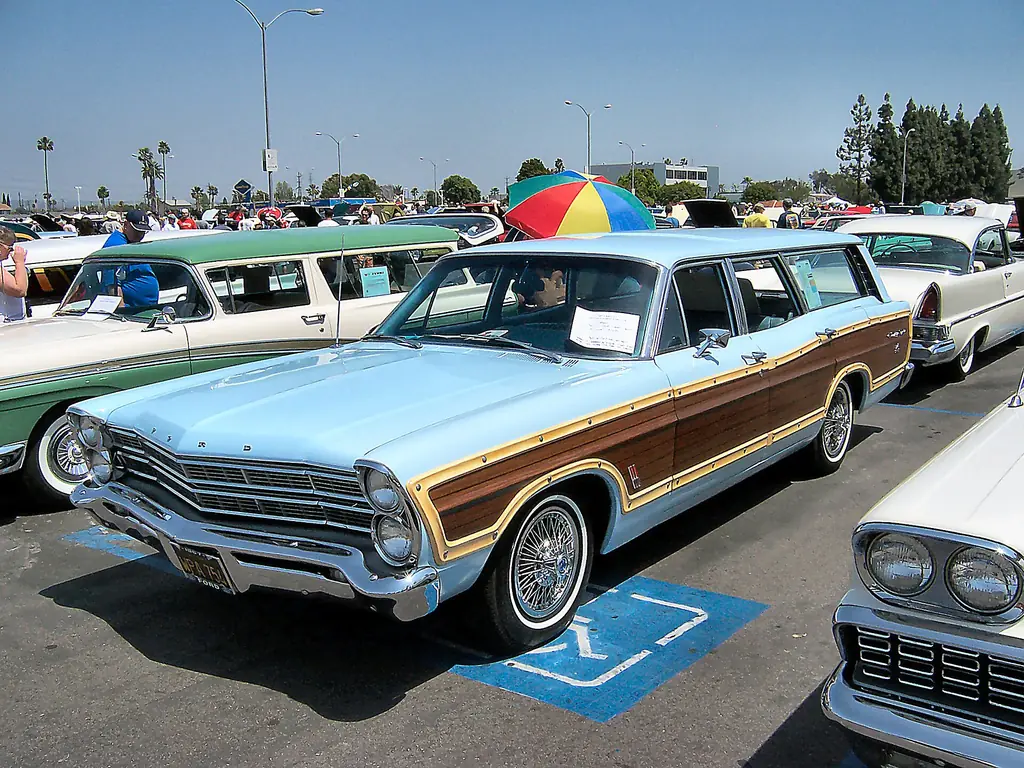
The Country Squire wore simulated wood trim along its sides. The material was decorative rather than structural, but it gave a family wagon a recognizable identity among ordinary painted cars.
Those broad panels gave an everyday grocery hauler the familiar appearance of a family road-trip wagon.
The appeal is visual. Our Bronco feature guide shows how Ford still uses distinctive equipment and styling to give different vehicles their own character.
6. The Mustang fastback rear seat folded for luggage
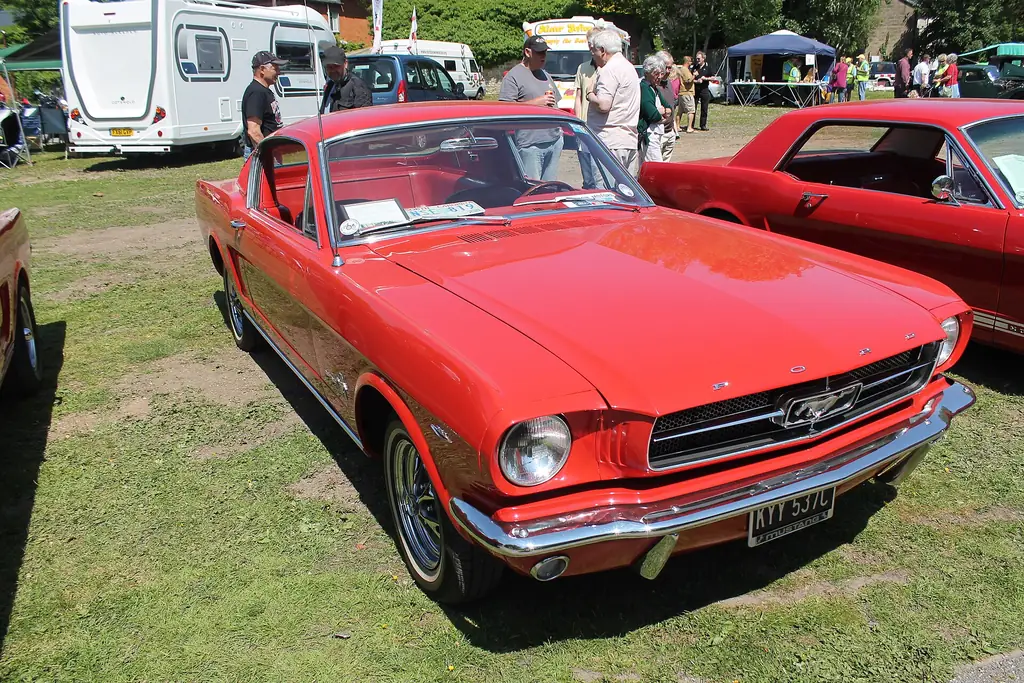
The 1965 Mustang Fastback 2+2 had a folding rear seat that extended its usable luggage area. Ford illustrated the feature with long items carried behind the front seats.
A compact sporty car could still make room for something awkward to bring home.
Folding seats remain common, but this fastback arrangement has its own charm. The Honda Pilot seating guide covers a newer approach to choosing between passengers and cargo.
7. Fastback louvers also handled cabin ventilation
The louvers in the rear roof quarters of the 1965 Mustang Fastback 2+2 were more than a styling pattern. Ford described them as part of its Silent-Flo ventilation system.
They gave cabin air a path out while the windows stayed closed.
The vents were part of the bodywork, so their role could be overlooked. Our guide to car buttons and settings explores other easily missed functions inside a car.
8. Rally-Pac put two small instruments beside the column
The 1965 Mustang brochure listed Rally-Pac among its optional accessories. The paired clock and tachometer sat together near the steering column, giving the driver two distinct little instrument faces to glance at.
The separate pods are part of the early Mustang cabin’s appeal.
The clock and tachometer were separate instruments with different jobs: one kept time, while the other let the driver follow engine speed.
9. The first Bronco had a folding windshield
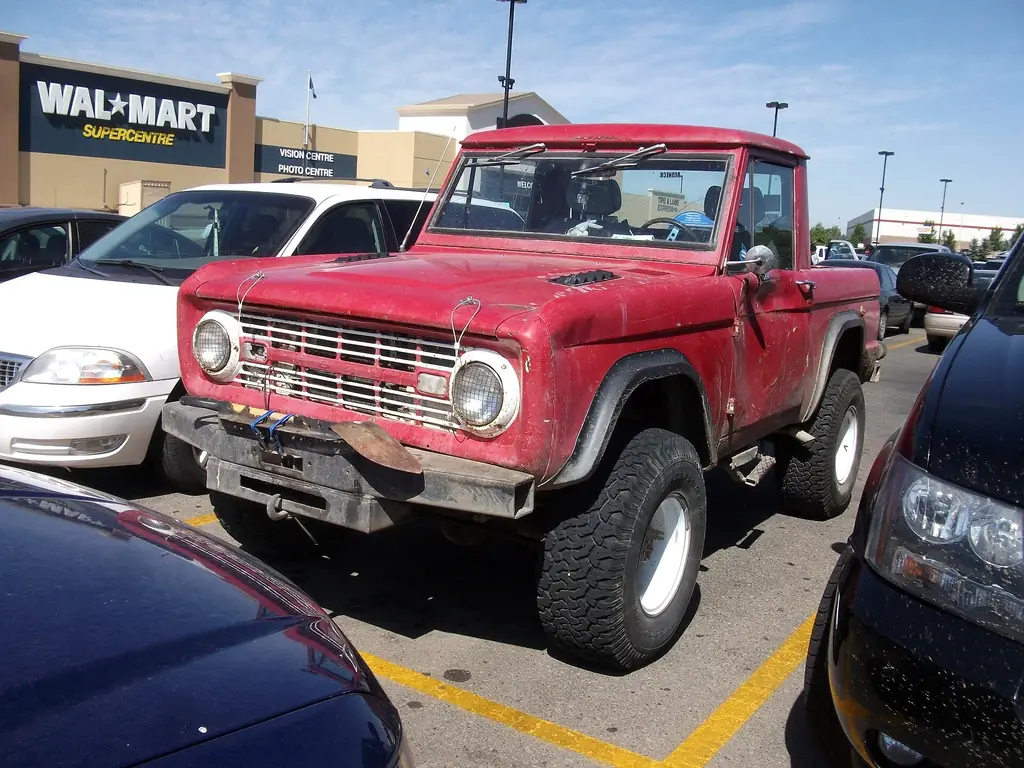
Ford’s original 1966 Bronco announcement described the Roadster windshield folding flat and securing to the hood. That helped create a very open vehicle for its intended outdoor use.
The feature made the cabin feel closer to a simple utility machine than a closed family car.
Open-air equipment did not disappear from the market. Our Jeep Wrangler guide covers another vehicle with its own model-specific roof and windshield procedures.
10. The Bronco Roadster started without a conventional enclosed body
The 1966 Bronco came in three body styles, including a Roadster without the enclosed roof and doors of the wagon. Ford offered additional weather equipment, including a vinyl top and doors.
The basic configuration made its purpose unusually clear before anyone started the engine.
The Roadster was one of several Bronco bodies. Our Grand Cherokee guide looks at an enclosed cabin and another way to arrange a vehicle.
11. Camper Special trucks were configured around a real task
Ford’s 1965 recreation brochure listed Camper Special packages for F-100 and F-250 pickups. Depending on the configuration, equipment included heavier springs, additional cooling and mirrors suited to the camper body.
The package matched additional equipment to the job of carrying a camper.
Camper Special equipment varied with the truck configuration, giving buyers options suited to different camper bodies. Our Ford truck feature guide looks at features in newer pickups.
12. StudioSonic added a physical reverberator to the radio
Ford advertised StudioSonic in its 1965 recreation brochure as a radio upgrade that delayed sound through a rear-speaker reverberator. The system tried to make an ordinary cabin sound more spacious.
It is a reminder that car-audio experiments existed long before digital sound menus.
Its appeal today lies in the period hardware and the way Ford tried to change the sound inside the car. Availability depended on the accessories ordered.
Sources and model-year references
Sources & photo credits
Photo credits Photographers, sources and licences
Other photography
- 1961 Ford Thunderbird interior with the Swing-Away steering column by Dalruwa; CC BY-SA 4.0. Resized and converted to WebP. Original photo license applies.
- 1957 Ford Fairlane 500 Skyliner with its steel roof closed by dixe7; CC0. Resized and converted to WebP. Original photo license applies.
- 1967 Ford Country Squire with simulated woodgrain sides by ; CC BY-SA 3.0. Resized and converted to WebP. Original photo license applies.
Other photography
- 1965 Ford Mustang fastback, exterior context by Charlie from United Kingdom; CC BY 2.0. Resized and converted to WebP. Original photo license applies.
- 1966 Ford Bronco, exterior context by dave_7 from Lethbridge, Canada; CC BY 2.0. Resized and converted to WebP. Original photo license applies.